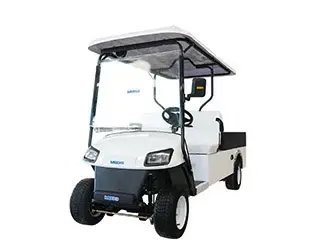
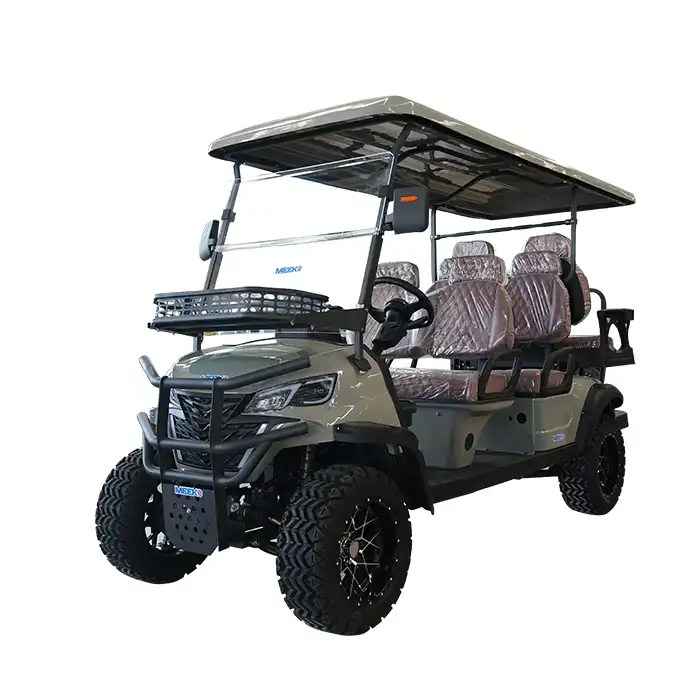
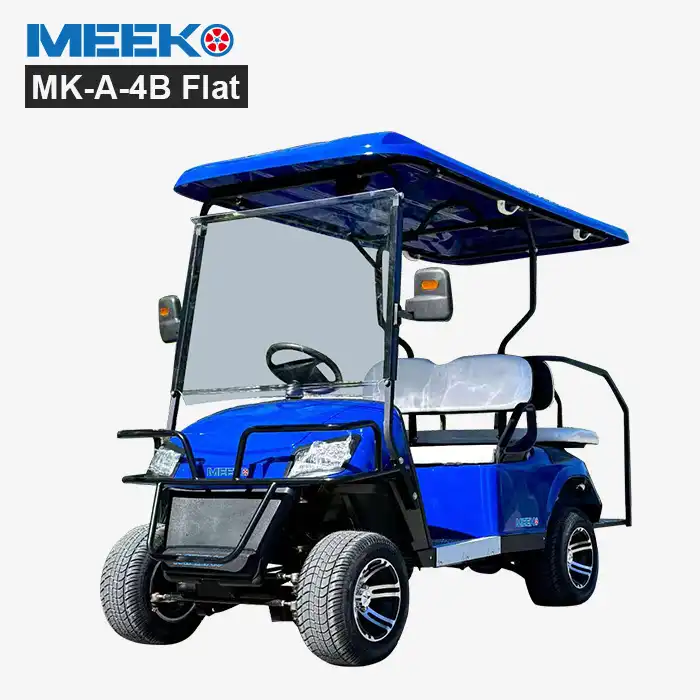
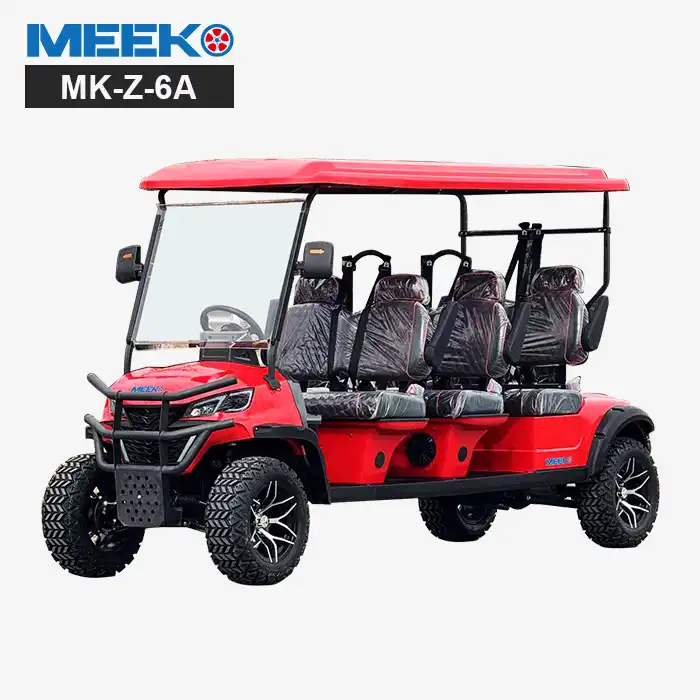
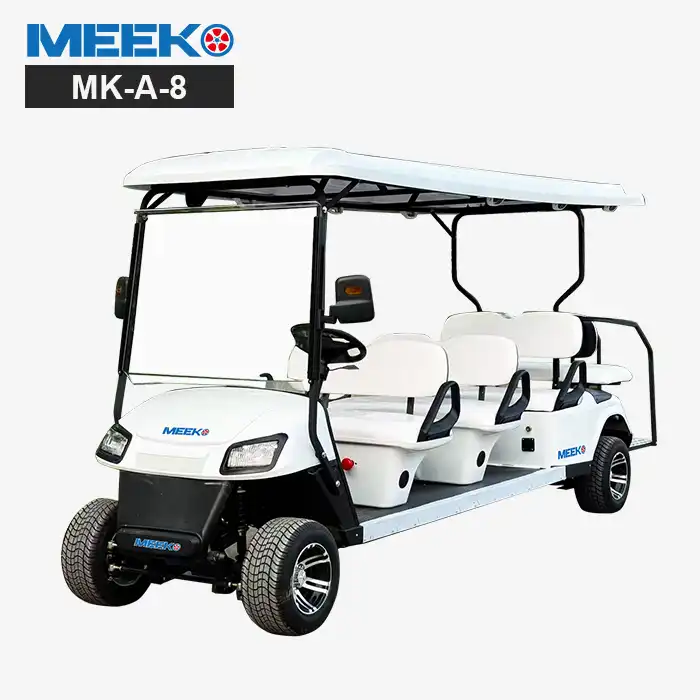
Custom utility golf carts' safety features are essential to operating industrial vehicles responsibly. Comprehensive protection measures that protect drivers while preserving operational effectiveness in a variety of work conditions are necessary for modern utility vehicles. These specialized electric vehicles play vital roles in settings where worker safety is of the utmost importance, such as factories, airports, warehouses, and campuses. Reinforced structural parts, sophisticated braking systems, visibility enhancement systems, and operator protection measures are all crucial safety components that work together to provide safe transportation options for commercial uses.
Understanding the Safety Challenges of Custom Utility Golf Carts
Unlike conventional passenger carts, industrial utility vehicles are subject to unique operational risks. Extended operational hours, heavy cargo loads, and navigating rough terrain all produce distinct risk profiles that call for specific safety measures. Employees that operate these vehicles frequently have to maneuver through confined places, deal with pedestrian traffic, and move dangerous or valuable products that require stricter safety regulations.
Common Risk Factors in Industrial Applications
Rollover incidents represent the most serious threat to operator safety, particularly when custom utility golf carts carry unbalanced loads or navigate sloped surfaces. According to occupational safety data, utility vehicle accidents often result from inadequate visibility, mechanical brake failure, or operator inexperience with customized control systems. Environmental factors such as wet surfaces, debris, and confined workspace navigation compound these challenges significantly.
Regulatory Compliance Requirements
OSHA regulations mandate specific safety standards for powered industrial trucks, including electric utility vehicles used in commercial applications. Compliance requirements encompass operator training protocols, vehicle inspection procedures, and safety equipment specifications that manufacturers must integrate during customization processes. European CE marking standards impose additional requirements for vehicles exported to international markets, emphasizing the importance of comprehensive safety design from initial manufacturing stages.
Essential Safety Features for Custom Utility Golf Carts
Reliable industrial utility vehicles are built on extensive safety systems. In order to prevent accidents and lessen the severity of injuries when they do occur, modern electric golf carts need a number of incorporated protection measures. These systems have to endure harsh industrial settings and continue to function reliably over an extended period of time.
Structural Protection Systems
During tip-over incidents or collision impacts, roll-over protection structures offer crucial occupant safety. Under heavy loads, reinforced steel frames protect structural integrity by distributing crash forces away from passenger compartments. Rather than retrofitting aftermarket components that could jeopardize vehicle stability or load distribution characteristics, quality manufacturers incorporate these protective aspects during initial construction. Professional utility vehicles need to have the following fundamental structural safety benefits:
- Heavy-duty steel frame construction with reinforced joint connections that exceed standard automotive safety standards
- Integrated roll cage systems designed specifically for utility vehicle applications and tested under realistic load conditions
- Impact-resistant body panels that protect operators from flying debris while maintaining visibility and access convenience
- Reinforced floor plates capable of supporting maximum rated cargo loads without structural deformation or safety compromise
In harsh industrial settings where custom utility golf carts endurance directly affects operator safety and operational continuity, these structural improvements offer dependable protection.
Advanced Braking and Control Systems
Sophisticated braking systems that function reliably under a range of load scenarios and environmental difficulties are necessary for modern utility vehicles. When vehicles are operating on sloping surfaces or carrying large amounts of goods, hydraulic disc brake systems offer better stopping power than conventional mechanical designs. Regenerative braking technology prolongs battery life and lowers maintenance costs by capturing energy during deceleration.
Customization Options That Enhance Safety
Customized safety adjustments enable utility vehicles to satisfy particular operational needs while upholding strict safety regulations. Unique environmental circumstances, cargo handling requirements, and workplace hazards are all addressed by custom safety features that typical designs are unable to adequately handle.
Terrain-Specific Safety Adaptations
Improved grip and stability on a variety of surface conditions are provided by all-terrain tire systems, which lower the risk of rollover and boost operator confidence in difficult navigation situations. Modern suspension systems provide operator comfort and cargo stability over long operating times while absorbing impacts from uneven surfaces. These adjustments are especially helpful for facilities with mixed surface conditions, building sites, and outdoor applications.
Cargo Security and Load Management
The materials, tools, and equipment that utility vehicles frequently transport in industrial applications are transported safely thanks to specialized cargo bed modifications. While changeable partition systems allow for a variety of cargo arrangements, locking tailgate devices prevent unintentional load leakage during transport. During ordinary operations, weight distribution optimization avoids hazardous load movements that could jeopardize vehicle stability or pose a risk to operators.
Technology Integration for Enhanced Safety
Fleet managers can keep an eye on vehicle locations, operating habits, and possible safety infractions in real time with the use of GPS tracking devices. By warning drivers of impending obstructions or pedestrians, collision avoidance technology lowers the likelihood of accidents in crowded work areas. In addition to providing documentation for safety training and incident investigation, speed monitoring systems guarantee adherence to facility safety procedures.
Maintenance Tips to Sustain Safety Performance
Preventive maintenance protocols preserve safety system effectiveness throughout vehicle service life while identifying potential problems before they compromise operator protection. Regular inspection schedules detect component wear, damage, or malfunction that could create dangerous operating conditions.
Critical Component Inspection Procedures
Brake system inspections should occur monthly in high-usage applications, examining hydraulic fluid levels, brake pad thickness, and disc condition for signs of excessive wear or damage. Tire condition monitoring includes tread depth measurement, sidewall crack inspection, and proper inflation maintenance that directly impacts vehicle stability and operator safety. Battery system checks encompass terminal corrosion detection, electrolyte level verification, and charging system performance evaluation.
Operator Training and Safety Protocols
Comprehensive operator training programs guarantee correct custom utility golf carts operation practices that optimize safety system efficacy while lowering the likelihood of accidents. Pre-operation inspection methods, safe loading practices, emergency response procedures, and facility-specific safety needs that operators face while performing their daily tasks should all be covered in training programs.
How to Choose the Right Custom Utility Golf Cart for Safety Needs?
It is important to carefully examine long-term cost factors, safety priorities, and operational requirements when choosing utility vehicles. In order to provide complete security for operators and cargo over the course of the expected service life, procurement decisions should strike a balance between the original investment and continuing operating costs.
Evaluating Manufacturer Credentials and Support
Reputable manufacturers maintain relevant safety certifications, quality management systems, and comprehensive warranty programs that demonstrate commitment to product reliability and customer satisfaction. After-sales support capabilities include parts availability, technical assistance, and service network accessibility that ensures continued safe operation throughout vehicle life cycles.
Why Choose Meeko for Your Custom Utility Golf Cart Needs?
Meeko specializes in producing premium electric utility vehicles that are made especially for business-to-business (B2B) applications that demand dependable performance and improved safety features. Advanced braking systems, stronger frame construction, and integrated safety technology that satisfies stringent industrial requirements are all examples of our extensive customizing possibilities. With a committed workforce of more than 200 workers and more than eight years of manufacturing expertise, we are aware of how crucial safety is in utility vehicle applications. Our varied manufacturing capacities allow for customized design services for a range of operating styles, guaranteeing that every vehicle satisfies particular safety standards while upholding competitive costing structures. Fast delivery dates minimize operational disturbance during fleet expansion or replacement initiatives by usually completing orders within a week. In-depth parts inventory and technical support are two aspects of comprehensive after-sales care that ensure vehicles continue to run safely for the duration of their service life.
Conclusion
Safety features in custom utility golf carts represent essential investments in worker protection and operational reliability. Comprehensive safety systems encompassing structural protection, advanced braking, visibility enhancement, and technology integration create secure transportation solutions for diverse industrial applications. Proper maintenance protocols and operator training maximize safety system effectiveness while ensuring consistent protection throughout vehicle service life. Selecting qualified manufacturers with proven safety expertise and comprehensive support capabilities ensures long-term operational success and regulatory compliance in demanding business environments.
Frequently Asked Questions
Q1: What are the most important safety features to prioritize when customizing utility golf carts?
A: Roll-over protection structures, hydraulic disc braking systems, LED lighting packages, and proper seat belt installations represent the most critical safety features. These elements provide fundamental operator protection while ensuring reliable vehicle control under various operating conditions and load scenarios.
Q2: How frequently should safety inspections be conducted on industrial utility vehicles?
A: Monthly safety inspections are recommended for high-usage applications, with weekly checks for critical components like brakes, tires, and lighting systems. Daily pre-operation inspections should verify basic safety functions before each shift to ensure continued safe operation.
Q3: Are electric utility golf carts safer than gas-powered alternatives for industrial applications?
A: Electric vehicles eliminate fire hazards associated with fuel systems while providing quieter operation and zero emissions in enclosed facilities. However, both power types require proper maintenance and safety protocols specific to their respective energy systems to ensure safe operation.
Partner with Meeko for Enhanced Vehicle Safety
Meeko stands ready to help you design the perfect custom utility golf cart manufacturer solution that prioritizes safety without compromising operational efficiency. Our experienced engineering team works closely with clients to identify specific safety requirements and develop customized solutions that exceed industry standards. We invite procurement managers and fleet operators to explore our comprehensive range of safety-enhanced utility vehicles designed for demanding industrial applications. Contact us at sales@mingkomach.com to discuss your specific requirements and discover how our advanced manufacturing capabilities can deliver the safety features your operation demands.
References
1. National Institute for Occupational Safety and Health. "Criteria for a Recommended Standard: Occupational Exposure to Powered Industrial Trucks." DHHS Publication No. 99-103, 1999.
2. Occupational Safety and Health Administration. "Powered Industrial Truck Standard 29 CFR 1910.178." U.S. Department of Labor, 2021.
3. American National Standards Institute. "Safety Standard for Low Speed Vehicles ANSI/ACME B56.8-2015." American Society of Mechanical Engineers, 2015.
4. International Organization for Standardization. "Earth-moving machinery - Safety - Part 1: General requirements ISO 20474-1:2017." ISO Technical Committee, 2017.
5. Society of Automotive Engineers. "Performance Requirements for Golf Cars SAE J2258." SAE International Standards, 2018.
6. European Committee for Standardization. "Safety of Industrial Trucks - Self-propelled Variable Reach Trucks EN 1755:2015." CEN Technical Committee, 2015.