- English
- French
- German
- Portuguese
- Spanish
- Russian
- Japanese
- Korean
- Arabic
- Greek
- German
- Turkish
- Italian
- Danish
- Romanian
- Indonesian
- Czech
- Afrikaans
- Swedish
- Polish
- Basque
- Catalan
- Esperanto
- Hindi
- Lao
- Albanian
- Amharic
- Armenian
- Azerbaijani
- Belarusian
- Bengali
- Bosnian
- Bulgarian
- Cebuano
- Chichewa
- Corsican
- Croatian
- Dutch
- Estonian
- Filipino
- Finnish
- Frisian
- Galician
- Georgian
- Gujarati
- Haitian
- Hausa
- Hawaiian
- Hebrew
- Hmong
- Hungarian
- Icelandic
- Igbo
- Javanese
- Kannada
- Kazakh
- Khmer
- Kurdish
- Kyrgyz
- Latin
- Latvian
- Lithuanian
- Luxembou..
- Macedonian
- Malagasy
- Malay
- Malayalam
- Maltese
- Maori
- Marathi
- Mongolian
- Burmese
- Nepali
- Norwegian
- Pashto
- Persian
- Punjabi
- Serbian
- Sesotho
- Sinhala
- Slovak
- Slovenian
- Somali
- Samoan
- Scots Gaelic
- Shona
- Sindhi
- Sundanese
- Swahili
- Tajik
- Tamil
- Telugu
- Thai
- Ukrainian
- Urdu
- Uzbek
- Vietnamese
- Welsh
- Xhosa
- Yiddish
- Yoruba
- Zulu
How a 4 Wheel Electric Golf Buggy Improves Course Efficiency
A 4 wheel electric golf buggy dramatically improves course efficiency by providing enhanced stability across varied terrains, reducing maintenance downtime, and ensuring consistent player flow throughout the day. These advanced electric vehicles deliver superior traction control compared to traditional models, minimizing turf damage while supporting continuous operations. Their robust battery systems and reliable performance characteristics eliminate common transportation bottlenecks that plague golf course operations, creating smoother workflows and enhanced player satisfaction across all course conditions.
Understanding the Efficiency Challenges in Golf Course Operations
Golf course managers all over the US are under more and more pressure to keep operations running smoothly while still giving players a great experience. There are many organizational problems at modern golf courses that make it hard to make money and keep customers happy. These problems have an impact on all parts of daily activities, from setting tee times to the work that goes into repair. Transportation errors are one of the biggest problems that golf course managers have to deal with these days. Most of the time, traditional golf cart rentals have problems with uneven performance, frequent breaks, and power systems that aren't up to par with the needs of the course. These problems with dependability cause schedule delays, stop the flow of players, and add to the cost of upkeep, which puts a pressure on business budgets.
Terrain-Related Operational Difficulties
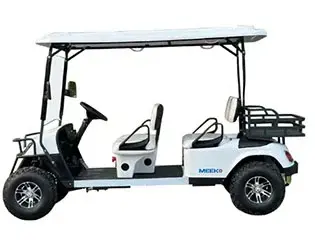
Golf courses have a lot of different terrain obstacles that test vehicles every day. weather like steep hills, wet weather, sandy areas, and rough terrain put a lot of stress on golf cart companies. When vehicles aren't stable enough, they can't get to some parts of the course, which slows down repair and could put staff and players' safety at risk. These problems are made worse by operating delays caused by bad weather, especially during busy game seasons. Courses need solid transportation options that keep performance levels high no matter what the weather is like. Traditional three-wheel types often have problems with control and grip that make them less useful when the weather is bad.
Maintenance and Downtime Challenges
Golf course management teams have to deal with more work when they have to do complicated repair tasks. Service delays happen a lot, which makes fleets less available during busy times. This means that classes have to run with fewer vehicles. Because of this situation, daily operations are held up, which impacts everything from transporting players to performing necessary repairs. Dependability of equipment is closely linked to how well it works and how happy customers are with it. Transportation systems that don't work well together mean that courses have to keep more vehicles on hand to make up for the fact that they break down so often. This increases the cost of capital purchases and ongoing upkeep while also making operations less efficient overall.
How 4 Wheel Electric Golf Buggies Overcome Course Efficiency Issues?
Transportation options for modern golf fields need to be able to handle operating problems and work well in a variety of circumstances. Through advanced engineering and strict building standards, 4 wheel electric golf buggy offer complete answers to traditional problems with efficiency. With an extra wheel, the vehicle is much more stable and has better control over its grip than regular three-wheel types. This increased steadiness directly leads to higher working efficiency by making it possible to reach all course areas reliably, even when the terrain or weather is bad.
Superior Stability and Terrain Management
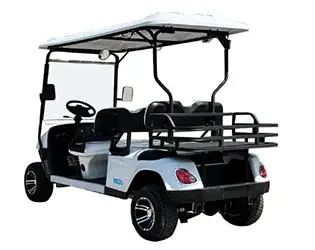
Four-wheel electric golf buggies work great on rough ground that can make it hard for other vehicles to do their job. The better ground touch and better weight distribution protect the turf while keeping consistent grip on a variety of surface conditions. This feature lets you consistently get to all parts of the course, which supports full repair work and continuous player services. The four-wheel design and advanced suspension systems work together to reduce vibrations and make the ride more comfortable. These changes make it easier for operators to stay focused during long periods of use and keep sensitive course equipment safe while it's being moved. The end result is that all course management tasks are now more efficiently run.
Advanced Battery Technology and Power Systems
Modern electric golf buggies have high-capacity battery systems that let them work for longer distances without losing any performance. These improved power systems allow for continuous operation even during high usage times. This means that charging stops less often, which is a problem for traditional electric car rentals. Unlike older lithium batteries, modern lithium batteries offer constant power no matter how charged they are, keeping their best performance qualities for long periods of time. This level of dependability makes sure that vehicles are always available and stops operations from being interrupted by problems with the power grid or charging stations that aren't set up properly.
Enhanced Safety Features and Weather Resistance
All-around safety systems built into four-wheel electric golf carts lower operating risks and make them more useful in a wider range of circumstances. Advanced stopping systems, better vision features, and strong weather protection allow activities to go on even in tough conditions that would normally make it impossible for a regular car to be used. By cutting down on accident-related downtime and making working seasons longer, these safety improvements directly lead to higher operational efficiency. Weather-resistant building materials let courses keep up their full transportation capacity even when the weather is bad, which helps with regular player services and important upkeep tasks.
Key Factors to Consider When Procuring 4 Wheel Electric Golf Buggies
To buy a golf cart successfully, you need to think about all of the practical needs, performance standards, and long-term costs. Modern golf courses are very competitive places to work, and the dependability of their tools has a direct effect on how happy their customers are and how much money they make. When making choices about purchases, people have to weigh the wants of the present with long-term strategy goals. When buying an 4 wheel electric golf buggy, the performance qualities of the batteries are very important. The performance of modern lithium battery systems is better than that of old lead-acid systems. They have longer operating ranges, can be charged faster, and are more reliable. These benefits directly lead to higher business effectiveness through less downtime and less need for repair.
Terrain Compatibility and Load Capacity Assessment
Different golf courses have very different landscapes, which means that vehicles must meet certain performance standards that must be carefully considered during the buying process. Steep slopes, soft ground, and different types of surface materials all present their own challenges that must be met by vehicles that are properly equipped to perform at their best. What the load capacity needs to be depends on the practical tasks, such as moving people, pulling goods, or doing repairs. A thorough look at the weight limits makes sure that the chosen cars can handle a range of working jobs without lowering safety or performance standards. This review stops mistakes in buying that could cost a lot of money and make operations less flexible.
Charging Infrastructure and Energy Management
Effective electric vehicle fleet management requires adequate charging infrastructure that supports operational demands without creating bottlenecks during peak usage periods. Modern fast-charging systems enable rapid vehicle turnaround during busy operational periods, maintaining fleet availability when demand is highest. Energy management systems integrated into modern electric golf buggies provide real-time battery monitoring and optimization features that extend operational ranges while protecting battery longevity. These systems reduce operational costs by maximizing battery life and minimizing unexpected power failures that could disrupt course operations.
Supplier Evaluation and Support Services
To choose the right providers, you need to look at their production skills, quality standards, and ongoing support services. Reputable makers offer strong warranties, new parts that are easy to find, and quick technical help that keeps operations running smoothly throughout the lifecycles of vehicles. Courses can choose car setups that meet specific operating needs thanks to customization features. This gives buying efforts the best chance of working well while also accommodating the specific needs of course management. Suppliers who offer full customization offer better value by customizing solutions that make operations run more smoothly.
Comparing 4 Wheel Electric Golf Buggies With Other Models: Making an Informed Choice
Knowing the differences between the different types of golf buggy setups helps you make smart purchasing choices that meet your unique working needs. Although three-wheel models may be cheaper in some situations, four-wheel setups offer better performance that makes up for higher starting costs through higher working efficiency and lower long-term costs. The biggest difference in speed between three-wheel and four-wheel designs is in stability. The extra wheel makes the vehicle's weight distribution better and its grip control better, especially on rough ground or when the weather is bad. This better steadiness directly leads to practical benefits by lowering the chance of accidents and increasing the capabilities for operations.
Performance Comparison Analysis
When compared to other designs, four-wheel electric golf carts perform better in a number of operational measures. Better stability lets it work reliably on rough ground and steep hills, where three-wheel types might have trouble or need to be limited in how they can be used. This new feature gives operations more freedom, which has a direct effect on how well course management works. Better traction control that comes with four-wheel setups protects the grass and keeps the car running reliably on a variety of surfaces. This safety helps keep the standard of the courses high and makes sure that transportation services stay the same no matter what the weather is like.
Cost-Benefit Evaluation
When compared to three-wheel electric golf carts, four-wheel models usually require bigger initial investments. However, the better functionality and lower upkeep needs often make up for these costs through higher long-term value. Total cost of ownership estimates are better when there is less downtime, lower upkeep costs, and longer car lifecycles. Four-wheel designs give courses operational freedom that lets them run with smaller teams of vehicles while still providing the same level of service. This cuts down on both startup costs and ongoing upkeep costs. This improvement in economy adds value that helps the case for buying more expensive car options.
Enhancing Course Efficiency with Integrated Solutions and Accessories
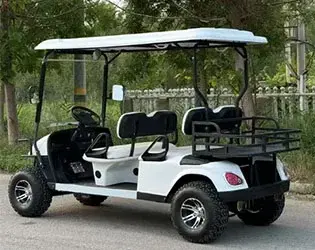
To get the most out of 4 wheel electric golf buggy for work, you need to strategically combine the right tools and management systems with them. Modern golf courses have complicated logistics systems that depend on how well the traffic works. This has a direct effect on how well the business runs overall and on how happy the customers are. With modular extension systems, schools can change how vehicles are set up to do particular jobs without having to buy a lot of different types of vehicles. This adaptability lowers the complexity of the fleet while making sure that the right capabilities are available for a wide range of practical needs during daily course management tasks.
Customization Options and Modular Accessories
Contemporary electric golf buggy designs accommodate extensive customization through modular accessory systems that enhance operational capabilities. Equipment storage solutions, specialized seating configurations, and task-specific modifications enable single vehicles to serve multiple operational roles effectively.
Weather protection accessories extend operational capabilities during challenging environmental conditions, enabling courses to maintain full service levels when conventional vehicles might be restricted. These enhancements provide operational flexibility that directly contributes to improved customer satisfaction and operational efficiency.
Integration with Course Management Systems
Modern golf course management software can integrate with electric vehicle fleets to optimize scheduling, maintenance tracking, and resource allocation. These integrated systems provide real-time vehicle status monitoring, predictive maintenance scheduling, and operational analytics that enhance decision-making capabilities.
Automated fleet management capabilities reduce administrative overhead while ensuring optimal vehicle utilization across daily operations. These efficiency improvements contribute to reduced operational costs and enhanced service reliability that supports improved customer experiences.
Case Study Applications and Performance Results
Leading golf facilities across the United States have documented significant operational improvements following four-wheel electric golf buggy implementation. Measured benefits include reduced player wait times, improved maintenance efficiency, and enhanced course access during challenging conditions.
Quantifiable performance improvements demonstrate the tangible value of investing in premium vehicle configurations. These documented results provide compelling justification for procurement investments while validating the operational benefits of four-wheel electric golf buggy technology.
Why Choose Meeko for Your Golf Course Transportation Needs?
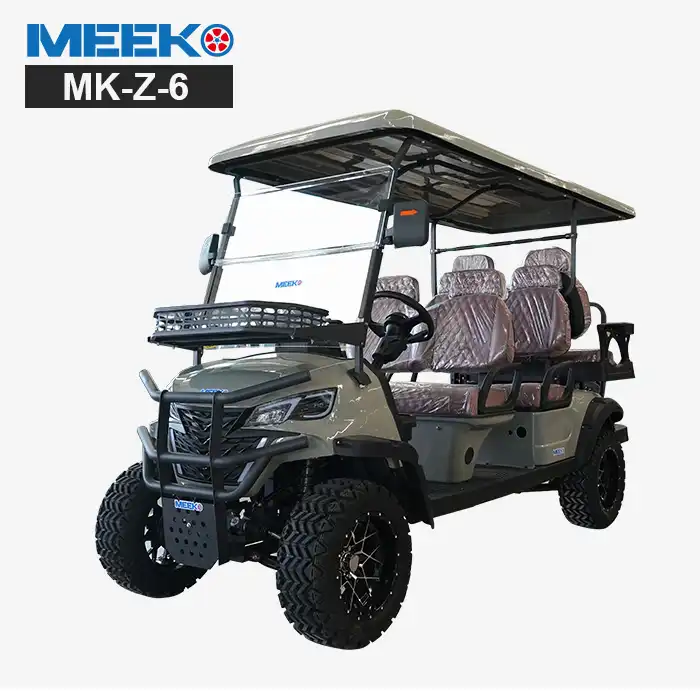
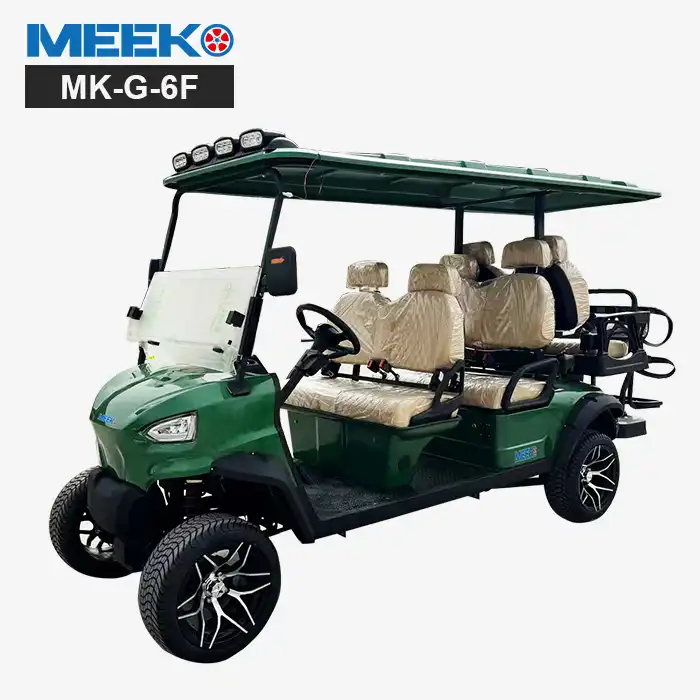
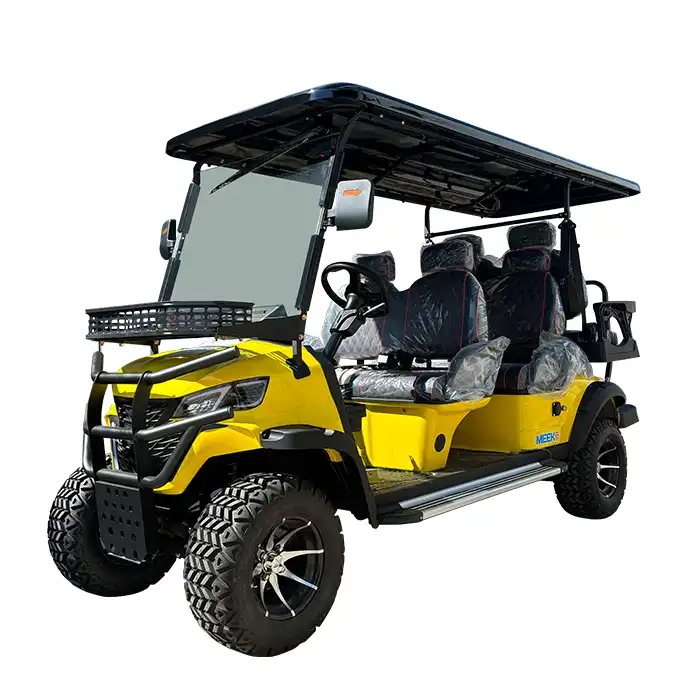
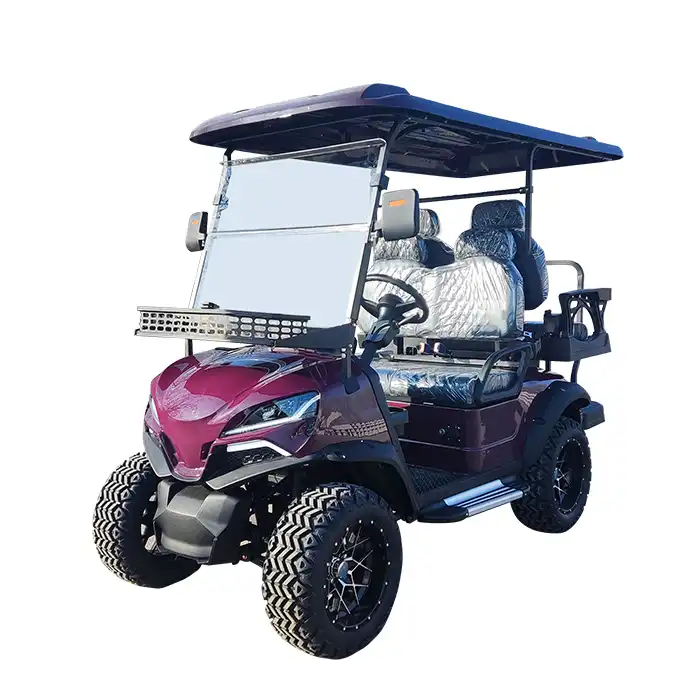
Meeko specializes in manufacturing premium four-wheel electric golf buggies that deliver exceptional performance and reliability for demanding golf course applications. Our comprehensive manufacturing capabilities enable extensive customization options that ensure each vehicle configuration meets specific operational requirements while providing superior value through competitive pricing and exceptional support services.
Our diverse manufacturing capabilities support personalized design services across various styles, colors, battery configurations, and seating options. This flexibility ensures every golf course can specify vehicle configurations that optimize operational efficiency while meeting specific aesthetic and functional requirements.
Comprehensive OEM Services and Customization Capabilities
Meeko's extensive manufacturing molds enable personalized design services that accommodate diverse operational requirements and aesthetic preferences. Our experienced engineering team works closely with clients to develop customized solutions that enhance operational efficiency while meeting specific course management needs.
Our OEM services provide complete design flexibility, enabling courses to specify unique configurations that align with operational requirements and brand standards. This capability ensures procurement investments deliver optimal value through precisely tailored solutions that enhance operational performance.
Competitive Pricing and Value Proposition
We maintain competitive pricing structures that provide exceptional value without compromising quality or performance standards. Our direct manufacturing approach eliminates middleman costs, enabling competitive pricing that supports favorable procurement budgets while delivering premium vehicle quality.
Our pricing transparency ensures clients receive comprehensive cost information during procurement processes, enabling accurate budget planning and informed decision-making. This approach builds trust while supporting successful procurement outcomes that meet operational and financial objectives.
Conclusion
Modern golf course operations demand reliable transportation solutions that enhance efficiency while supporting exceptional player experiences. Four-wheel electric golf buggies provide comprehensive solutions to traditional operational challenges through superior stability, enhanced performance capabilities, and reduced maintenance requirements. These advanced vehicles enable golf courses to optimize operations while maintaining service quality standards that exceed customer expectations. Procurement professionals seeking to enhance operational efficiency should carefully evaluate 4 wheel electric golf buggy options that provide measurable improvements in course flow, reduced operational costs, and enhanced operational flexibility across diverse environmental conditions.
FAQ
What is the typical battery life of a 4 wheel electric golf buggy during regular operations?
Modern lithium battery systems in four-wheel electric golf buggies typically provide 25-30 miles of operational range under normal conditions. Battery performance varies based on terrain, load capacity, and usage patterns, but quality systems maintain consistent performance throughout their operational cycles. Proper charging and maintenance practices can extend battery life to 3-5 years of reliable service.
What maintenance routines maximize 4 wheel electric golf buggy longevity?
Regular maintenance routines should include weekly battery charging checks, monthly tire pressure inspections, and quarterly brake system evaluations. Professional servicing every six months ensures optimal performance and identifies potential issues before they impact operational efficiency. Proper maintenance can extend vehicle lifecycles to 8-10 years of reliable service.
What safety certifications ensure compliance and user protection?
Quality four-wheel electric golf buggies should meet relevant safety standards including electrical safety certifications, braking system compliance, and structural integrity testing. Reputable manufacturers provide comprehensive documentation of safety testing and certification compliance to ensure operational safety and regulatory compliance.
Transform Your Golf Course Operations with Meeko's Premium Electric Buggies
Meeko's advanced four-wheel electric golf buggy solutions deliver measurable operational improvements that enhance course efficiency while reducing long-term costs. Our comprehensive customization capabilities, competitive pricing, and exceptional after-sales support make us the preferred 4 wheel electric golf buggy supplier for golf facilities worldwide. Contact our expert team at sales@mingkomach.com to discuss your specific requirements and discover how our innovative transportation solutions can optimize your course operations while delivering superior value and performance.
References
1. Golf Course Management Association. "Transportation Efficiency Standards for Modern Golf Operations." Professional Golf Management Journal, 2023.
2. American Society of Golf Course Architects. "Terrain Management and Vehicle Selection Guidelines for Golf Course Operations." Golf Course Design and Management, 2024.
3. International Golf Equipment Research Institute. "Comparative Analysis of Electric Golf Vehicle Performance and Reliability." Golf Technology Review, 2023.
4. National Golf Foundation. "Operational Efficiency Trends in Contemporary Golf Course Management." Golf Industry Report, 2024.
5. Electric Vehicle Performance Standards Committee. "Battery Technology and Performance Requirements for Golf Course Applications." Electric Golf Vehicle Standards, 2023.
6. Golf Course Superintendents Association of America. "Equipment Selection and Maintenance Best Practices for Golf Course Transportation." Turf Management Professional, 2024.
Learn about our latest products and discounts through SMS or email