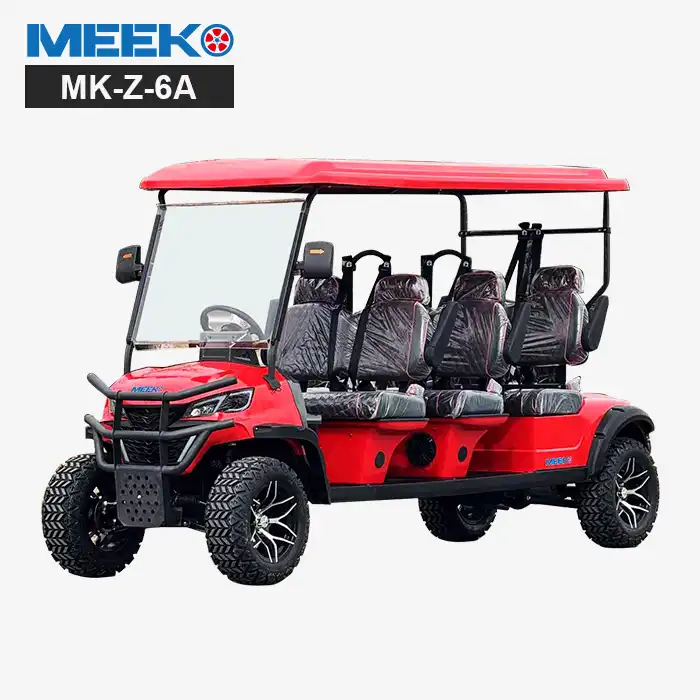
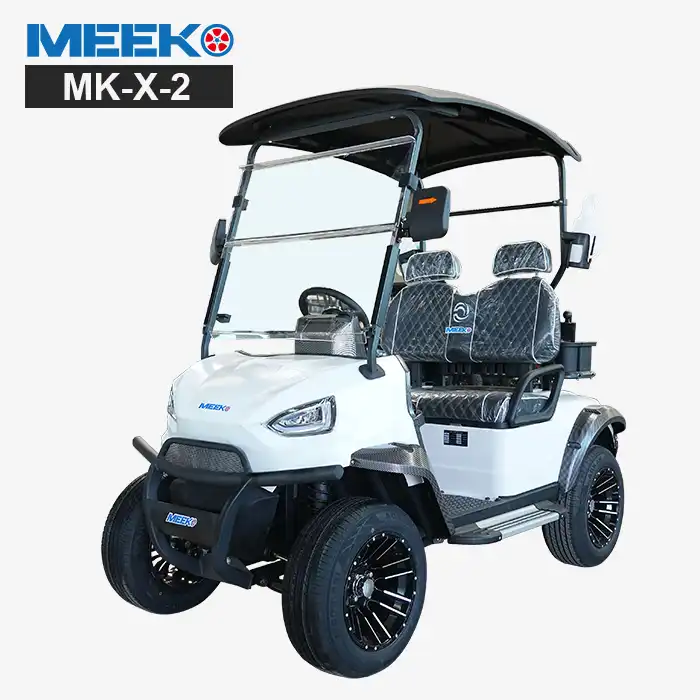
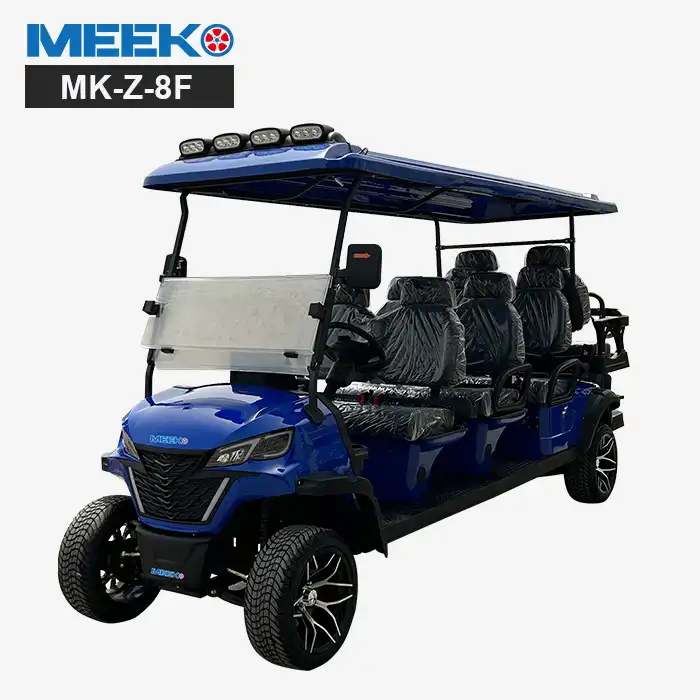
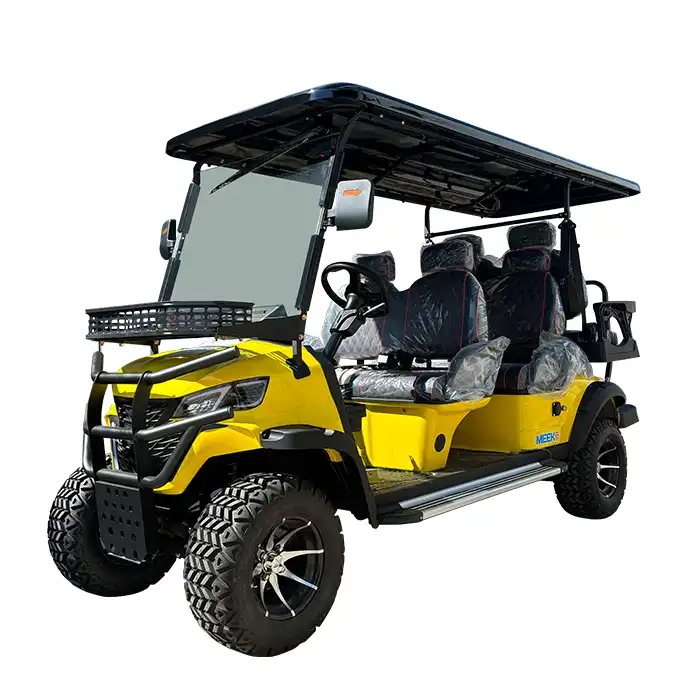
To understand how the price of a golf buggy 6 seater changes over time, you need to carefully look at a lot of different factors that have a big effect on the end cost. The prices of these flexible electric cars vary a lot depending on their features, the quality of their construction, and any customizations that you want. Whether you're in charge of a golf course fleet or trying to add more transportation options for your lodge, understanding what affects prices can help you get the best deal on the things you need while also making sure they work well. This detailed guide looks at the important things that affect the prices of six-seater golf carts. It gives B2B procurement professionals, purchasing managers, OEM clients, and dealers the information they need to make smart choices. We'll talk about how to compare powertrains, market factors, and value assessment methods that are necessary for smart buying in today's competitive world.
Understanding the Core Factors Affecting Golf Buggy 6 Seater Price
The price of a six-seater golf cart is based on a number of engineering specs and parts that work together. Cost is based on important factors like the quality of the frame material, the powertrain technology, the battery capacity, the seating arrangement, and the safety features that are built in. Premium materials, such as frames made of strengthened steel or lightweight aluminum alloys, cost more but last longer and are more durable. Performance specifications, such as the size of the vehicle, its top speed, and its load capacity, are closely linked to how hard it is to make and how much it costs in the end.
Key Components Driving the Purchase Price
Frame materials are the most important part of any good golf buggy 6 seater. Steel frames are strong and don't cost too much, while metal frames are lighter but cost more. Choosing between electric motors and gasoline engines has a big effect on costs. Electric systems usually need a bigger investment up front because they need more complex battery technology and control systems. Pricing is heavily affected by battery capacity. For example, higher-capacity lithium-ion systems are much more expensive than standard lead-acid systems, but they work better and last longer. The complexity of the seating design has a big effect on the cost of production. There are simpler bench sitting options that are cheaper than individual bucket seats with better padding and better ergonomics. Safety features like seat belts, headlights, turn signals, and braking systems cost extra, but they are still necessary for business use. Backup cameras and proximity sensors are examples of more advanced safety features that add to the cost but improve practical safety standards.
How Specifications Translate to Pricing Differences?
The size of a vehicle directly affects the materials that are needed and how hard it is to make. Small models with tight turning radii are less expensive than bigger models that are made to be more comfortable for passengers and hold more goods. The motor specs and level of sophistication of the control system are affected by the speed. Models with higher speeds need more powerful parts and more advanced safety systems. Load capacity standards tell you what kind of structure you need and what size parts you need. Models made for heavy-duty use with better suspension systems and stronger frames are more expensive than regular leisure models. Standards for durability that take into account the expected working conditions also affect the choice of materials and building methods, which in turn affect the total amount of money that needs to be spent.
Comparing Electric vs Petrol 6 Seater Golf Buggies: Cost Implications
Selecting between an electric and petrol-powered golf buggy 6 seater involves a comprehensive analysis of initial investment versus long-term operational expenses. Electric models typically present higher upfront costs due to advanced battery technology and sophisticated control systems, yet deliver substantial savings through reduced fuel expenses and simplified maintenance requirements. This cost structure particularly benefits high-utilization operations where fuel savings accumulate rapidly over time.
Overview of Electric and Petrol Powertrains
Electric powertrains usually cost 15–25% more than gasoline engines of the same size at first. This is mostly because of the science behind the batteries and the motor control systems. However, an analysis of operational costs shows that electric versions have big benefits. Electricity costs a lot less per mile than gasoline, and electric motors don't need nearly as much upkeep as internal combustion engines, which have a lot of moving parts, filters, and fluid changes. In some situations, gasoline-powered models are better, especially when you need a long drive without having to refuel. These systems work the same no matter what the temperature is outside, and you don't have to worry about the batteries dying over time. Total ownership costs go up, though, because of ongoing fuel costs and regular upkeep like oil changes, spark plug replacement, and exhaust system servicing.
Battery Life and Replacement Costs
In normal use, modern lithium-ion batteries last between 5 and 8 years, and the cost to change them ranges from $3,000 to $6,000. This depends on the technology and capacity of the battery. Lead-acid alternatives cost less up front, but they need to be replaced every two to three years, which could mean higher long-term costs despite the lower original cost. Battery technology is still changing very quickly. Newer chemistries offer longer battery life and lower repair costs. With more advanced battery disposal programs and no longer having to deal with the pollution that comes from gasoline engines, electric systems are also better for the environment.
Maintenance and Safety Features Cost Analysis
Electric cars usually don't need to be serviced as often as gasoline cars, so the time between visits is usually two to three times longer. The prices of safety devices are about the same for all powertrains, but electric models may have extras like regenerative braking systems that make them safer and more fuel-efficient. When operations last for a long time, differences in maintenance costs become significant. Electric systems mostly need to have their batteries checked and their motors serviced once in a while. On the other hand, gasoline engines need to be tuned up regularly, have their filters changed, and possibly have complex mechanical parts fixed.
Additional Factors Influencing Price in the 2024 Market
Current market dynamics significantly impact golf buggy 6 seater pricing beyond basic specifications. Brand reputation, customization capabilities, and comprehensive service packages create substantial price variations among seemingly similar models. Understanding these market forces enables more effective procurement strategies and better value optimization.
Brand and Manufacturer Premiums
Well-known brands like Club Car, Yamaha, and EZGO charge higher prices because they are known to be reliable and have large partner networks. Most of the time, these makers charge 20–30% more than new brands, but their warranties are better, and parts are easier to find. When an OEM works with well-known manufacturers, they can often get better prices than aftermarket providers while still providing consistent quality and dependable support. Direct ties with manufacturers, like the ones you can get through companies like Meeko, get rid of markups for distributors while keeping quality standards high. This method works especially well for large buyers who want customized solutions at reasonable prices.
Customization and Optional Features
Options for customization have a big effect on the final price. For example, paint schemes, better materials for the seats, and unique items can add 10 to 40 percent to the base price. Some popular upgrades are weather panels, better sound systems, custom graphics, and different ways to arrange goods. Even though these features cost more at first, they often make operations more efficient and help brands fit together in business settings. For many business users, the extra costs are worth it because advanced features like GPS tracking systems, fleet management integration, or specialty lighting packages make operations run more smoothly. Figuring out which customization choices add real value and which ones are just for looks helps get the most out of your customization budget.
Availability, Delivery, and Support Services
Logistics issues are having a bigger effect on the total cost of purchase, especially when buying things from other countries. Shipping, clearing customs, and local delivery can add a lot to the price of the item itself. When a manufacturer offers full logistics management, they can often save you money by setting up sending relationships and streamlining processes. Long-term value propositions are directly affected by warranty terms and the availability of help after the sale. For businesses that need little downtime, the higher prices are worth it because of the longer warranties and quick availability of replacement parts. Service network density has a big effect on ongoing prices and the availability of equipment.
Purchasing Options and Cost-Saving Strategies for B2B Buyers
Strategic procurement approaches can substantially reduce acquisition costs while maintaining quality standards essential for commercial operations. Understanding available purchasing options and negotiation strategies enables more effective budget optimization and enhanced value realization.
New vs Used Golf Buggy 6 Seater Pricing Dynamics
Used golf carts with six seats usually cost 40 to 60 percent less than new ones, which means businesses that are trying to save money can save a lot of money. But a careful condition review is still needed, especially when it comes to the health of the batteries, the structure's strength, and the history of maintenance. Used electric cars that have been well taken care of are often a great deal, while older gasoline cars may need a lot of technical work. Certified pre-owned programs from reputable makers are a good compromise because they offer warranty coverage and quality assurance at a lower price than new units. Small businesses that need reliable tools but don't have a lot of money can really benefit from these programs.
Financing and Leasing Options
Financing and leasing agreements for equipment help with managing cash flow needs while getting the fleet capacity that is needed. Most loans have terms of 3 to 7 years and offer low interest rates to approved buyers. Leasing choices offer a way to group operational costs and make it easier to replace equipment, which is especially helpful for businesses that want to use the newest technology. When you buy in bulk, you can often get better terms and lower rates than when you buy one lot at a time. A lot of the time, fleet management companies offer complete packages that include upkeep, insurance, and replacement services. These packages make running the business easier and keep costs down.
Bulk Purchase and Supplier Negotiation Tips
If you buy more than 5 to 10 units, you can get big deals. You might save 15 to 25 percent compared to buying each item separately. Building long-term ties with suppliers lets you get better prices and faster access to services. Costs are also affected by when you buy, since buying at the end of a model year often results in big savings. Verifying prices openly by getting quotes from several suppliers makes sure that prices are competitive and helps find possible service benefits. Manufacturers with a good reputation, like Meeko, offer clear, straight pricing and don't add markups for distributors. They also offer full support services.
How to Evaluate Golf Buggy 6 Seater Price Relative to Value?
Effective price evaluation requires a comprehensive analysis extending beyond initial purchase costs to include operational performance, durability expectations, and total ownership expenses. Different operational environments demand prioritizing specific capabilities that justify premium investments or enable cost optimization strategies.
Balancing Cost with Performance and Durability
For golf courses, quiet operation, adaptability to different terrain, and weather defense are usually the most important factors. This is why investing in better suspension systems and weather protection is a good idea. In resort settings, comfort and good looks may be important to visitors, which supports high-end seats and personalized look packages. For industrial uses, maximum longevity and load capacity are needed. This is why investing in heavy-duty components and reinforced frames is a good idea. By knowing the exact operating needs, you can choose the specifications that give you the best value without adding extra features that you don't need. Important features that support bigger investments include bigger batteries for longer ranges, better suspension for operating on rough terrain, and better seats for applications where guests will be facing the vehicle.
Case Study: Cost Breakdown of a Mid-Range 6-Seater Golf Buggy
For example, a mid-range electric six-seater golf cart that costs $8,500 has battery systems that cost about $2,500, motor and controller parts that cost $1,800, frame and body construction that costs $1,500, seating and interior parts that cost $1,200, wheels and suspension that cost $800, and electrical systems and accessories that cost $700. Knowing these parts of the cost helps you judge how clear the prices are and figure out what customization goals might be. This breakdown shows that battery technology makes up almost 30% of all costs, which explains why prices vary for different capacities. Seating is another important part that needs careful thought about how to balance comfort needs with price limitations.
Future-Proofing Your Procurement Decision
Emerging technologies, including advanced battery chemistries, autonomous navigation capabilities, and integrated fleet management systems, will influence future golf cart functionality and value propositions. Selecting platforms capable of technology upgrades helps protect investment value over extended operational periods. Industry trends toward electrification and enhanced connectivity suggest that traditional petrol models may face declining support and resale values. Procurement decisions should consider these technological trajectories to ensure continued operational viability and competitive positioning.
About Meeko: Your Trusted Golf Cart Manufacturing Partner
Shandong Meeko New Energy Tech Inc. has established itself as a leading golf cart manufacturer since 2015, specializing in customization, wholesale, and OEM/ODM electric golf cart vehicles. With over 200 employees and comprehensive manufacturing capabilities, Meeko maintains an unwavering commitment to excellence across every aspect from material preparation through final testing. Our robust research and development capabilities enable comprehensive golf cart solutions tailored to specific operational requirements. Our diverse manufacturing molds enable personalized design services covering various styles, colors, battery configurations, wheels, and seating options. As a direct manufacturer, we eliminate middleman costs while maintaining rigorous quality standards throughout our China-based production facilities. Our experienced technical team collaborates closely with clients to design optimal golf cart configurations, while our dedicated after-sales team ensures comprehensive support throughout the ownership experience. Meeko's competitive advantages include comprehensive OEM services with diverse manufacturing capabilities, competitive pricing that remains accessible for various budgets, fast delivery typically within one week of order confirmation, and extensive parts and accessories inventory for rapid warranty support. We welcome distributors and individual buyers worldwide to explore mutually beneficial cooperation opportunities.
Conclusion
Understanding golf buggy 6 seater pricing requires a comprehensive analysis of components, powertrains, market factors, and total ownership costs. Electric models offer superior long-term value despite higher initial investment, while customization options and manufacturer selection significantly impact both pricing and operational success. Strategic procurement approaches, including volume purchasing, direct manufacturer relationships, and careful specification selection, optimize value realization. Evaluating price relative to performance requirements ensures investment alignment with operational objectives while maintaining budget efficiency.
Frequently Asked Questions
What factors should I prioritize when choosing a 6a-seater golf buggy for commercial use?
A: Commercial applications should prioritize durability, battery capacity, and safety features above aesthetic considerations. Focus on reinforced frame construction, high-capacity lithium-ion batteries for extended range, comprehensive safety equipment including seat belts and lighting, and manufacturer warranty coverage. Consider operational environment demands such as terrain requirements, passenger comfort expectations, and maintenance accessibility when evaluating specifications.
How does battery life impact the total cost of owning an electric 6-seater golf buggy?
A: Battery replacement represents the largest maintenance expense for electric golf carts, typically occurring every 5-8 years for lithium-ion systems. Quality batteries cost $3,000-$6,000 for replacement, making initial battery selection crucial for long-term economics. Premium battery systems with longer lifespans and better warranties often provide superior total cost of ownership despite higher upfront investment.
Are there financing options available for bulk purchases of 6-seater golf buggies?
A: Yes, most manufacturers and dealers offer financing programs for bulk purchases, typically featuring competitive interest rates and flexible terms ranging from 3-7 years. Leasing options provide operational expense classification and simplified fleet management. Volume purchases often qualify for enhanced financing terms and significant discount opportunities, making bulk procurement financially attractive for larger operations.
Partner with Meeko for Your Golf Cart Procurement Needs
Ready to explore premium golf buggy 6 seater solutions that deliver exceptional value and reliable performance? Meeko's manufacturing expertise and direct-to-customer approach eliminate unnecessary costs while ensuring superior quality and comprehensive support. Our customization capabilities and competitive pricing make us the ideal golf buggy 6 seater manufacturer for your specific requirements. Whether you need individual units or fleet quantities, our experienced team provides personalized consultation and detailed quotations tailored to your operational needs. Contact us at sales@mingkomach.com to discover how Meeko can optimize your golf cart investment with cost-effective solutions and exceptional service.
References
1. Golf Cart Industry Analysis and Market Trends Report 2024, Electric Vehicle Research Institute
2. Commercial Golf Cart Procurement Best Practices, Fleet Management Association
3. Battery Technology Cost Analysis for Electric Golf Vehicles, International Battery Technology Consortium
4. Golf Course Equipment Investment and ROI Analysis, Golf Course Management Association
5. Electric vs Petrol Golf Cart Total Cost of Ownership Study, Sustainable Transportation Research Group
6. Golf Cart Safety Standards and Regulations Compliance Guide, National Golf Cart Safety Council