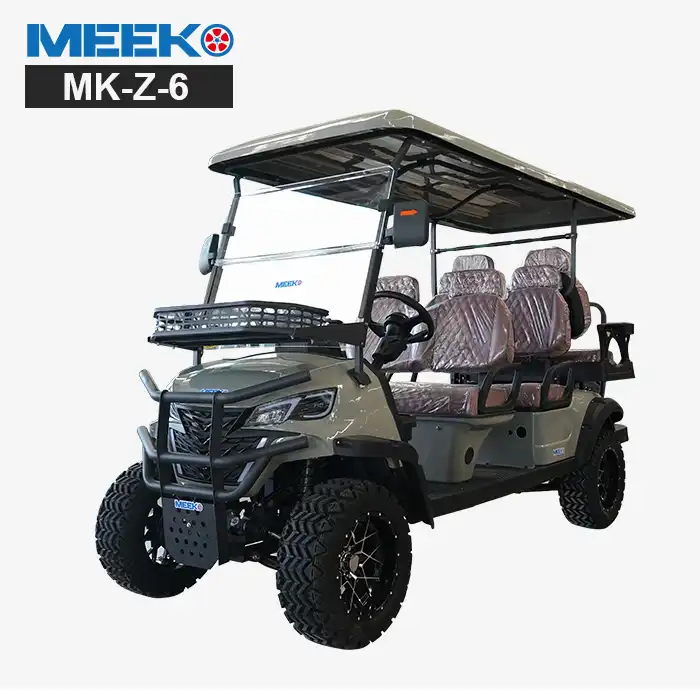
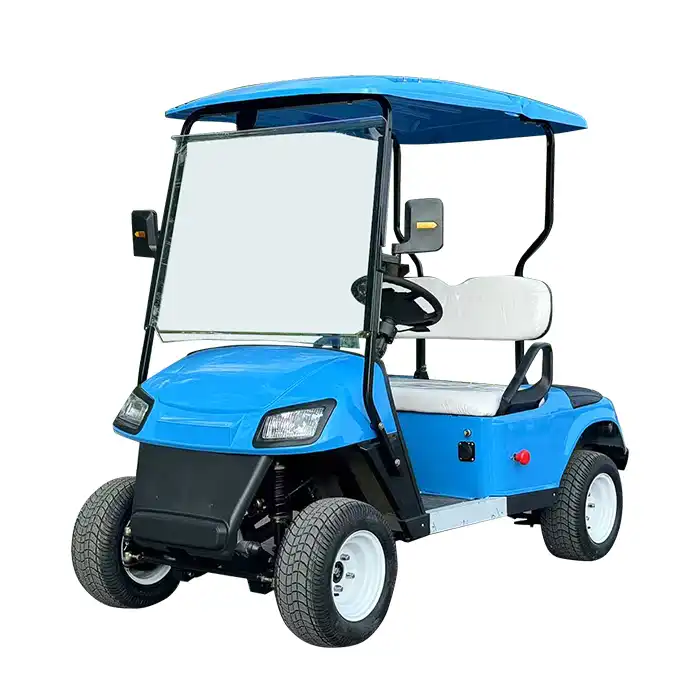
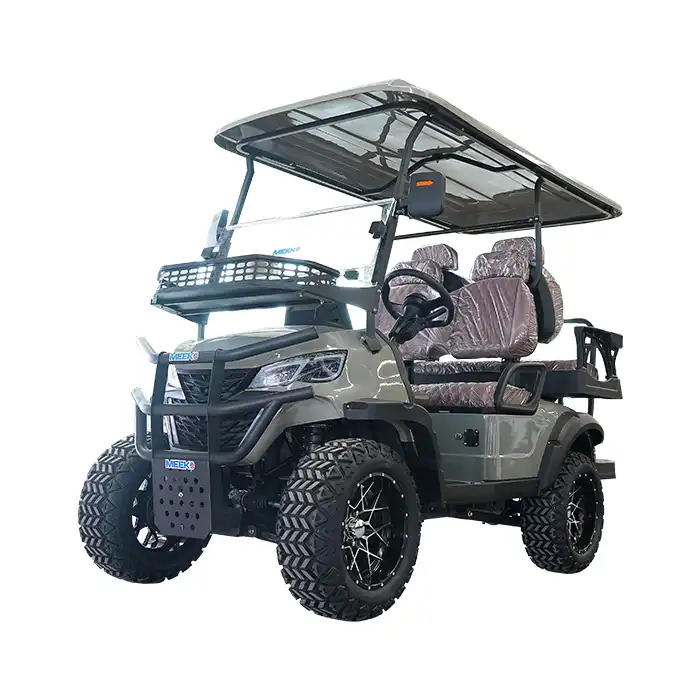
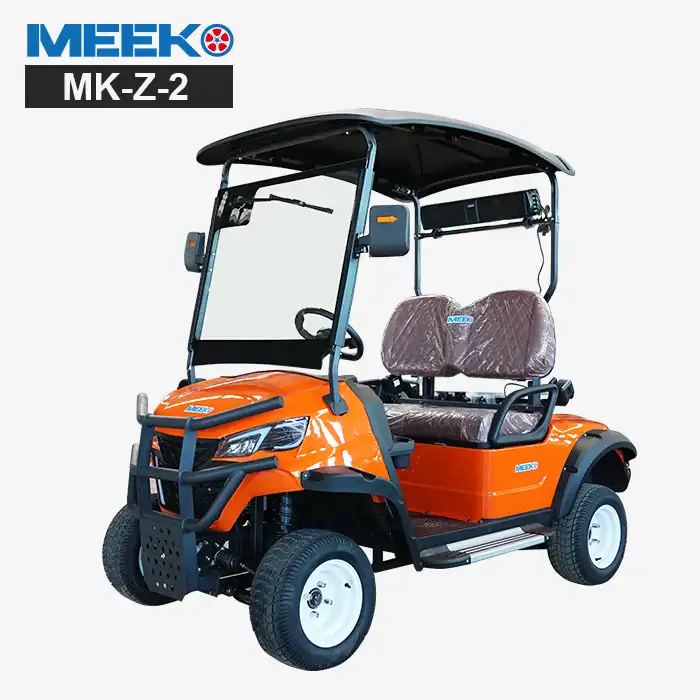
mini golf carts are becoming more and more popular because of their very small size, which provides unparalleled adaptability and affordability for a variety of commercial uses. For businesses looking for effective mobility in locations with limited space while retaining operational flexibility, these tiny electric cars provide the perfect option. Mini golf carts are very useful for companies that need quick mobility solutions without sacrificing dependability or performance because of their small size.
Understanding Mini Golf Carts and Their Unique Design
A specific class of electric vehicles designed to optimize efficiency while using the least amount of space is represented by micro golf carts. Compared to regular golf carts, which are sometimes more than ten feet long, these vehicles are usually between six and eight feet long. Superior mobility is made possible by the smaller size while maintaining necessary features like electric motors, comfortable seats, and useful storage spaces.
Core Design Features and Specifications
Mini golf carts are engineered to maximize space efficiency without compromising performance. The sophisticated lithium-ion battery systems used in modern mini golf carts allow for longer operating times without sacrificing their lightweight design. High-strength materials used in the compact frame design guarantee longevity while lowering the vehicle's total weight, which improves energy efficiency and prolongs battery life.
Technology Integration and Innovation
Modern mini golf carts have advanced control technologies that improve operating safety and user enjoyment. These cars include programmable speed controls that adjust to different operating conditions, digital display screens, and regenerative braking systems. Businesses may build cars in accordance with particular operating needs thanks to the wide range of customisation choices made possible by the modular design approach.
Key Benefits of Compact Mini Golf Carts for B2B Applications
Compact mini golf carts provide significant operational and financial benefits for corporate applications that go far beyond their small size. These cars perform well in situations when more conventional modes of transportation are unfeasible or ineffective.
Space Efficiency and Maneuverability
Mini golf carts' outstanding space economy is their main benefit. These vehicles are very adept at navigating tight corners, busy facilities, and limited roads. Effective parking and storage are made possible by the small footprint, which lowers the need for facility space and lets businesses make the most of existing operating spaces. This agility is especially useful in metropolitan business settings, resort facilities, and warehousing situations.
Cost-Effectiveness and Energy Efficiency
Through a variety of channels, mini golf carts provide exceptional cost-effectiveness. While lower energy consumption results in lower operating expenses, the cheaper purchase price as compared to full-size counterparts offers immediate financial advantages. Because there are fewer parts and simpler mechanical systems, maintenance needs are kept to a minimum, which lowers downtime and service costs. Over the course of the vehicle's operating life, the longer battery life and effective charging technologies help to reduce the overall cost of ownership.
Versatility and Customization Options
These vehicles' extensive modification options allow them to adapt to a wide range of applications. To satisfy certain operating requirements, organizations might alter the seating arrangements, cargo capacity, and specialist equipment installation. Mini golf carts are a sensible investment for multifunctional transportation needs because of their adaptability, which spans a variety of sectors from hospitality and healthcare to industrial and logistical applications.
Mini Golf Cart vs. Traditional Golf Cart: Making the Right Choice
When choosing between tiny golf carts and conventional models, operational needs, geographical limitations, and performance standards must all be carefully taken into account. Every choice has unique benefits that fit various company situations.
Performance and Capacity Comparisons
Compared to micro golf carts, which can only hold 2-4 people, traditional golf carts can hold 4-6 passengers and more goods. Mini golf carts, on the other hand, make up for this by being more agile and having a smaller turning radius, which allows them to reach places that are inaccessible to bigger vehicles. Depending on model characteristics and legal constraints, both categories may reach speeds of 15 to 25 mph.
Investment and Operational Considerations
Significant benefits for mini golf carts in certain applications are shown by the financial analysis. Compared to similar older models, initial investment costs are usually 20–30% cheaper, while operating costs go down as a result of simpler maintenance needs and less energy use. Mini golf carts provide a better return on investment for businesses with limited storage space or frequent mobility demands since they increase operational efficiency and need fewer facilities.
Purchasing and Procurement Guide for Mini Golf Carts
Purchasing small golf carts successfully requires a methodical assessment of many variables that affect operational performance and long-term value. Making decisions that are in line with organizational goals and operational needs is made possible by having a thorough understanding of these factors.
Essential Evaluation Criteria
The first step in the procurement process is a thorough evaluation of the operating environment, which includes use patterns, weather exposure, and topographical characteristics. Performance and endurance are impacted by the choice of battery type; lithium-ion solutions provide improved efficiency despite their higher starting price. Infrastructure for service support and warranty coverage are essential for reducing operating interruptions and safeguarding investment value.
Supplier Selection and Partnership Considerations
Evaluating production capabilities, customization choices, and after-sales support services are all important factors in selecting the best supplier. Well-known producers like Meeko provide extensive OEM services that allow for customized design solutions made to meet certain operating needs. Long-term operational continuity and cost control are greatly impacted by the availability of replacement parts, technical assistance, and service networks.
Practical Tips for Safe Operation and Effective Maintenance
Following set operating and maintenance guidelines is essential to maximizing the performance and lifespan of mini golf carts. Through longer vehicle life and reliable performance, these procedures safeguard investment value while guaranteeing user safety.
Operational Safety Guidelines
Proper operator training and adherence to set speed limits and load capacity limitations are the first steps in safe operation. Accidents may be avoided and safety rules can be upheld by regular inspections of safety systems, including illumination, steering, and braking systems. Clearly defining operating protocols for various climates and situations improves safety while maximizing vehicle performance.
Preventive Maintenance Strategies
Tire pressure checks, electrical system inspections, and battery health monitoring should all be part of regular maintenance plans. While routine cleaning and lubrication stop mechanical components from wearing out too soon, proper battery maintenance prolongs operating life and ensures constant performance. By putting in place systematic maintenance records, worn items may be replaced proactively, and any problems can be found before they cause expensive repairs or interruptions to operations.
Conclusion
For companies that need effective, flexible transportation options in confined spaces, mini golf carts provide outstanding value. While retaining the dependability and performance required for professional applications, the small design delivers notable benefits in operational flexibility, cost-effectiveness, and adaptability. Mini golf carts are a strategic investment that offers both immediate operational advantages and long-term financial value for organizations thinking about replacing or expanding their fleet. These vehicles are a wise investment for progressive companies in a variety of sectors because to their lower running costs, improved mobility, and customizable possibilities.
Frequently Asked Questions
What is the typical battery life of a mini golf cart?
A: Mini golf carts typically provide 8-12 hours of continuous operation on a single charge, depending on terrain conditions, load capacity, and driving patterns. Advanced lithium-ion battery systems can extend operational time to 15+ hours under optimal conditions.
Can mini golf carts operate effectively in industrial environments?
A: Mini golf carts are well-suited for light industrial applications, including facility maintenance, personnel transport, and light cargo movement. Their compact size and electric operation make them ideal for indoor environments where emissions and noise must be minimized.
How do maintenance costs compare between mini and traditional golf carts?
A: Mini golf carts generally require 20-30% lower maintenance costs due to simplified mechanical systems, fewer components, and reduced wear from their lighter weight. The compact design also makes routine maintenance tasks more accessible and time-efficient.
Contact Meeko for Your Mini Golf Cart Solution
Meeko specializes in producing high-end mini golf cart solutions for a variety of commercial uses. Our reasonable price, quick delivery, and wide range of customization options guarantee that your company will have the ideal vehicle configuration for your operating requirements. We offer full support for the duration of your vehicle's operating life with our huge parts inventory and comprehensive OEM services. Find out how our small electric cars may save operating costs and improve your mobility efficiency. Contact us at sales@mingkomach.com to discuss your mini golf cart supplier requirements and explore our complete product range at meekocars.com.
References
1. Johnson, M. et al. "Electric Vehicle Efficiency in Commercial Applications: A Comprehensive Analysis." Journal of Sustainable Transportation Technology, 2023.
2. Smith, R. "Compact Vehicle Design Principles and Industrial Applications." International Conference on Electric Mobility Solutions, 2022.
3. Anderson, K. "Cost-Benefit Analysis of Mini Electric Vehicles in Business Operations." Business Transportation Quarterly, Vol. 45, 2023.
4. Chen, L. "Battery Technology Advances in Small Electric Vehicles." Energy Storage and Management Review, 2023.
5. Williams, D. "Safety Standards and Operational Guidelines for Mini Golf Carts." Industrial Safety and Equipment Journal, 2022.
6. Thompson, S. "Fleet Management Optimization through Compact Electric Vehicles." Logistics and Transportation Management Annual, 2023.