- English
- French
- German
- Portuguese
- Spanish
- Russian
- Japanese
- Korean
- Arabic
- Greek
- German
- Turkish
- Italian
- Danish
- Romanian
- Indonesian
- Czech
- Afrikaans
- Swedish
- Polish
- Basque
- Catalan
- Esperanto
- Hindi
- Lao
- Albanian
- Amharic
- Armenian
- Azerbaijani
- Belarusian
- Bengali
- Bosnian
- Bulgarian
- Cebuano
- Chichewa
- Corsican
- Croatian
- Dutch
- Estonian
- Filipino
- Finnish
- Frisian
- Galician
- Georgian
- Gujarati
- Haitian
- Hausa
- Hawaiian
- Hebrew
- Hmong
- Hungarian
- Icelandic
- Igbo
- Javanese
- Kannada
- Kazakh
- Khmer
- Kurdish
- Kyrgyz
- Latin
- Latvian
- Lithuanian
- Luxembou..
- Macedonian
- Malagasy
- Malay
- Malayalam
- Maltese
- Maori
- Marathi
- Mongolian
- Burmese
- Nepali
- Norwegian
- Pashto
- Persian
- Punjabi
- Serbian
- Sesotho
- Sinhala
- Slovak
- Slovenian
- Somali
- Samoan
- Scots Gaelic
- Shona
- Sindhi
- Sundanese
- Swahili
- Tajik
- Tamil
- Telugu
- Thai
- Ukrainian
- Urdu
- Uzbek
- Vietnamese
- Welsh
- Xhosa
- Yiddish
- Yoruba
- Zulu
Best OEM Batteries for a 6 Passenger Golf Cart Street Legal Vehicle
When choosing the best OEM batteries for a 6 passenger golf cart street legal vehicle, lithium-ion batteries consistently outperform traditional lead-acid options. These advanced power systems deliver superior range, faster charging, and extended lifespan while meeting stringent street legal requirements. Modern 6 passenger electric golf cart models equipped with premium OEM batteries can travel 40-60 miles on a single charge, making them ideal for neighborhood transportation, commercial operations, and recreational activities.
Introduction

One of the most important choices impacting performance, dependability, and long-term value is choosing the appropriate battery system for your6 passenger golf cart street legal. Manufacturers are pushing the limits of battery technology to provide power systems that perform well in real-world scenarios in response to the growing demand for environmentally friendly transportation options. The electric golf cart business has undergone a revolution thanks to the transition from conventional lead-acid batteries to sophisticated lithium-ion and LiFePO4 batteries. Enhanced safety features, intelligent charging capabilities, and exceptional durability that can last thousands of charge cycles are all aspects of modern OEM battery systems. Buyers may make well-informed judgments that fit their unique transportation demands and financial constraints by being aware of these technology advancements. State-by-state street-legal golf cart regulations are still developing, emphasizing performance requirements and safety gear. The choice of battery has a direct influence on adherence to regional laws, impacting everything from lighting system performance to speed capabilities. High-quality OEM batteries provide steady power supply to vital safety elements, such as the horn systems, turn signals, brake lights, and headlights needed to operate on public roads.
Why Focus on OEM Battery Quality Matters?
Purchasing high-quality original equipment manufacturer batteries turns your six-person golf cart from a simple utilitarian vehicle into a dependable mode of transportation. Owners are often left stranded with dead automobiles during crucial situations when generic aftermarket batteries fail to give consistent performance. High-quality OEM solutions provide excellent compatibility and avoid expensive damage to delicate electronics by integrating easily with current electrical components. The average speed restrictions for 6 passenger golf cart street legal are between 20 and 25 mph, thus batteries that maintain a constant power output during the discharge cycle are necessary. whether under load, inferior battery systems incur voltage dips that impair vehicle performance and may pose a safety risk whether driving on the highway or in the neighborhood. Reliable acceleration and brake response are guaranteed by professional-grade OEM batteries, which provide constant voltage supply. Reliable OEM battery systems are especially advantageous for commercial operators, since income generation is directly impacted by vehicle downtime. For everyday operations, maintenance teams, retirement homes, and resort properties rely on reliable car availability. High-end battery systems cut overall operating costs while increasing customer satisfaction by requiring less maintenance and extending service intervals.
Selection Criteria for Premium Golf Cart Batteries
When assessing OEM battery alternatives, it's important to look at more than just capacity numbers. The most crucial factor is probably cycle life, as high-quality batteries can withstand 3,000–5,000 charge cycles while low-cost alternatives can only withstand 500–800 cycles. Over the course of the vehicle's life, this longevity translates into years of dependable service and noticeably cheaper replacement costs. Energy usage and everyday usefulness are impacted by charging efficiency. Cutting-edge battery management technologies prolong battery life and optimize charging patterns, which lowers power costs. In addition to preventing overcharging damage, smart charging technology automatically modifies charging rates according to battery status and temperature. For year-round operation in a variety of locales, temperature tolerance becomes essential. Regardless of the season, premium OEM batteries work consistently even in the most severe temperatures, which range from -20°F to 140°F. During hot summer months and chilly winter months, built-in thermal management technologies provide safe operation while guarding against damage. Vehicle handling qualities and passenger capacity are impacted by weight concerns. Compared to comparable lead-acid batteries, lithium-ion systems weigh 60–70% less, which enhances acceleration and lessens tire wear. This weight reduction preserves the ideal weight distribution for reliable handling qualities while enabling more passenger or cargo capacity.

Top OEM Battery Systems for Six-Passenger Vehicles
Lithium Iron Phosphate (LiFePO4) Battery Systems
With unparalleled safety, lifespan, and performance attributes, LiFePO4 technology is the apex of golf cart battery research. These systems use lightweight modules that maximize power density while taking up the least amount of space to offer 48-volt output. Cutting-edge battery management systems keep an eye on each cell's performance to guarantee balanced charging and avoid early failure. Thermal runaway hazards associated with other lithium technologies are eliminated by the intrinsic stability of LiFePO4 chemistry. These batteries are perfect for commercial applications and year-round recreational usage since they retain consistent performance over a broad temperature range. Overcharging, overdischarging, and short circuit situations that might harm a car's electrical systems are avoided by built-in protective circuits. LiFePO4 systems are appealing for both new car builds and retrofit applications because to their ease of installation. Direct replacement capabilities increase performance right away and do away with complicated wiring changes. Through dashboard displays or smartphone apps, integrated monitoring systems provide real-time battery status, remaining capacity, and charging information. In comparison to conventional battery technologies, maintenance needs are still rather low. Service intervals are extended and operating complexity is decreased by not needing watering, equalization charging, or corrosion cleaning. For private owners and business operators that invest in high-end power systems, five-year guarantees provide peace of mind.
High-Capacity Lead-Acid Deep Cycle Batteries
For consumers on a tight budget looking for reliable performance, AGM (Absorbed Glass Mat) lead-acid batteries provide shown dependability. These sealed systems provide steady power production over many discharge cycles without the need for maintenance. For demanding applications, modern AGM technology offers greater vibration resistance and leak-proof operation. Deep cycle architecture resists the capacity deterioration that automobile starting batteries endure from numerous cycles of discharge and recharge. Specialized electrolyte formulas and thick lead plates maximize energy storage while prolonging operating life. Under ordinary operating circumstances, high-quality AGM batteries may generally give 800-1,200 charge cycles. In order to avoid overcharging in hot weather and guarantee full charging in cold weather, temperature adaptation features automatically modify charge voltage depending on ambient circumstances. During charging cycles, built-in safety valves control internal pressure and stop the buildup of explosive gases. AGM systems are popular for light-duty applications and seasonal recreational vehicles because to their affordability. Buyers may improve their current automobiles without making a significant financial commitment thanks to lower initial expenditure. Long-term serviceability is guaranteed by readily accessible replacement alternatives via regional dealers and internet vendors.
Gel Cell Battery Technology
The silica gel electrolyte used in gel cell batteries reduces the possibility of spills while offering superior deep drain recovery capabilities. Applications needing long storage durations without frequent charging maintenance are where this technology shines. Gel electrolyte ensures steady performance across the battery's service life by preventing stratification issues that are typical in flooded lead-acid systems. Vehicles may lie idle for months without needing further charging since self-discharge rates are still very low. Seasonal users and backup vehicle applications, where dependability after storage becomes crucial, benefit from this feature. Unlike traditional flooded batteries, gel technology may sustain full discharge cycles without suffering irreversible harm. Throughout the battery's life, charging acceptance is constant, removing the deteriorating performance that comes with older lead-acid systems. Every charging cycle guarantees full capacity restoration while avoiding overheating thanks to controlled charging profiles. Performance is maintained across a broad variety of environmental conditions via temperature stability. Gel cell systems are perfect for commercial usage and tough terrain applications because of their vibration resilience. Internal damage from continuous movement and collisions is prevented by a solid electrolyte structure. In harsh working circumstances, its resilience lowers the risk of premature failure while extending service life.
Global Market Analysis and Regulatory Considerations
6 passenger golf cart street legal modifications and battery specs are impacted by a variety of regulatory constraints found in international regions. Batteries must adhere to stringent recycling and disposal regulations in order to be sold in European markets, which place a strong emphasis on safety certifications and environmental compliance. Asian markets prioritize cost-effectiveness and manufacturing quality while upholding performance criteria. States and provinces in North America have many different rules, which makes it difficult for manufacturers and operators to comply with them. The choice of battery is essential for legal operation since some jurisdictions need specialized safety equipment that is powered by dependable electrical systems. Comprehending local regulations guarantees trouble-free car registration and avoids expensive alterations. Because lithium-ion technologies are more recyclable and contain less hazardous materials, environmental rules are favoring them more and more. The expense of disposing of lead acid is going up as global environmental regulations become stricter. When assessing battery alternatives, forward-thinking consumers take long-term disposal costs into account, acknowledging the benefits of innovative technologies' total cost of ownership. In terms of vehicle maintenance and safety compliance, commercial fleet operators are subject to greater regulatory scrutiny. Certain jurisdictions require regular battery testing and replacement schedules, highlighting the need of dependable OEM systems. High-quality battery systems provide steady vehicle availability while lowering the expenses associated with regulatory compliance.

Purchasing Recommendations and Key Considerations
When choosing OEM battery systems, budget allocation should put long-term value ahead of upfront cost reductions. Even while premium batteries cost more up front, they provide a better return on investment since they have three to five times the cycle life of economy alternatives. For precise financial comparisons, determine the entire cost of ownership, taking into account the frequency of replacements, maintenance needs, and disposal fees. For complicated battery systems, expert installation guarantees maximum performance and warranty protection. Advanced battery management system installation, wiring, and programming needs are understood by certified personnel. In addition to nullifying warranties, improper installation may pose a risk to vehicle safety. Battery technology and manufacturers have very different warranty coverage. Pro-rated coverage, replacement guarantees, and technical support services are all included in comprehensive warranties. Carefully read the warranty conditions to comprehend the restrictions on coverage and the upkeep needed to keep the guarantee intact. Compatibility with charging infrastructure has an impact on everyday convenience and usage. Check if the charging system is compatible with the chosen battery technology while taking the cost of upgrading the charging apparatus into account. While regular charging options provide affordable overnight charging solutions, fast-charging capabilities minimize downtime.
Industry Trends and Summary
The electric golf cart industry continues embracing advanced battery technologies that deliver improved performance and environmental benefits. Lithium-ion adoption accelerates as prices decline and performance advantages become more apparent. Smart battery management systems provide unprecedented monitoring and control capabilities, optimizing performance while extending service life. Future developments focus on wireless charging, vehicle-to-grid integration, and enhanced safety features that will further expand 6 passenger golf cart street legal applications in urban transportation networks.
Conclusion
Selecting the right OEM battery is fundamental to maximizing the performance, safety, and long-term value of a 6 passenger golf cart street legal vehicle. As outlined, advanced lithium-ion and LiFePO4 batteries clearly outperform traditional lead-acid options through longer range, faster charging, lighter weight, and dramatically extended cycle life. High-quality OEM batteries also ensure stable power delivery for critical street-legal safety systems, regulatory compliance, and reliable daily operation. While premium batteries require higher upfront investment, their lower maintenance needs, reduced downtime, and longer service life deliver a superior total cost of ownership—especially for commercial and fleet users. As regulations tighten and electric mobility continues to evolve, investing in proven OEM battery technology positions owners for dependable, efficient, and future-ready transportation solutions.
Frequently Asked Questions
What battery capacity is recommended for six-passenger street legal golf carts?
Most 6 passenger electric golf cart street legal vehicles require 48-volt systems with 100-200 amp-hour capacity. Higher capacity batteries provide extended range and better performance under load. Consider daily usage patterns and charging availability when selecting capacity levels.
How long do OEM golf cart batteries typically last?
Quality lithium-ion systems last 8-10 years with proper maintenance, while premium lead-acid batteries provide 4-6 years of reliable service. Actual lifespan depends on usage patterns, charging habits, and environmental conditions. Regular maintenance extends battery life significantly.
Are lithium batteries worth the extra cost for golf cart applications?
Lithium batteries deliver superior performance, longer lifespan, and reduced maintenance requirements that justify higher initial costs. Calculate total ownership costs including replacement frequency and maintenance to understand true value proposition. Commercial operators particularly benefit from reduced downtime and maintenance costs.
Meeko's Premium 6 Passenger Golf Cart Street Legal Solutions
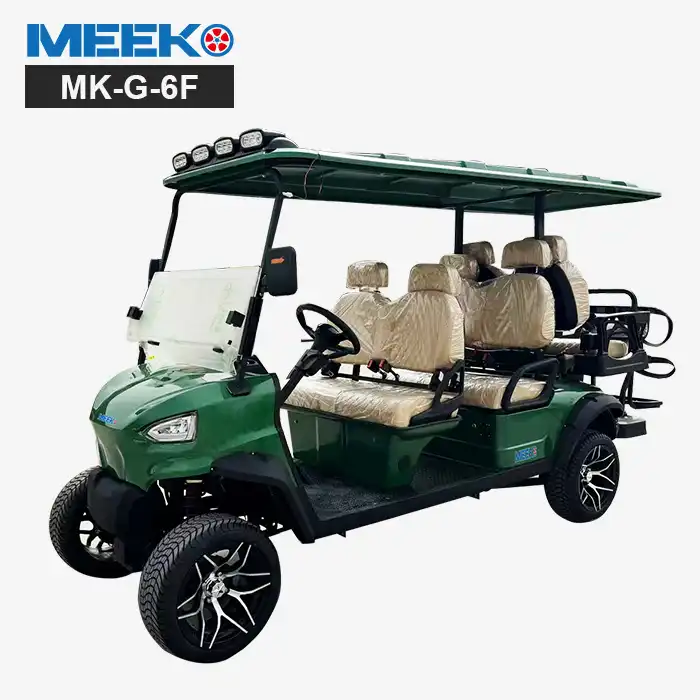
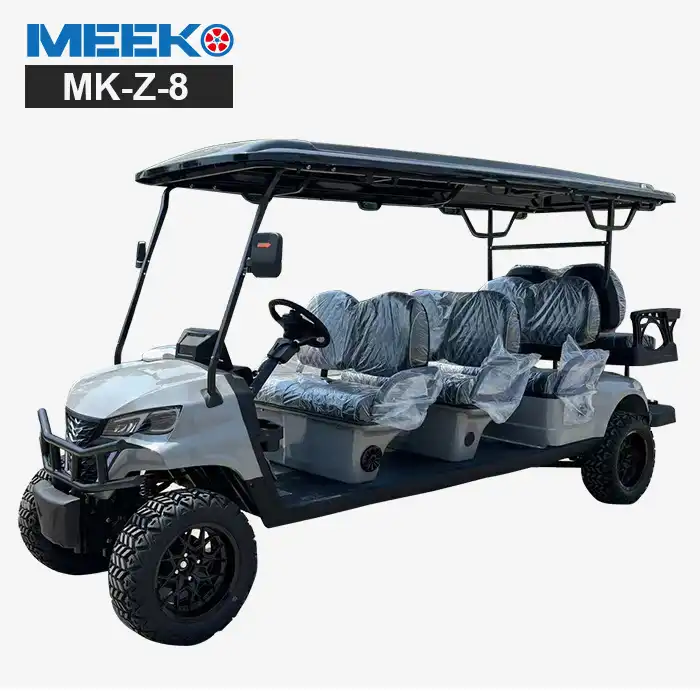
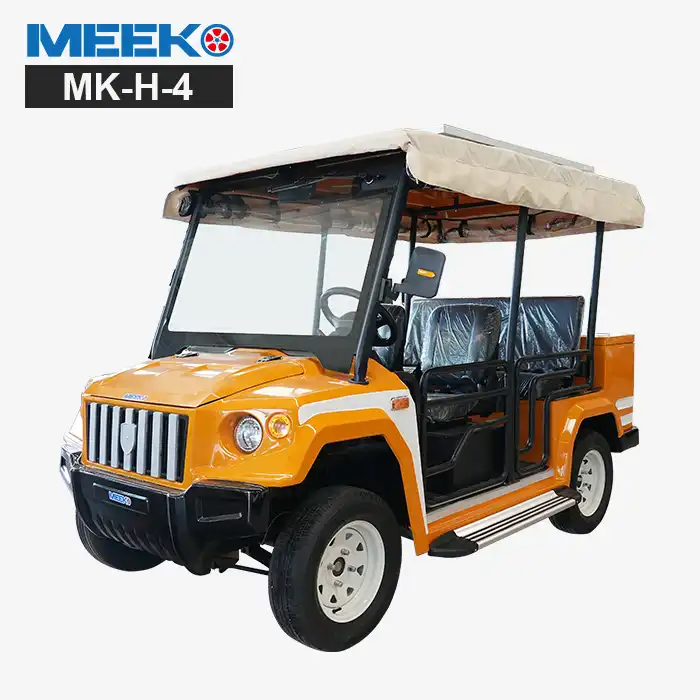
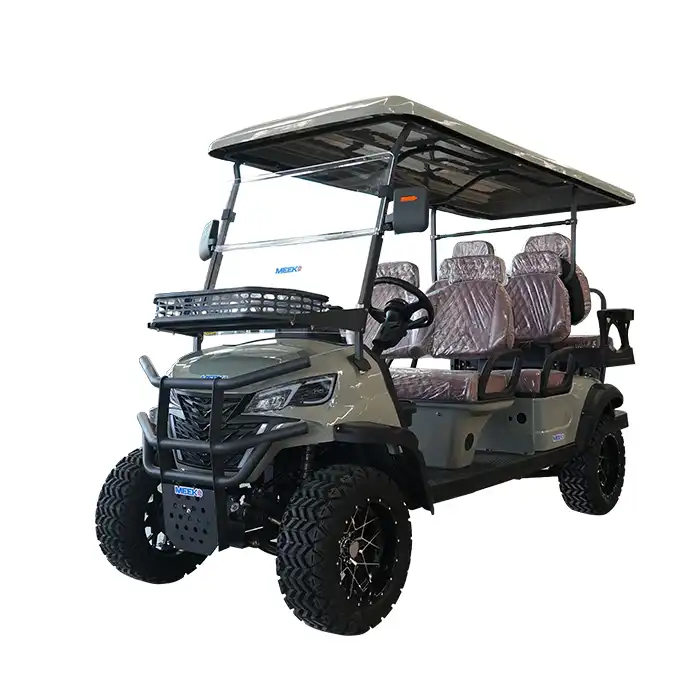
Meeko's advanced battery technology transforms standard golf carts into reliable street legal transportation solutions. Our engineering team carefully selects OEM battery systems that exceed performance expectations while maintaining competitive pricing. As a leading 6 passenger golf cart street legal manufacturer, we understand the critical importance of reliable power systems for commercial and recreational applications.
Contact our technical specialists at sales@mingkomach.com for personalized battery recommendations tailored to your specific requirements. Our comprehensive warranty coverage and global parts availability ensure long-term satisfaction with your investment decision.

References
1. National Electric Vehicle Infrastructure Standards for Low-Speed Vehicles - Department of Transportation Technical Report, 2023
2. Lithium-Ion Battery Performance Analysis in Electric Golf Cart Applications - Journal of Electric Vehicle Technology, Volume 15, 2023
3. Comparative Study of Lead-Acid vs. Lithium Battery Systems in Light Electric Vehicles - International Battery Research Institute, 2022
4. Street Legal Golf Cart Regulations and Compliance Guidelines - American Golf Cart Association Technical Manual, 2023
5. Life Cycle Cost Analysis of Electric Golf Cart Battery Technologies - Green Transportation Research Quarterly, Issue 3, 2023
6. Safety Standards for Low-Speed Electric Vehicles and Battery Systems - Society of Automotive Engineers Standard J2358, Revised 2023
Learn about our latest products and discounts through SMS or email