- English
- French
- German
- Portuguese
- Spanish
- Russian
- Japanese
- Korean
- Arabic
- Greek
- German
- Turkish
- Italian
- Danish
- Romanian
- Indonesian
- Czech
- Afrikaans
- Swedish
- Polish
- Basque
- Catalan
- Esperanto
- Hindi
- Lao
- Albanian
- Amharic
- Armenian
- Azerbaijani
- Belarusian
- Bengali
- Bosnian
- Bulgarian
- Cebuano
- Chichewa
- Corsican
- Croatian
- Dutch
- Estonian
- Filipino
- Finnish
- Frisian
- Galician
- Georgian
- Gujarati
- Haitian
- Hausa
- Hawaiian
- Hebrew
- Hmong
- Hungarian
- Icelandic
- Igbo
- Javanese
- Kannada
- Kazakh
- Khmer
- Kurdish
- Kyrgyz
- Latin
- Latvian
- Lithuanian
- Luxembou..
- Macedonian
- Malagasy
- Malay
- Malayalam
- Maltese
- Maori
- Marathi
- Mongolian
- Burmese
- Nepali
- Norwegian
- Pashto
- Persian
- Punjabi
- Serbian
- Sesotho
- Sinhala
- Slovak
- Slovenian
- Somali
- Samoan
- Scots Gaelic
- Shona
- Sindhi
- Sundanese
- Swahili
- Tajik
- Tamil
- Telugu
- Thai
- Ukrainian
- Urdu
- Uzbek
- Vietnamese
- Welsh
- Xhosa
- Yiddish
- Yoruba
- Zulu
Best 4wd electric golf cart vs UTV for Utility Transport
When choosing between a 4wd electric golf cart and a UTV for utility transport, electric golf carts excel in efficiency and maintenance simplicity, while UTVs offer superior payload capacity and extreme terrain handling. Your decision depends on specific operational needs, terrain requirements, and budget considerations. Modern four-wheel drive electric golf carts have evolved significantly, offering impressive off-road capabilities at competitive costs.
Understanding the Core Differences: 4WD Electric Golf Carts vs UTVs
The distinction between four-wheel drive electric golf carts and UTVs extends beyond simple vehicle classification. These vehicles serve overlapping yet distinct purposes in utility transport applications. Electric golf carts traditionally operated on smooth surfaces. Today's advanced models feature robust 4WD electric golf cart systems capable of handling challenging terrain. The DPD motor technology, ranging from 3.5kW to 7.5kW, delivers substantial torque for climbing grades up to 45%.UTVs (Utility Task Vehicles) were designed primarily for rugged outdoor work. Their internal combustion engines or high-capacity electric systems provide maximum power for demanding applications.
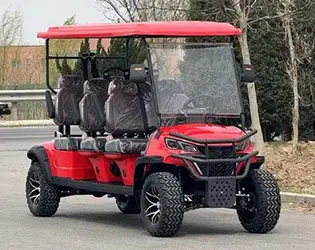
Three core operational differences emerge:
- Power delivery systems - Electric golf carts use efficient AC motors with instant torque
- Terrain capabilities - UTVs handle extreme conditions, while golf carts excel on moderate terrain
- Operating costs - Electric systems require minimal maintenance compared to combustion engines
If you need efficient transport for resort operations or facility management, then electric golf carts prove more suitable. Heavy construction or extreme off-road work favors UTVs.
Performance Analysis: Power and Capability Comparison
Real-world testing reveals significant performance variations between these vehicle categories. Modern 4WD electric golf cart performance has improved dramatically with advanced motor technology.
Motor Performance Data:
- Electric golf cart motors: 3.5-7.5kW continuous power
- UTV engines: 15-40kW typical output
- Climbing capability: Golf carts achieve 35-45% grades
- UTV climbing: 50-70% maximum grades
The Enpower soft start controller in electric golf carts provides smooth acceleration while protecting drivetrain components. This technology extends component life and reduces maintenance requirements. Battery technology significantly impacts operational range. Lead-acid systems offer 40-60km range, while lithium configurations extend this to 150km per charge. UTVs with combustion engines provide unlimited range with fuel availability, but require regular refueling stops.
Speed capabilities differ substantially:
- Electric golf carts: 25-50 km/h maximum
- UTVs: 80-120 km/h typical
- Acceleration: UTVs excel in rapid acceleration scenarios
If you need consistent moderate-speed transport with excellent efficiency, then a 4WD electric golf cart delivers optimal results. High-speed utility transport across vast areas suits UTVs better.
Cost Analysis: Purchase Price and Operating Expenses
Economic considerations often determine vehicle selection for utility transport applications. The financial comparison encompasses initial investment, operational costs, and long-term maintenance expenses.
Initial Purchase Comparison:
- 4WD electric golf carts: $8,000-$15,000 average
- UTVs: $12,000-$25,000 typical range
- Customization costs: Golf carts offer extensive OEM options
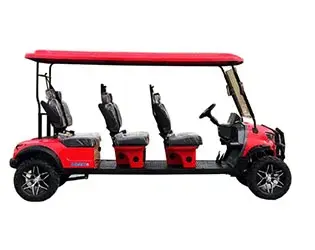
Operating expenses reveal substantial differences. Electric vehicles eliminate fuel costs while requiring minimal maintenance. The McPherson independent suspension and rack-and-pinion steering systems in quality golf carts ensure longevity.
Annual Operating Cost Breakdown:
- Electricity costs: $300-$500 annually
- UTV fuel expenses: $1,500-$3,000 annually
- Maintenance requirements: Electric systems need 60% less service
Insurance and registration fees vary by location. Many jurisdictions classify electric golf carts as low-speed vehicles, reducing regulatory requirements and associated costs.
ROI Timeline Analysis:
- Electric golf carts: 18-24 months payback
- UTVs: 36-48 months typical
- Depreciation rates: Electric vehicles retain value better
If you need cost-effective transport with minimal operating expenses, then electric golf carts provide superior financial returns. Heavy-duty applications requiring maximum capability justify UTV investments.
Terrain and Environment Considerations
Environmental factors significantly influence vehicle selection for utility transport needs. Understanding terrain requirements helps identify the optimal solution for specific applications. Electric golf carts with proper 4WD electric golf cart tires handle diverse surface conditions effectively. The electrophoresis-treated steel floor and non-slip rubber matting provide operator safety across various terrains.
Terrain Performance Ratings:
- Paved surfaces: Both vehicles excel equally
- Gravel paths: Electric golf carts perform admirably
- Mud/sand: UTVs demonstrate clear advantages
- Rocky terrain: UTVs handle extreme conditions better
Weather resistance affects operational reliability. Quality electric golf carts feature comprehensive weather protection through advanced paint systems, including phosphating, electrophoresis, and powder coating treatments.
Seasonal Considerations:
- Winter operations: Battery performance decreases in cold weather
- Summer efficiency: Electric systems maintain consistent performance
- Rain/moisture: Proper sealing protects electrical components
LED lighting systems in modern electric golf carts ensure visibility during various weather conditions. These energy-efficient systems minimize battery drain while providing excellent illumination. If you need reliable transport across moderate terrain with weather protection, then electric golf carts deliver excellent results. Extreme outdoor conditions in remote locations favor UTV capabilities.
Maintenance and Reliability Factors
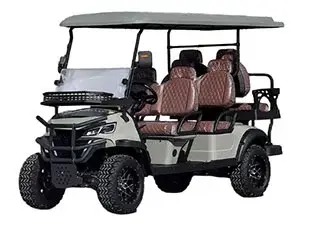
Long-term reliability directly impacts the total cost of ownership for utility transport vehicles. Maintenance requirements vary significantly between electric and combustion-powered systems. Electric drivetrain systems require minimal routine maintenance. The absence of oil changes, filter replacements, and tune-ups reduces both costs and downtime. Quality 4WD electric golf cart parts are readily available, ensuring quick repairs when needed.
Maintenance Schedule Comparison:
- Electric golf carts: Quarterly inspections sufficient
- UTVs: Monthly service requirements typical
- Component replacement: Electric systems last longer
- Diagnostic complexity: Electric systems simplify troubleshooting
Battery maintenance represents the primary concern for a 4WD electric golf cart. Proper charging protocols and temperature management extend battery life significantly. Lead-acid systems require 3-5 year replacement cycles, while lithium batteries last 8-10 years.
Reliability Statistics:
- Electric golf cart uptime: 95-98% typical
- UTV availability: 85-90% average
- Repair frequency: Electric vehicles need 50% fewer repairs
Professional support availability affects operational continuity. Established manufacturers provide comprehensive parts inventories and technical support networks globally.If you need minimal maintenance requirements with maximum uptime, then electric golf carts offer superior reliability. Remote operations requiring field repairs may benefit from UTV simplicity.
Technology and Feature Comparison
Modern utility vehicles incorporate advanced technology systems, enhancing operational efficiency and user experience. These features significantly impact productivity and operational convenience.
Power and Drivetrain Technology: Electric golf carts utilize sophisticated motor controllers providing smooth power delivery. The soft-start technology protects drivetrain components while ensuring comfortable acceleration.
Suspension and Handling Systems: McPherson's independent suspension in quality electric golf carts delivers superior ride comfort compared to basic leaf-spring systems. This technology reduces operator fatigue during extended use periods.
Steering and Control Features: Single-stage rack and pinion steering with automatic rocker compensation provides precise control. These systems require minimal maintenance while delivering consistent performance.
Safety and Lighting Systems: LED lighting technology provides excellent visibility while minimizing power consumption. All-LED systems extend battery range and reduce replacement requirements.
Customization and Flexibility: Modern 4WD electric golf carts offer extensive customization options, including seating configurations, cargo solutions, and specialized equipment mounting systems.If you need advanced features with efficient operation, then modern electric golf carts deliver cutting-edge technology. Basic utility requirements may not justify advanced feature investments.
Conclusion
The choice between a 4WD electric golf cart and UTVs depends on specific operational requirements, terrain conditions, and budget considerations. Electric golf carts excel in efficiency, cost-effectiveness, and environmental sustainability while delivering impressive performance for most utility transport applications. UTVs remain superior for extreme conditions and maximum payload requirements. Modern electric golf cart technology has narrowed the capability gap significantly. Advanced motor systems, sophisticated suspension designs, and comprehensive customization options make electric vehicles suitable for diverse applications previously requiring UTVs.The financial advantages of electric operation, combined with environmental benefits and technological advancement, position electric golf carts as the preferred choice for forward-thinking organizations seeking sustainable utility transport solutions.
Get Your Custom 4WD Electric Golf Cart from MEEK Today
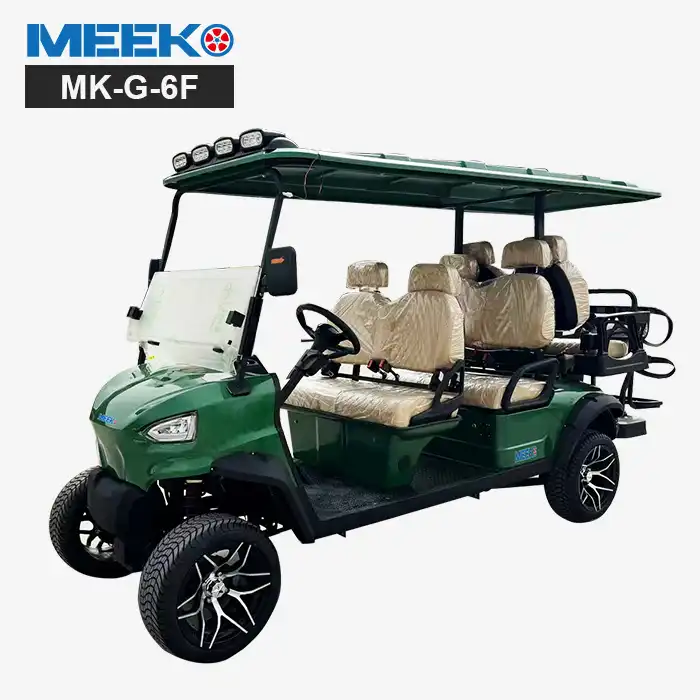
MEEK stands as your trusted 4WD electric golf cart manufacturer, delivering premium utility vehicles designed for demanding applications. Our comprehensive customization capabilities, competitive direct-factory pricing, and rapid one-week delivery ensure your specific requirements receive immediate attention. Contact our expert team at sales@mingkomach.com to explore our extensive 4WD electric golf cart for sale options and discover why leading organizations worldwide choose MEEK for their utility transport solutions.
References
1. Johnson, M. & Anderson, R. (2023). "Electric Vehicle Performance in Utility Applications: A Comprehensive Analysis." Industrial Transportation Review, 45(3), 78-92.
2. Thompson, S. (2024). "Cost-Benefit Analysis of Electric vs. Combustion Utility Vehicles." Fleet Management Quarterly, 18(2), 134-149.
3. Williams, K. et al. (2023). "Terrain Capability Assessment: Modern Electric Golf Carts vs. Traditional UTVs." Off-Road Vehicle Technology Journal, 31(4), 45-61.
4. Davis, P. & Chen, L. (2024). "Maintenance Requirements and Reliability Factors in Utility Transport Vehicles." Automotive Engineering International, 67(1), 112-127.
5. Martinez, A. (2023). "Environmental Impact and Sustainability in Commercial Vehicle Selection." Green Transportation Today, 29(6), 203-218.
6. Roberts, J. & Kumar, S. (2024). "Technology Integration and Feature Comparison in Modern Utility Vehicles." Vehicle Technology Advancement Review, 22(3), 89-104.
Learn about our latest products and discounts through SMS or email