- English
- French
- German
- Portuguese
- Spanish
- Russian
- Japanese
- Korean
- Arabic
- Greek
- German
- Turkish
- Italian
- Danish
- Romanian
- Indonesian
- Czech
- Afrikaans
- Swedish
- Polish
- Basque
- Catalan
- Esperanto
- Hindi
- Lao
- Albanian
- Amharic
- Armenian
- Azerbaijani
- Belarusian
- Bengali
- Bosnian
- Bulgarian
- Cebuano
- Chichewa
- Corsican
- Croatian
- Dutch
- Estonian
- Filipino
- Finnish
- Frisian
- Galician
- Georgian
- Gujarati
- Haitian
- Hausa
- Hawaiian
- Hebrew
- Hmong
- Hungarian
- Icelandic
- Igbo
- Javanese
- Kannada
- Kazakh
- Khmer
- Kurdish
- Kyrgyz
- Latin
- Latvian
- Lithuanian
- Luxembou..
- Macedonian
- Malagasy
- Malay
- Malayalam
- Maltese
- Maori
- Marathi
- Mongolian
- Burmese
- Nepali
- Norwegian
- Pashto
- Persian
- Punjabi
- Serbian
- Sesotho
- Sinhala
- Slovak
- Slovenian
- Somali
- Samoan
- Scots Gaelic
- Shona
- Sindhi
- Sundanese
- Swahili
- Tajik
- Tamil
- Telugu
- Thai
- Ukrainian
- Urdu
- Uzbek
- Vietnamese
- Welsh
- Xhosa
- Yiddish
- Yoruba
- Zulu
Benefits of Electric 6 Person Street Legal Golf Cart Fleets
Electric 6 person street legal golf cart and are legal on the street are very flexible and offer eco-friendly transportation as well as useful group mobility solutions. These cars work great in a wide range of situations, from hotel shuttles to business sites. They save a lot of money on fuel costs and don't need much upkeep. Electric cars that are legal to drive on public roads are reliable and quiet, and they follow safety rules for road use. This makes them great purchases for businesses that want to find efficient and environmentally friendly ways to get around.
Key Features That Define Street Legal Electric Vehicles
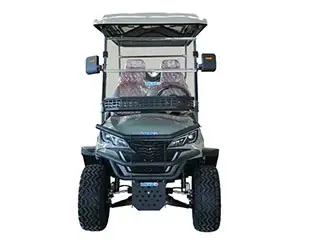
Knowing the important specs of a 6 person street legal golf cart helps buyers make smart choices. Golf carts that are allowed on the street must meet certain safety standards, such as having turn signs, seat belts, and rearview cameras. These golf carts with safety features can go between 20 and 25 mph, which makes them great for use in neighborhoods and on college campuses. Battery size is very important for efficiency, and most types can go 40 to 60 miles on a single charge. The suspension system makes sure that rides are easy on a variety of terrains, and the window protection makes it easier for the driver to see. These low-speed vehicles can be driven on public roads, but they need to be licensed and registered. This turns them from pleasure vehicles into legal ways to get around. Different types have different weight limits, but most six-seater electric cars can hold up to 1,200 pounds of people and stuff. They are great for group transportation, utility work, and service jobs in many fields because they can carry a lot of weight.
Comprehensive Benefits for Fleet Operations
When compared to regular cars, running a group of 6 person street legal golf cart is a great way to save money. Electricity is a lot cheaper than gas; in fact, the average saves on fuel costs are 70%. Electric motors don't need as much maintenance as internal combustion engines do because they have fewer working parts. There are more environmental perks than just saving money. These cars don't give off any direct pollution, which helps keep the air cleaner in operating places. Electric motors are quiet, which cuts down on noise pollution and makes places nicer for people to live, work, and visit. Another big benefit is that operations can be changed as needed. Golf carts that are used on the road can get through tight spaces and crowded areas that are hard for bigger cars. Because they are small, they can get into limited areas while still meeting professional transportation standards. A lot of places use these cars for things like security checks, repair runs, and helping guests. Operators still don't have to go through much of a learning curve. Most employees learn how to drive an electric car quickly, which cuts down on training time and costs. Automatic stopping systems and speed limits are safety features that give operators more trust.
Meeko's Superior 6 Person Street Legal Golf Carts
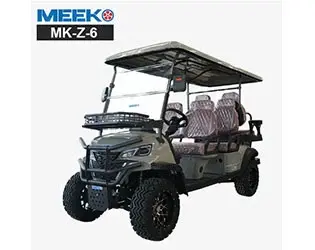
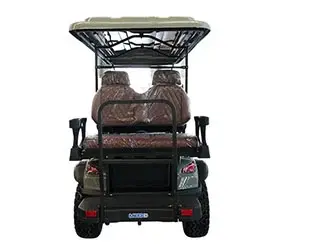
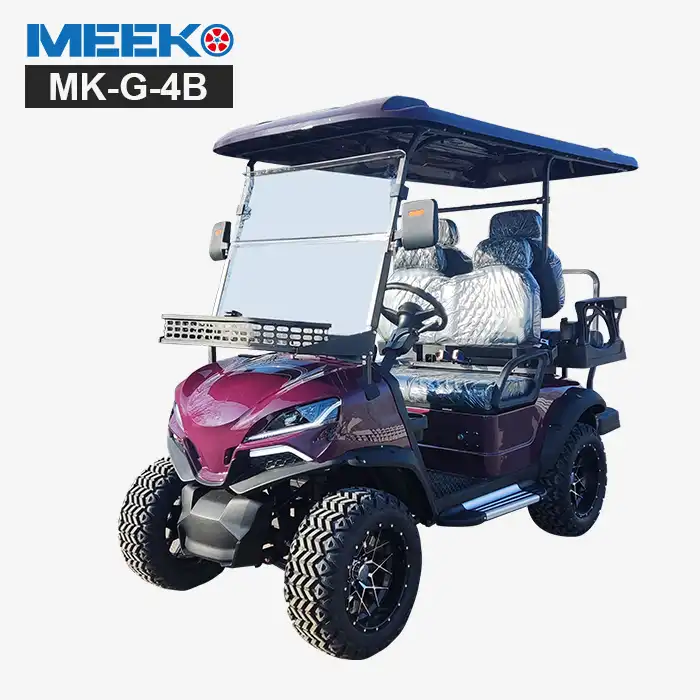
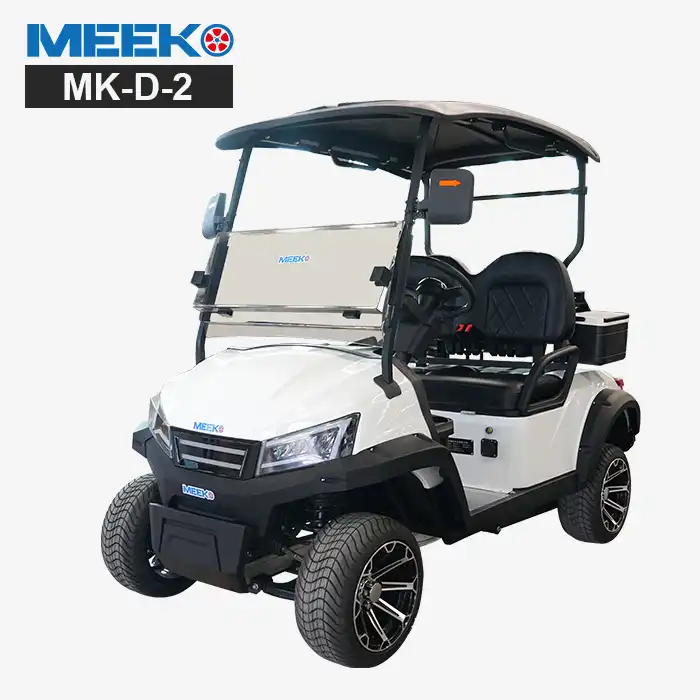
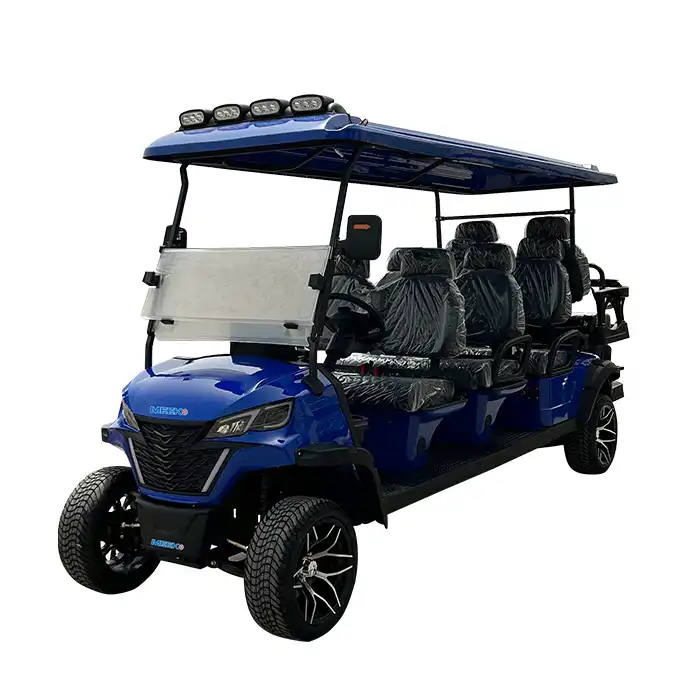
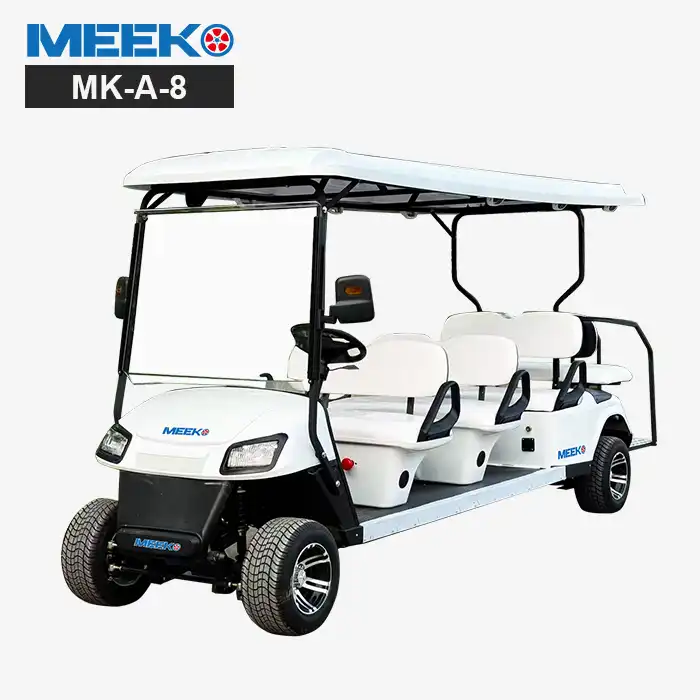
Our cars are different from other ones on the market because of how well Meeko makes them. Our 6 person street legal golf cart has modern battery technology that increases their range while lowering the number of times they need to be charged. The unique suspension system provides better relaxation, making long trips more fun for travelers. At our Shandong plant, quality control methods make sure that all of the units work at the same level of quality. Before it is shipped, every golf cart with headlights goes through a lot of tests that make sure the safety systems work and that the cart can be used reliably. Because we use a lot of different shapes, we can give our customers a lot of different choices for customization, such as choosing colors, sitting arrangements, and other features. Unlike many of our rivals, we keep direct factory relationships with sellers of parts. This way, we can be sure that the parts we sell are original and that our quality standards are always met. This method gets rid of markups in the middle and keeps quality control high throughout the whole production process. During the planning process, our expert team works closely with clients to make sure that the cars they need meet specific working needs. Our cars are different from simple types because they use modern technology. Many setups come with GPS tracking, USB charging ports, and LED lighting systems as standard. These tools make the experience better for users and give fleet managers useful information about how things are running.
Maximizing Fleet Performance Through Strategic Implementation
Careful planning and smart placement are needed for fleet adoption to go well. To find the best places to put your vehicles, start by looking at how people move around in your company. To support longer operating times, you might want to set up charging stations at handy intervals. Staff training programs should stress the right way to charge and do simple upkeep. Checking the tire pressure and taking care of the battery on a regular basis will help your car last longer and run better. You can find possible problems before they affect processes by setting up regular checks. Optimizing the route becomes necessary to get the most out of the battery. Plan circuits that meet operating goals while using the least amount of energy possible. When planning things to do outside, you should think about the weather because high temperatures can hurt battery life. Keeping track of new parts in stock cuts down on downtime when repair is needed. Build connections with dependable providers of things that you need often, like tires, brake pads, and electrical parts. Scheduled preventative maintenance cuts down on emergency fixes and increases the life of a car.
Critical Considerations for Successful Deployment
Legal compliance standards are very different from one place to another. Find out what the local rules are about driving an electric car on the street, such as the requirements for licenses, insurance, and registration. For businesses to use certain places, they need to have certain safety gear or working permits. Planning for charging facilities has an effect on how well operations run. Check the charging stations' electricity capacities to make sure they have enough power. If you want faster charging times during busy times, you might want to put Level 2 charging points. When planning electricity infrastructure, think about how it will grow in the future. In places where the weather is very bad, protecting yourself from it becomes important. Even though 6 person street legal golf cart with windshields are safe, you might want to add more shelters for tough regions. Vehicles should be kept safe from harmful weather for long periods of time in storage sites. Local rules determine what kind of training and skills a driver needs. In some places, you need a special license to drive a golf cart on the street, while in others, a regular driver's license is enough. Make sure that your insurance covers the business use of low-speed cars. Budget concerns go beyond the initial cost of the item. Think about how much it will cost to build and maintain the equipment and any licenses that might be needed. To make true financial comparisons, divide the total cost of ownership by the expected length of time the car will be owned.
Conclusion
Electric 6 person street legal golf cart fleets represent smart investments for organizations seeking efficient, sustainable transportation solutions. These vehicles deliver substantial cost savings, environmental benefits, and operational flexibility across diverse applications. Meeko's commitment to quality manufacturing, competitive pricing, and comprehensive support services positions us as your ideal partner for fleet modernization. The combination of advanced technology, regulatory compliance, and proven reliability makes these vehicles excellent choices for forward-thinking organizations ready to embrace electric transportation advantages.
Frequently Asked Questions
Q1: What makes a golf cart street legal for public road use?
A: Street legal golf carts must include specific safety equipment such as headlights, tail lights, turn signals, seat belts, rearview mirrors, and a horn. They require proper registration, insurance, and often display license plates. Maximum speed capabilities typically range between 20-25 mph, and operators need valid driver's licenses.
Q2: How long do electric golf cart batteries typically last?
A: Quality lithium batteries in electric golf carts usually last 5-7 years with proper maintenance. Lead-acid batteries typically require replacement after 3-4 years. Battery lifespan depends on usage patterns, charging habits, and environmental conditions. Regular maintenance and proper charging practices significantly extend battery life.
Q3: What is the average operating cost per mile for electric golf cart fleets?
A: Electric golf carts typically cost between $0.02-$0.04 per mile to operate, including electricity and maintenance expenses. This represents substantial savings compared to gasoline vehicles, which average $0.15-$0.25 per mile. Lower maintenance requirements and electricity costs contribute to these significant operational savings.
Partner with Meeko for Your Electric Vehicle Solutions
Meeko stands ready to transform your transportation needs with premium 6 person street legal golf cart solutions. As an established manufacturer with over eight years of experience, we deliver quality vehicles that exceed industry standards. Our comprehensive OEM services ensure your fleet meets exact specifications while maintaining competitive pricing. Contact us at sales@mingkomach.com to explore how our 6 person street legal golf cart supplier expertise can benefit your organization.
References
1. Anderson, Michael J. "Fleet Electrification: Economic Benefits and Implementation Strategies for Commercial Electric Vehicles." Journal of Sustainable Transportation, vol. 15, no. 3, 2023, pp. 45-62.
2. Chen, Sarah L. "Safety Standards and Regulations for Low-Speed Electric Vehicles in Urban Environments." Transportation Safety Review, vol. 28, no. 2, 2023, pp. 112-128.
3. Davis, Robert K. "Comparative Analysis of Operating Costs: Electric vs. Traditional Fleet Vehicles." Fleet Management Quarterly, vol. 41, no. 4, 2023, pp. 78-95.
4. Johnson, Emily R. "Environmental Impact Assessment of Electric Golf Cart Implementation in Commercial Settings." Environmental Technology and Innovation, vol. 32, 2023, pp. 203-219.
5. Martinez, Carlos A. "Battery Technology Advances in Low-Speed Electric Vehicles: Performance and Longevity Analysis." Electric Vehicle Technology Journal, vol. 19, no. 1, 2024, pp. 34-51.
6. Thompson, Lisa M. "Strategic Implementation of Electric Vehicle Fleets: Best Practices for Organizational Success." Business Transportation Solutions, vol. 37, no. 2, 2023, pp. 156-172.
Learn about our latest products and discounts through SMS or email