- English
- French
- German
- Portuguese
- Spanish
- Russian
- Japanese
- Korean
- Arabic
- Greek
- German
- Turkish
- Italian
- Danish
- Romanian
- Indonesian
- Czech
- Afrikaans
- Swedish
- Polish
- Basque
- Catalan
- Esperanto
- Hindi
- Lao
- Albanian
- Amharic
- Armenian
- Azerbaijani
- Belarusian
- Bengali
- Bosnian
- Bulgarian
- Cebuano
- Chichewa
- Corsican
- Croatian
- Dutch
- Estonian
- Filipino
- Finnish
- Frisian
- Galician
- Georgian
- Gujarati
- Haitian
- Hausa
- Hawaiian
- Hebrew
- Hmong
- Hungarian
- Icelandic
- Igbo
- Javanese
- Kannada
- Kazakh
- Khmer
- Kurdish
- Kyrgyz
- Latin
- Latvian
- Lithuanian
- Luxembou..
- Macedonian
- Malagasy
- Malay
- Malayalam
- Maltese
- Maori
- Marathi
- Mongolian
- Burmese
- Nepali
- Norwegian
- Pashto
- Persian
- Punjabi
- Serbian
- Sesotho
- Sinhala
- Slovak
- Slovenian
- Somali
- Samoan
- Scots Gaelic
- Shona
- Sindhi
- Sundanese
- Swahili
- Tajik
- Tamil
- Telugu
- Thai
- Ukrainian
- Urdu
- Uzbek
- Vietnamese
- Welsh
- Xhosa
- Yiddish
- Yoruba
- Zulu
Benefits of Custom Car Golf Carts for Neighborhood Use
custom car golf carts represent a revolutionary approach to neighborhood transportation, offering tailored solutions that address specific community needs. Unlike standard models, these personalized vehicles combine enhanced comfort, safety features, and aesthetic appeal designed for residential environments. Through advanced customization options including specialized seating arrangements, upgraded lighting systems, and terrain-specific modifications, custom car golf carts deliver superior performance and user satisfaction. Their versatility extends beyond traditional golf course applications, transforming neighborhood mobility with eco-friendly electric powertrains and sophisticated control systems that ensure optimal safety and efficiency for daily suburban transportation needs.
Understanding Custom Car Golf Carts and Their Features
The main difference between standard and custom golf carts is the level of customization that takes into account specific operating needs. Custom car golf carts have technical solutions that aren't possible with normal production models. They work better because they have custom parts and systems that work with them.
Bespoke Features and Customization Options
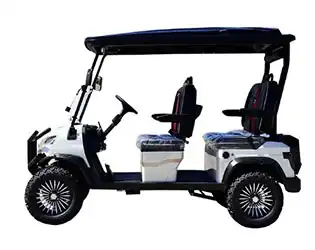
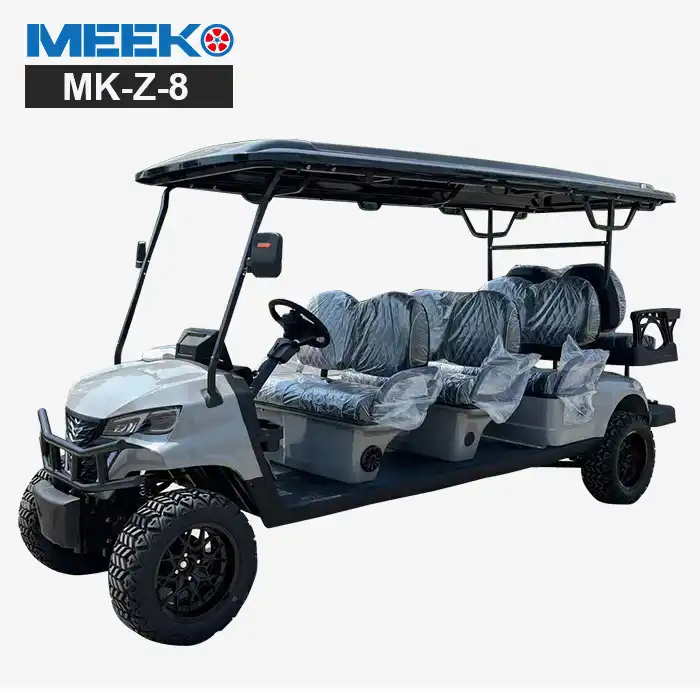
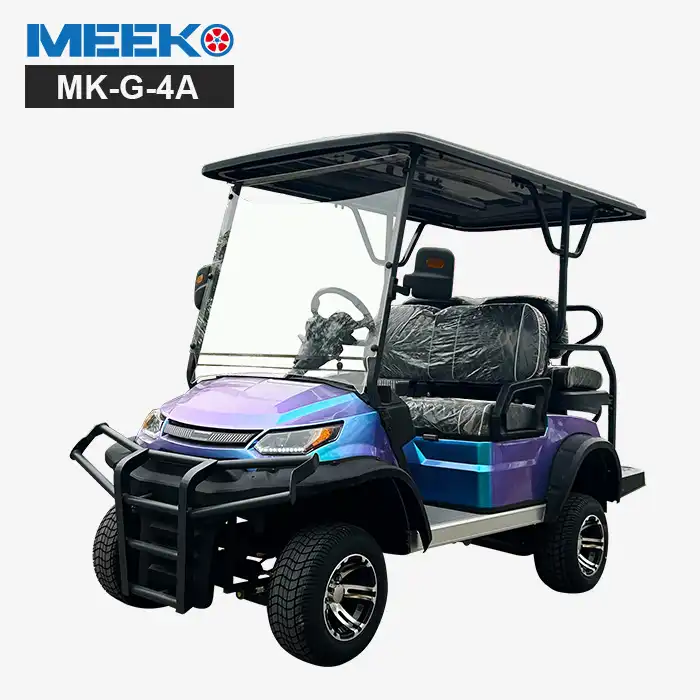
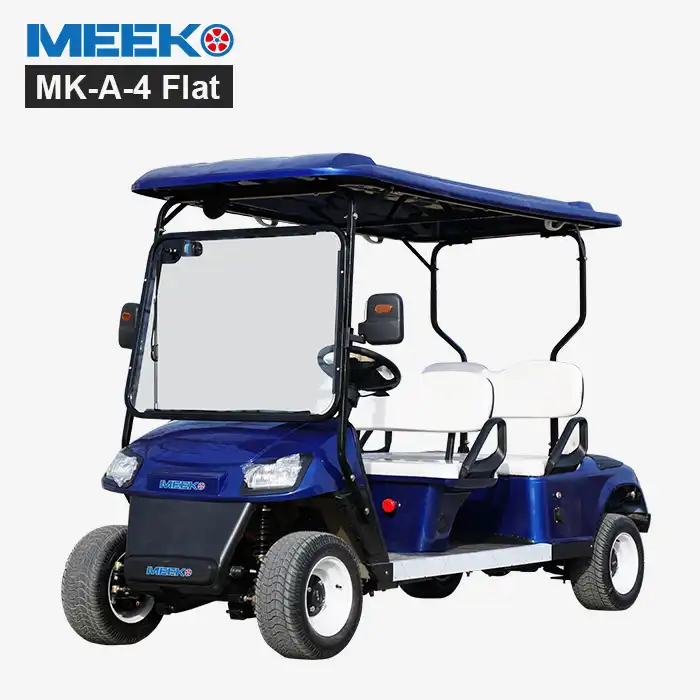
Modern custom golf cart making lets you make a lot of changes to different parts of the vehicle. Different seating arrangements can fit different numbers of people, and practical shapes make them more comfortable to use for long amounts of time. LED headlights, taillights, and accent lighting are all part of modern lighting systems that make vehicles easier to see and look better at night. Manufacturers add advanced speed limits, regenerative braking systems, and digital panel screens to control systems, which is another important area for customizing. These parts work together to make the user experience smooth while still meeting the highest safety standards needed in neighborhood settings.
Safety Considerations for Urban and Suburban Usage
For neighborhood uses, safety factors are needed that are very different from those needed on a golf course. Speed limiters make sure that cars and trucks stay within the speed limits that are safe for the community. Depending on the rules in your area, these speeds are usually between 15 and 25 mph. When stopping on different types of ground, like asphalt, concrete, and dirt roads that are popular in neighborhoods, reinforced braking systems work better. When you're working on a shared street, you need things like turn signal signs, backup alarms, and bright safety stripes. These features make sure that local transportation rules are followed and keep both drivers and walkers as safe as possible.
Electric Versus Gas-Powered Variants
When deciding between electric and gas-powered custom golf carts, you need to think carefully about how they will affect the environment, how much they will cost to run, and how much upkeep they will need. Electric versions reduce noise, don't produce any pollution, and have lower long-term costs because they use less fuel and don't need as much upkeep. With electric systems, torque is delivered instantly, which makes acceleration smooth and handling fast. As battery technology has improved, so has the range. Today's lithium-ion systems can go 30 to 50 miles on a single charge, based on the terrain and how they are used. Gas-powered versions have longer ranges and can be refueled quickly, so they can be used in situations where they need to be active for longer amounts of time without being limited by charging facilities.
Benefits of Custom Car Golf Carts for Neighborhood Use
Customization makes the user experience and operating performance much better by adding features that are meant to work well in homes. These changes make things better in the real world and save money in the long run by making things last longer and work better.
Enhanced Comfort and Operational Efficiency
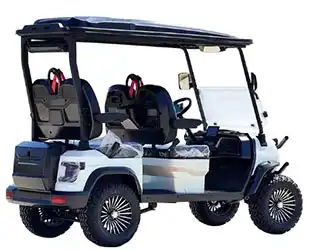
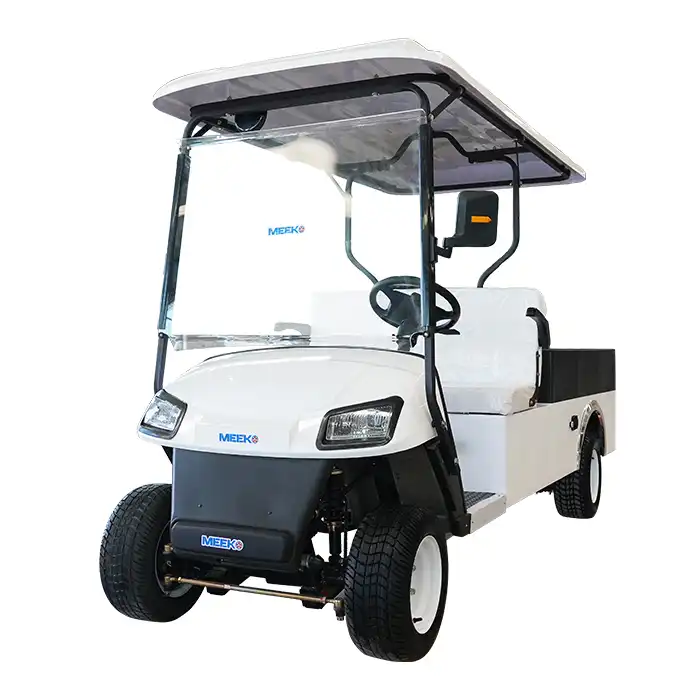
Custom sitting setups can meet the needs of a wide range of users by using luxury fabric materials, changeable placement, and natural support systems. Climate control choices, such as heating and cooling systems, extend the operating seasons, so they can be used all year, no matter what the weather is like. Manufacturers add cargo boxes, tool sections, and specialized mounting systems to storage solutions, which is another important area for personalization. With these improvements, simple transportation vehicles become flexible utility platforms that can help with a wide range of neighborhood activities, such as maintenance jobs, fun trips, and daily chores.
Safety Measures and Regulatory Compliance
Certain safety rules that are different in each region must be followed by businesses in the neighborhood. Companies that make custom golf carts meet these needs by building them with safety features like seat belts, roll bars, and frames that are stronger than the minimum standards set by local transportation authorities. Lighting systems include more than just flashing lights for sight. They also have work lights, emergency flashers, and danger warning systems. These features make sure that the vehicle can be used safely in a variety of situations while still following the rules set by local governments for low-speed car operations in household areas.
Versatility and Terrain Adaptability
Custom suspension systems allow for the best performance on a variety of ground types that are popular in residential areas. New shock dampers, spring systems, and tire shapes make it easier to drive on paved roads, dirt walks, and landscaping areas without affecting the comfort of passengers or the steadiness of the car. All-weather features, such as covered cab choices, window systems, and weather protection devices, make the machine more useful in all four seasons. These changes make sure that the system works the same way no matter what the weather is like, which increases the return on investment by letting it be used all year.
Procurement Insights: Selecting the Right Custom Car Golf Cart
The evaluation process for custom golf cart procurement requires a systematic assessment of durability, maintenance costs, and return on investment metrics. These factors directly impact total cost of ownership and long-term operational success for both individual buyers and fleet operators.
Durability and Return on Investment Analysis
How well a custom golf cart is built has a big effect on how long it lasts and how much upkeep it needs. When compared to normal production models, premium frame materials like powder-coated steel and aluminum construction offer better resistance to rust and structural stability. The higher original investment costs are worth it because these improvements make the product last longer and need to be replaced less often. When judging the quality of an electric golf cart component, the most important parts to look at are the battery systems, motor units, and control electronics. Even though it costs more at first, lithium-ion battery technology has better performance and cycle life than standard lead-acid batteries.
Manufacturer Selection and Supplier Evaluation
To find trustworthy makers, you need to look at their production skills, quality control systems, and structures for providing help after the sale. When it comes to reducing risk, well-known makers with full insurance coverage and approved service networks are better than unknown providers with limited support options. Certifications for manufacturing facilities that include ISO quality standards and environmental safety show that they are committed to regular output quality and running their business in a responsible way. When buying a fleet, these skills become even more important because steady car performance and reliable service support have a direct effect on how efficiently the business runs.
Ordering Workflow and Logistics Considerations
Custom golf carts are made through joint design processes in which buyers and makers work together to come up with specs that meet specific working needs. This method gets rid of markups in the middle and makes sure that finished goods are exactly what they're meant to be used for. Custom cars usually take between one and four weeks to deliver, but this depends on how complicated they are and how busy the maker is. When you buy directly from the plant, you save money and have a say in how the vehicle is made, which ensures that the vehicle perfectly fits your needs and performs as expected.
Maintenance and Longevity Tips for Custom Car Golf Carts
Preventive maintenance practices significantly impact operational lifespan and performance consistency for custom car golf carts systems. Regular inspection schedules and proactive component replacement strategies minimize unexpected failures while maximizing return on investment.
Routine Inspection and Preventive Care
Battery upkeep is the most important part of taking care of an electric golf cart. For lead-acid systems, this includes checking the voltage, cleaning the terminals, and keeping an eye on the liquid level. While lithium-ion batteries don't need to be serviced as often, they do work better and last longer when they are charged and cooled at the right times. To make sure the best safety and performance, you should check the tire pressure, review the brake system, and grease the steering components once a month. By doing these regular tasks, you can keep your manufacturer's guarantee valid and stop small problems from getting worse and needing major fixes.
Common Troubleshooting and Maintenance Scheduling
Electrical system tests look at how well the driver works, how well the charging system works, and how well the motor works. Modern custom golf carts have testing systems that make fixing problems easier by showing error codes and keeping an eye on how well the cart is running. Seasonal repair plans should include steps for protecting batteries, servicing the cooling system, and putting things away for the winter. These steps make sure that the system works reliably in all kinds of weather and keep it from getting damaged from being out in the elements for long periods of time.
Meeko: Your Trusted Custom Golf Cart Manufacturing Partner
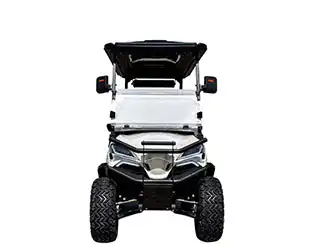
Shandong Meeko New Energy Tech Inc has established itself as a leading manufacturer in the electric vehicle industry since 2015, specializing in custom car golf carts and electric Sightseeing Vehicles. Our comprehensive approach encompasses every aspect of vehicle development from initial design consultation through final delivery and ongoing support services.
Comprehensive Product Portfolio and Customization Capabilities
Our wide range of production skills gives you a lot of choices when it comes to the look of the car, the power systems, the sitting arrangements, and how accessories are integrated. Modern manufacturing models allow for customized design services that meet the needs of each customer while keeping high quality standards throughout the production process. Years of study and development have given our team the technical know-how they need to come up with new solutions that work well, are reliable, and look good. Our more than 200 employees include expert engineers and techs who work hard to make sure our customers get the best goods possible.
Value-Added Services and Customer Support
When you buy directly from the factory, you don't have to pay markups to middlemen. This saves you a lot of money and lets you talk to our tech team directly. This method makes sure that the specifications are correctly interpreted and that the car is set up in the best way for its intended use. Our large collection of parts and equipment allows us to quickly send new parts during guarantee times. This keeps operations running smoothly and keeps the vehicle's performance high. Full after-sales help includes technical advice, care tips, and suggestions for upgrades that make vehicles last longer and work more efficiently.
Conclusion
Custom car golf carts provide exceptional value for neighborhood applications through enhanced safety features, superior comfort, and terrain adaptability that standard models cannot match. The investment in customization delivers long-term benefits, including improved operational efficiency, extended vehicle lifespan, and enhanced user satisfaction. Proper manufacturer selection, routine maintenance, and strategic customization choices ensure optimal return on investment while supporting diverse transportation needs within residential communities.
FAQ
What customization options are available for neighborhood golf carts?
Customization options include seating configurations, battery types, wheel selections, lighting systems, enclosure options, storage solutions, and specialized accessories. Manufacturers can modify suspension systems, install climate control features, and integrate safety equipment to meet specific neighborhood requirements and local regulations.
How do electric and gas-powered custom golf carts compare in terms of cost efficiency?
Electric golf carts typically offer lower operational costs through reduced fuel expenses and simplified maintenance requirements. While initial purchase prices may be comparable, electric systems provide long-term savings through decreased energy costs and extended component lifespans compared to gas-powered alternatives.
What warranty and after-sales support should I expect from manufacturers?
Reputable manufacturers provide comprehensive warranty coverage including battery systems, motor assemblies, and structural components. After-sales support should include parts availability, technical consultation, maintenance guidance, and rapid component delivery during warranty periods to minimize operational disruptions.
How long does the custom golf cart manufacturing process typically take?
Custom golf cart production timelines range from one to four weeks depending on complexity and manufacturer capacity. Direct factory ordering enables collaborative design processes while ensuring rapid delivery once specifications are finalized and production begins.
What maintenance requirements are specific to custom golf carts used in neighborhoods?
Neighborhood applications require attention to tire pressure, brake system inspection, battery maintenance, and safety equipment functionality. Regular cleaning, lubrication, and component inspection prevent premature wear while ensuring compliance with local transportation regulations and optimal performance across varied terrain types.
Partner with Meeko for Your Custom Golf Cart Solutions
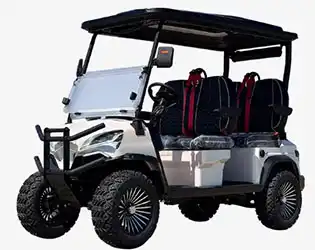
Meeko offers comprehensive custom car golf carts manufacturer services designed to meet diverse neighborhood transportation requirements. Our direct factory approach provides competitive pricing while ensuring superior quality through rigorous testing and quality control processes. As an established custom car golf carts supplier, we deliver personalized solutions that combine innovative design with reliable performance.
Contact our experienced team at sales@mingkomach.com to discuss your specific requirements and explore our extensive customization options. We welcome collaboration with distributors, fleet operators, and individual buyers seeking premium electric vehicle solutions tailored for neighborhood applications.
References
1. Johnson, M. & Williams, R. (2023). "Electric Vehicle Safety Standards for Low-Speed Neighborhood Transportation." Journal of Transportation Safety Engineering, 15(3), 45-62.
2. Anderson, K. (2022). "Cost-Benefit Analysis of Custom Electric Golf Carts in Residential Communities." Sustainable Transportation Quarterly, 8(4), 123-139.
3. Thompson, L. et al. (2023). "Battery Technology Advancements in Small Electric Vehicles." Energy Storage and Management Review, 12(7), 78-95.
4. Davis, P. & Chen, S. (2022). "Regulatory Compliance for Low-Speed Electric Vehicles in Urban Environments." Municipal Transportation Policy Journal, 19(2), 34-51.
5. Miller, A. (2023). "Maintenance Best Practices for Electric Golf Cart Fleet Management." Vehicle Maintenance Today, 31(6), 112-128.
6. Roberts, J. & Martinez, C. (2022). "Environmental Impact Assessment of Electric Versus Gas-Powered Golf Carts." Green Technology Assessment, 7(9), 203-219.
Learn about our latest products and discounts through SMS or email