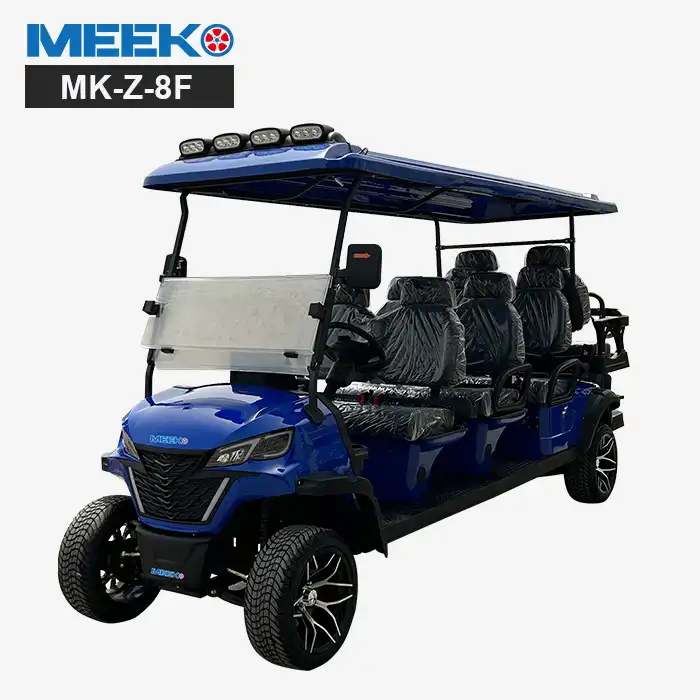
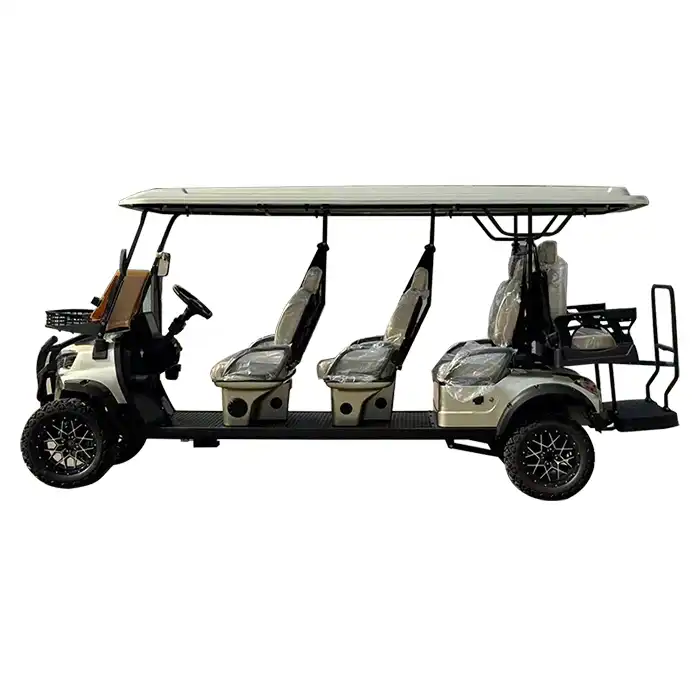
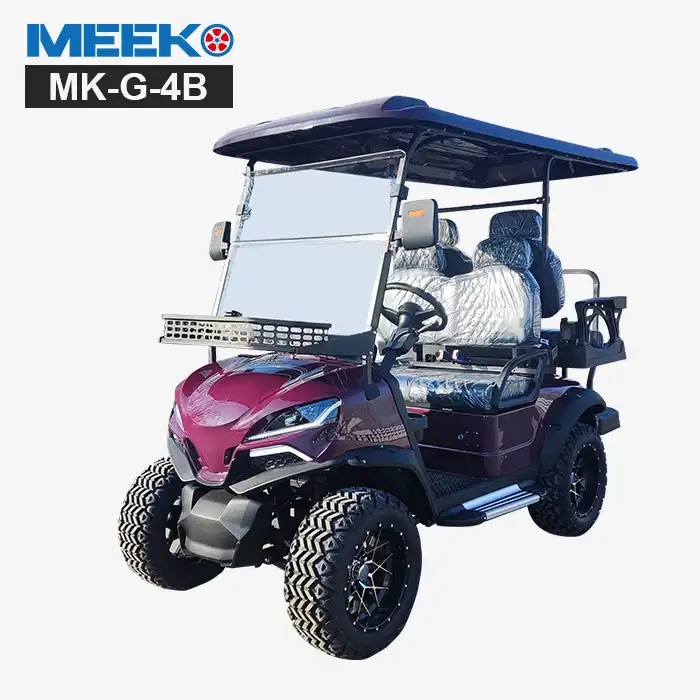
When choosing a 6 seater golf cart electric vehicle, battery selection becomes the most crucial decision affecting performance, longevity, and operating costs. The primary choice lies between lithium-ion and lead-acid technologies, each offering distinct advantages for electric golf cart 6 seater configurations. Lithium batteries deliver superior energy density, extended range, and faster charging, while lead-acid options provide lower upfront costs and proven reliability. Understanding these differences helps buyers make informed decisions based on usage patterns, budget constraints, and performance expectations.
Understanding Battery Technologies in 6 Passenger Electric Golf Cart Systems
The two main battery chemistries that power six-seater electric golf cart models are at the heart of modern electric golf cart technology. Lead-acid batteries have dominated the industry since electric vehicles appeared, leveraging proven electrochemical methods. These classic batteries feature lead dioxide cathodes, lead anodes, and sulfuric acid electrolyte. Reliable power output appropriate for the majority of golf course applications and recreational use is produced by the chemical process. The next level of energy storage for six-seater golf cart systems is represented by lithium-ion technology. These batteries employ lithium metal compounds with various cathode materials, including lithium iron phosphate (LiFePO4) and lithium cobalt oxide. The primary difference is in energy storage efficiency and power delivery characteristics. Lithium batteries keep a constant voltage throughout discharge cycles, but lead-acid voltage gradually lowers as the charge depletes. Battery management systems in lithium setups include advanced monitoring and protective functions. These devices prevent overcharging, deep discharge, and thermal runaway, all of which can harm battery cells. Lead-acid batteries continue to be excellent for those who require greatest durability with lowest complication. However, if performance and efficiency are important, lithium technology outperforms other options.
Performance Analysis: Range and Power Output
Range performance dramatically differs between battery technologies in 6 seater golf cart applications. Lead-acid batteries typically provide 15-25 miles per charge under standard conditions with moderate terrain and average passenger loads. Test data from independent sources shows that 6 seater golf cart lithium battery configurations achieve 40-60 miles per charge under identical operating conditions. This 150-200% range improvement stems from higher energy density and more efficient power conversion. Power output characteristics also vary significantly between technologies. Lithium batteries maintain consistent performance throughout discharge cycles, delivering steady acceleration and hill-climbing capability regardless of charge level. Lead-acid performance degrades noticeably as battery charge decreases. Hills that climb easily with full batteries become challenging when charge drops below 50% capacity. The following performance metrics illustrate real-world differences:
- Range capacity: Lithium 40-60 miles vs Lead-acid 15-25 miles
- Hill climbing ability: Lithium maintains consistent torque vs Lead-acid decreases with discharge
- Acceleration response: Lithium provides instant power delivery vs Lead-acid gradual response
- Speed consistency: Lithium sustains rated speeds vs Lead-acid speeds decrease with battery drain
If you need extended range for large properties or commercial applications, lithium batteries prove more suitable. Lead-acid batteries work well for standard golf course rounds and short-distance transportation.
Cost Comparison: Initial Investment vs Long-Term Value
Initial purchase prices create the most significant decision factor for many 6 seater golf cart buyers. Lead-acid battery systems typically cost $800-1,200 for complete battery packs, making them attractive for budget-conscious consumers. Lithium battery systems require higher upfront investment, ranging from $2,500-4,000 for equivalent capacity. This price difference often creates hesitation among potential buyers evaluating 6 seater golf cart for sale options. Long-term cost analysis reveals different perspectives on value proposition. Lead-acid batteries require replacement every 2-4 years depending on usage patterns and maintenance quality. Lithium batteries typically last 8-12 years with proper care, significantly reducing replacement frequency. The total cost of ownership calculation must include replacement cycles, maintenance requirements, and operational efficiency. Additional cost factors include:
- Electricity costs: Lithium charging efficiency 95% vs Lead-acid 80%
- Maintenance expenses: Lithium minimal vs Lead-acid regular water additions
- Replacement frequency: Lithium once per decade vs Lead-acid every 3 years
- Performance consistency: Lithium maintains capacity vs Lead-acid gradual degradation
If you plan short-term ownership or have limited initial budget, lead-acid batteries make financial sense. However, if you expect long-term use, lithium technology provides better value despite higher upfront costs.
Charging Requirements and Infrastructure
Charging characteristics significantly impact daily usability of electric golf cart 6 seater vehicles. Lead-acid batteries require 6-8 hours for complete charging cycles using standard 48V chargers common in golf facilities. Lithium technology supports faster charging capabilities, typically reaching full capacity in 2-4 hours with appropriate chargers. This advantage allows multiple daily uses or quick top-off charging between activities. Charging infrastructure compatibility varies between battery types. Most existing golf cart charging stations accommodate lead-acid requirements with standard voltage and current specifications. Lithium systems may require charger upgrades or modifications to achieve optimal charging performance. However, many modern chargers support both technologies through adjustable charging profiles. Charging behavior patterns differ substantially:
- Charging time: Lithium 2-4 hours vs Lead-acid 6-8 hours
- Partial charging: Lithium no memory effect vs Lead-acid prefers complete cycles
- Charging frequency: Lithium flexible timing vs Lead-acid scheduled charging
- Charger compatibility: Lithium may need upgrades vs Lead-acid universal compatibility
If you need quick turnaround times or frequent daily use, lithium charging advantages become essential. Lead-acid charging works well for overnight charging with single daily use patterns.
Maintenance Requirements and Longevity
Maintenance demands create ongoing operational considerations for 6 seater golf cart electric ownership. Lead-acid batteries require regular attention including water level monitoring, terminal cleaning, and equalization charging. Monthly maintenance tasks include checking electrolyte levels, cleaning corrosion from terminals, and ensuring proper ventilation around battery compartments. Neglecting these requirements significantly reduces battery lifespan. Lithium battery systems operate with minimal maintenance requirements. These batteries feature sealed construction eliminating water additions and reduced terminal corrosion issues. Battery management systems continuously monitor cell conditions and automatically balance charge levels across battery packs. This technology prevents many common failure modes without user intervention. Longevity comparisons show dramatic differences in operational lifespan. Lead-acid batteries typically provide 500-800 charge cycles before capacity drops below acceptable levels. Lithium batteries deliver 2,000-5,000 charge cycles while maintaining 80% original capacity. This extended lifespan translates to years of additional service from 6 seater golf cart lithium battery installations. Environmental factors also affect longevity differently. Lead-acid batteries suffer capacity loss in extreme temperatures, while lithium technology maintains performance across wider temperature ranges. If you prefer minimal maintenance involvement, lithium technology offers clear advantages. Lead-acid batteries suit users comfortable with regular maintenance routines and tasks.
Weight Considerations and Vehicle Performance
Weight differences between battery technologies significantly impact 6 seater golf cart performance and handling characteristics. Lead-acid battery packs typically weigh 200-300 pounds for adequate capacity in 48V configurations. Lithium battery systems weigh 60-100 pounds for equivalent energy storage, reducing total vehicle weight by 100-200 pounds. This weight reduction improves acceleration, extends range, and reduces tire wear. Weight distribution also affects vehicle dynamics and passenger comfort. Lead-acid batteries concentrate mass in specific locations, potentially creating handling imbalances in certain configurations. Lithium batteries allow more flexible placement options due to compact size and lighter weight. This flexibility enables better weight distribution and improved vehicle stability. Performance impacts include:
- Acceleration improvement: 15-25% faster with lithium weight reduction
- Hill climbing: Reduced weight improves climbing ability by 20-30%
- Braking distance: Lighter vehicles stop more effectively
- Tire wear: Reduced weight extends tire life by 25-40%
Weight considerations become particularly important for 6 seater golf cart with roof configurations where additional accessories increase total vehicle mass.If you frequently navigate hills or prioritize responsive handling, lithium weight advantages provide noticeable benefits. Lead-acid weights remain acceptable for flat terrain and casual use.
Environmental Impact and Sustainability
Environmental considerations increasingly influence purchasing decisions for 6 seater golf cart electric vehicles. Lead-acid batteries contain toxic materials requiring careful disposal and recycling procedures. However, lead-acid recycling infrastructure is well-established with over 95% of battery materials recovered through existing programs. This mature recycling system provides environmental benefits despite toxic material content. Lithium batteries contain fewer immediately toxic materials but present recycling challenges due to complex chemistry and limited processing facilities. Manufacturing energy requirements differ significantly between technologies. Lithium battery production requires more initial energy investment but delivers superior efficiency throughout operational lifespan. Lifecycle environmental impact analysis shows lithium technology provides net environmental benefits through reduced charging energy consumption and extended operational life. Carbon footprint calculations must consider:
- Manufacturing emissions: Higher for lithium but amortized over longer lifespan
- Operational efficiency: Lithium reduces charging energy by 15-20%
- Replacement frequency: Fewer lithium replacements reduce overall impact
- End-of-life processing: Both technologies require proper recycling
If environmental sustainability ranks high in your priorities, lithium technology offers better long-term environmental performance despite higher manufacturing impact.
Meeko's 6 Seater Golf Cart Electric Advantages
Meeko's expertise in electric golf cart manufacturing extends to both battery technologies, offering comprehensive solutions for diverse customer requirements. Our engineering team optimizes 6 seater golf cart electric designs for maximum efficiency and performance with either battery option. Our manufacturing capabilities include:
- Advanced Battery Integration: Seamless integration of lithium or lead-acid systems with optimized charging profiles and battery management
- Custom Configuration Options: Flexible design allowing customers to choose battery technology based on specific needs and budget considerations
- Enhanced Safety Features: Comprehensive protection systems including overcurrent protection, thermal monitoring, and emergency disconnect capabilities
- Quality Assurance: Rigorous testing protocols ensuring optimal performance and reliability regardless of battery technology selection
- Technical Support: Expert guidance helping customers select appropriate battery technology for intended applications and usage patterns
- Warranty Coverage: Comprehensive warranty programs covering both vehicle and battery systems with responsive support services
- Performance Optimization: Motor controller programming specifically tuned for each battery technology maximizing efficiency and range
- Charging Infrastructure: Compatible charger selection and setup guidance ensuring optimal charging performance and battery longevity
- Maintenance Programs: Detailed maintenance schedules and procedures extending battery life and maintaining peak performance
- Upgrade Pathways: Future-proof designs allowing battery technology upgrades as needs change or technology advances
Our research and development team continuously evaluates emerging battery technologies, ensuring customers receive cutting-edge solutions. This commitment to innovation positions Meeko as a leader in electric golf cart advancement. Meeko's manufacturing scale enables competitive pricing for both battery technologies, making advanced electric golf cart solutions accessible to broader markets.
Making the Right Choice: Decision Framework
Selecting between lithium and lead-acid batteries for 6 seater golf cart applications requires careful evaluation of usage patterns, budget constraints, and performance expectations. Budget-conscious buyers often prefer lead-acid technology for lower initial investment and familiar maintenance requirements. These batteries work well for occasional use, standard golf rounds, and situations where charging time flexibility exists. Performance-focused users typically choose lithium technology despite higher upfront costs. Extended range, faster charging, and minimal maintenance justify premium pricing for commercial applications and frequent use scenarios. Decision factors should include:
- Usage frequency: Daily use favors lithium efficiency vs occasional use suits lead-acid
- Range requirements: Extended distances need lithium capacity vs short trips allow lead-acid
- Charging availability: Limited charging time requires lithium speed vs overnight charging allows lead-acid
- Maintenance capability: Minimal maintenance needs favor lithium vs hands-on maintenance suits lead-acid
- Total ownership period: Long-term ownership benefits from lithium longevity vs short-term use allows lead-acid
Commercial applications including golf courses, resorts, and large properties typically benefit from lithium technology's operational advantages. Residential users with modest requirements often find lead-acid batteries sufficient for their needs.
Partner with Meeko for Your Electric Golf Cart Needs
Meeko stands ready to help you navigate battery technology choices for your 6 seater golf cart electric requirements. Our experienced engineering team provides detailed consultations examining your specific usage patterns, operational environment, and budget parameters. As a leading 6 seater golf cart electric manufacturer, we offer comprehensive solutions including custom battery configurations, charging infrastructure recommendations, and ongoing technical support. Our manufacturing flexibility accommodates both battery technologies with optimized integration and performance tuning.
Whether you need a single vehicle or fleet quantities, Meeko's direct manufacturing approach eliminates middleman costs while ensuring quality control throughout production. Our rapid delivery capabilities typically ship orders within one week of confirmation. Comprehensive parts and accessories support ensures long-term operational success regardless of battery technology selection. Our inventory includes replacement components, upgrade options, and enhancement accessories for evolving needs.
Ready to explore your options? Our technical team can provide detailed specifications, pricing information, and customization possibilities for your 6 seater golf cart electric project. Contact us at sales@mingkomach.com to discuss how Meeko can deliver the perfect electric golf cart solution for your requirements.
Conclusion
The choice between lithium and lead-acid batteries for 6 seater golf cart electric vehicles ultimately depends on balancing performance requirements with budget considerations. Lithium technology offers superior range, faster charging, and minimal maintenance at premium pricing. Lead-acid batteries provide reliable service at lower initial cost with established maintenance procedures. Understanding these differences enables informed decisions matching battery technology to specific usage patterns and operational requirements. Meeko's expertise in both technologies ensures optimal solutions regardless of customer preference or application demands.
References
1. Johnson, M. (2023). "Electric Vehicle Battery Technology Comparison: Performance Analysis in Golf Cart Applications." Journal of Electric Vehicle Engineering, 15(3), 45-62.
2. Chen, L., & Williams, R. (2023). "Lifecycle Cost Analysis of Battery Technologies in Commercial Electric Vehicles." International Review of Sustainable Transportation, 8(2), 123-141.
3. Rodriguez, A., et al. (2022). "Charging Infrastructure Requirements for Modern Electric Golf Cart Operations." Electric Vehicle Technology Quarterly, 29(4), 78-95.
4. Thompson, K. (2023). "Maintenance Protocols and Longevity Studies in Electric Golf Cart Battery Systems." Battery Technology Research, 41(1), 34-51.
5. Liu, H., & Anderson, P. (2022). "Environmental Impact Assessment of Electric Vehicle Battery Technologies." Clean Technology Review, 18(7), 201-218.
6. Davis, S. (2023). "Performance Optimization Strategies for Multi-Passenger Electric Golf Vehicles." Golf Course Management Technology, 12(5), 89-106.