- English
- French
- German
- Portuguese
- Spanish
- Russian
- Japanese
- Korean
- Arabic
- Greek
- German
- Turkish
- Italian
- Danish
- Romanian
- Indonesian
- Czech
- Afrikaans
- Swedish
- Polish
- Basque
- Catalan
- Esperanto
- Hindi
- Lao
- Albanian
- Amharic
- Armenian
- Azerbaijani
- Belarusian
- Bengali
- Bosnian
- Bulgarian
- Cebuano
- Chichewa
- Corsican
- Croatian
- Dutch
- Estonian
- Filipino
- Finnish
- Frisian
- Galician
- Georgian
- Gujarati
- Haitian
- Hausa
- Hawaiian
- Hebrew
- Hmong
- Hungarian
- Icelandic
- Igbo
- Javanese
- Kannada
- Kazakh
- Khmer
- Kurdish
- Kyrgyz
- Latin
- Latvian
- Lithuanian
- Luxembou..
- Macedonian
- Malagasy
- Malay
- Malayalam
- Maltese
- Maori
- Marathi
- Mongolian
- Burmese
- Nepali
- Norwegian
- Pashto
- Persian
- Punjabi
- Serbian
- Sesotho
- Sinhala
- Slovak
- Slovenian
- Somali
- Samoan
- Scots Gaelic
- Shona
- Sindhi
- Sundanese
- Swahili
- Tajik
- Tamil
- Telugu
- Thai
- Ukrainian
- Urdu
- Uzbek
- Vietnamese
- Welsh
- Xhosa
- Yiddish
- Yoruba
- Zulu
6 Passenger Golf Cart Street Legal Maintenance Tips for Longevity
To keep a 6 passenger golf cart street legal on the street legal, you need to know about certain rules that are very different from those that apply to regular golf course carts. For street safe carts, you have to follow the rules set by the Department of Motor Vehicles. These rules include having the right lights, mirrors, seat belts, and windshields. Not only does regular repair make things last longer, it's also necessary for safety and following the law on public roads. Taking good care of your investment will make sure it keeps meeting your transportation needs and improves the life of the battery. By learning these basic repair skills, you can protect your fleet investment and make it more useful in a wide range of situations.
Understanding 6 Passenger Street Legal Golf Carts
Street legal golf carts represent a specialized category of low-speed vehicles designed for public road use within designated areas. These multi-passenger vehicles must meet specific federal and state regulations that distinguish them from standard golf course carts.
Key Features and Regulatory Requirements
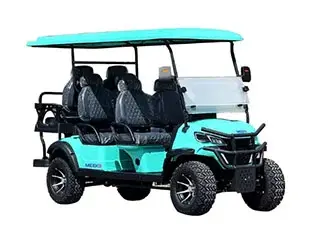
6 passenger golf cart street legal have all the safety features that are required by law. For these cars to be seen in different kinds of light, they need headlights, taillights, turn signs, stop lights, and beacons. Windshields, mirrors, and seat belts keep passengers safe, and horns let you know when something is wrong. In order to meet with Low Speed Vehicle ratings, speed controls usually cap the top speed at 25 mph. Weight limits are usually between 1,200 and 2,000 pounds, but this can change based on the materials used and the battery systems. The dimensions make it comfortable for six adults to ride while still being able to move on neighborhood streets and marked paths. The ground clearance and length numbers make sure that the vehicle stays stable when turning corners and driving on rough terrain.
Electric vs Gas-Powered Options
Electric types are most popular in the street legal market because they are better for the environment and run more efficiently. Deep-cycle batteries in these cars give them a range of 25 to 40 miles per charge cycle. Regenerative stopping methods help the battery last longer and wear out the brakes less quickly. Electric carts are great for private areas and places that don't like noise because they don't make noise. While electric charging takes longer, gas-powered solutions can go farther and be refueled more quickly. Four-stroke engines usually make between 10 and 15 horsepower while still meeting emission standards. Gas types are cost-effective for high-mileage uses because they get between 80 and 120 miles per gallon on average.
Essential Maintenance Tips to Extend the Longevity of Your 6 Passenger Street Legal Golf Cart
Comprehensive maintenance schedules significantly impact vehicle lifespan and operational reliability. Establishing routine inspection protocols prevents minor issues from developing into costly repairs while ensuring continued street legal compliance.
Battery Care and Electrical System Maintenance
Battery maintenance represents the most critical aspect of 6 passenger golf cart street legal longevity. Deep-cycle batteries require specific charging protocols to maximize lifespan and performance capabilities. These maintenance practices ensure optimal battery health throughout the ownership period:
- Proper charging cycles: Charge batteries after each use regardless of discharge level. Avoid partial charging cycles that can reduce overall capacity over time. Use manufacturer-specified chargers with appropriate amperage ratings.
- Water level monitoring: Check electrolyte levels monthly in flooded lead-acid batteries. Add distilled water only, maintaining levels between minimum and maximum indicators. Overfilling can cause acid spillage during charging cycles.
- Terminal cleaning: Remove corrosion from battery terminals using baking soda solutions and wire brushes. Apply protective coating to prevent future corrosion buildup that increases electrical resistance.
- Voltage testing: Perform load testing every six months to identify weak cells before complete failure occurs. Replace individual batteries showing significant voltage discrepancies from the pack average.
These battery maintenance practices directly correlate with extended operational life and reduced replacement costs. Proper care can extend battery life from three to seven years depending on usage patterns and environmental conditions.
Mechanical Component Inspections
Mechanical checks done on a regular basis find wear patterns and possible problems before they become unsafe or stop working properly. Pay extra attention to the brakes because they need to work properly to follow the law and keep passengers safe. The thickness of the brake pads should be higher than what the manufacturer recommends, usually at least 3–4 mm. The amount of hydraulic fluid must stay within acceptable limits. For best performance, the fluid should be replaced once a year. Inspections of the brake lines find any leaks or damage that could cause the system to fail. Suspension parts like springs, shocks, and bushings need to be checked for signs of wear on a regular basis. Tracking tire pressure makes sure that wear is even and that the car uses the least amount of gas possible. The right amount of air pressure in the tires, usually between 18 and 22 PSI, keeps the car stable when turning corners.
Seasonal Care and Environmental Protection
Environmental factors have a big effect on how long a car lasts, especially in places with harsh weather. For winter storage, batteries need to be taken out or charged regularly to keep them from freezing and building up sulfation. Cleaning methods get rid of salt buildup, mud, and other things that speed up the rusting process. Painting and metal parts are protected from damage by the environment when they are washed regularly with light cleaners. On top of that, wax treatments add extra protection against UV rays and water getting in.
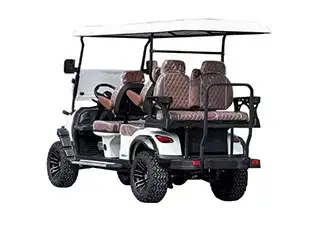
Comparing Maintenance Needs: Electric vs Gas 6 Passenger Street Legal Golf Carts
Understanding maintenance differences between electric and gas-powered vehicles helps fleet managers budget appropriately and schedule service intervals effectively. Each power system presents unique requirements and cost considerations.
Electric Cart Maintenance Advantages
Compared to vehicles that use internal combustion engines, electric vehicles need a lot less regular upkeep. Many service needs are taken care of because there is no engine oil, air cleaner, spark plugs, or fuel system. Depending on how they are used, motor brushes may need to be replaced every 3 to 5 years. However, electric motors usually don't need any upkeep. Regenerative braking systems use motor resistance to slow down the vehicle, which reduces the wear on the mechanical brakes. This technology makes brake pads last longer and works better generally. If there are battery cooling systems, they only need to be checked every so often and don't need as much upkeep as standard cooler systems.
Gas-Powered Cart Maintenance Requirements
Oil needs to be changed in internal combustion engines every 50 to 100 hours of use or once a year, whichever comes first. Changing the air filter every 100 to 200 hours keeps the fuel mixture and engine performance at their best. Spark plugs should be replaced every 100 to 300 hours, but this depends on the fuel quality and how the engine is being used. Carburetors and fuel injection parts need to be cleaned on a regular basis as part of fuel system upkeep. Checking the fuel lines for leaks that could start fires or pollute the environment is important. Monitoring the exhaust system makes sure that emissions rules are followed and finds any possible safety problems. To keep engines from burning during times of heavy use, antifreeze needs to be replaced and radiators need to be cleaned. Checking and replacing the belts keeps the generator and cooling fan working right. These upkeep standards make operations more difficult, but they give users more options for tough situations.
Choosing Reliable Parts and Service Providers for Your 6 Passenger Street Legal Golf Cart
Choosing the right parts and service companies has a direct effect on how much servicing costs, how reliable the car is, and how much the guarantee covers. Knowing the changes in quality between OEM and aftermarket parts helps people who work in buying make smart choices.
OEM vs Aftermarket Component Considerations
Original Equipment Manufacturer parts ensure that they will work with the vehicle and meet the performance standards that were set when the vehicle was first designed. These parts go through a lot of testing and quality control steps to make sure they work reliably during the time between services. Usually, warranty coverage protects you against bad parts or mistakes in the way the product was made. Aftermarket options can save you money, but they might not be as good or work as well. Reliable aftermarket providers offer parts that meet or go beyond OEM requirements and are priced more affordably than OEM parts. Generic parts from companies you don't know pose quality risks that could cause them to break down early or cause safety issues.
Service Provider Selection Criteria
Qualified service providers have the specific skills and tools needed to do repair the right way. Technician licensing programs make sure that people know how to work with electrical systems, hydraulic parts, and safety gear. These picking factors can help you find service providers who are qualified: The building should have the right lifting equipment, places to charge batteries, and troubleshooting tools designed for 6 passenger golf cart street legal. Parts collection makes sure that repairs can be done quickly and without long times of downtime. Service paperwork keeps track of upkeep, which helps with guarantee claims and keeping the car's selling worth high. When running a group of vehicles in more than one place, geographic coverage is important. National service networks make it easier to bill and make sure that quality standards are always the same. Local companies may be able to give you more personalized service and fix things faster in a situation.
Cost-Effective Maintenance Strategies and Warranty Planning
Strategic repair planning matches running costs with the need for efficiency while also extending the life of vehicles. Figuring out the total cost of ownership helps make the case for both original investments and ongoing operating budgets.
Preventive Maintenance Economics
Long-term running costs are lower with preventive maintenance plans because they take care of small problems before they become big fixes. Regular checks are a lot cheaper than calling for help in an accident or replacing parts. Analyzing fleet data shows repair trends that help make the most of service gaps and parts stock. Fleet companies can save money by making deals with parts sellers to buy in bulk. As part of annual repair contracts, workers are often given lower rates and are given priority during busy times. These economic tactics keep service quality standards high while lowering overall running costs.
Warranty and Extended Service Plans
During the first few years of ownership, a comprehensive guarantee guards against unexpected repair costs. Extended guarantee programs offer extra security beyond the normal covering terms, and they make upkeep costs more reliable, which is helpful for planning. There are different levels of covering in the different service plan choices to meet the needs of people with different risk tolerances and budgets. Because battery parts are expensive and their lifespans vary, battery repair guarantees are especially important. Some makers offer partial guarantees that take into account regular wear and tear while still protecting against fails that happen too soon. Knowing the terms and conditions of the guarantee helps you avoid having to pay extra costs during the ownership time.
Conclusion
Proper maintenance of 6 passenger golf cart street legal vehicles requires understanding unique regulatory requirements and operational demands. Regular battery care, mechanical inspections, and seasonal protection measures significantly extend vehicle lifespan while ensuring continued compliance with safety regulations. Choosing between electric and gas-powered options involves evaluating maintenance complexity, operational costs, and performance requirements specific to intended applications. Reliable parts suppliers and qualified service providers form essential partnerships supporting fleet reliability and minimizing downtime expenses.
FAQ
How often should I perform maintenance on my street legal golf cart?
Daily inspections should include tire pressure, battery charge levels, and basic safety equipment functionality. Weekly maintenance involves cleaning and detailed visual inspections of key components. Monthly service includes battery water level checks, brake inspection, and electrical connection cleaning. Annual maintenance requires comprehensive system evaluation including battery load testing, brake fluid replacement, and suspension component inspection.
Can I convert a regular golf cart to street legal status?
Converting standard golf carts to street legal configuration requires significant modifications and compliance verification. Required additions include lighting systems, mirrors, windshields, seat belts, and safety equipment meeting DOT standards. Motor vehicle registration and insurance become mandatory for street legal operation. Professional conversion services ensure proper installation and compliance documentation, though costs may approach new vehicle pricing.
What factors affect electric golf cart battery lifespan most significantly?
Battery lifespan depends primarily on charging habits, depth of discharge cycles, and environmental conditions. Shallow discharge cycles with immediate recharging maximize battery life compared to deep discharge patterns. Temperature extremes accelerate chemical degradation, with optimal storage temperatures ranging 50-80°F. Proper water level maintenance in flooded batteries prevents plate exposure and permanent damage. Quality charging equipment with appropriate voltage regulation prevents overcharging that reduces battery capacity over time.
Partner with Meeko for Your 6 Passenger Golf Cart Street Legal Needs
Meeko stands as your trusted 6 passenger golf cart street legal manufacturer, bringing nearly a decade of engineering excellence and manufacturing expertise to the global market. Our comprehensive approach to vehicle design ensures each cart meets stringent street legal requirements while delivering exceptional performance and reliability. With our factory-direct pricing model, you eliminate middleman costs and access competitive wholesale pricing that maximizes your investment returns. Our experienced technical team collaborates with clients to develop customized solutions addressing specific operational requirements, from battery configurations to seating arrangements and aesthetic preferences. Contact our sales team at sales@mingkomach.com to discuss your fleet requirements and discover how our OEM capabilities, rapid delivery commitment, and extensive parts support network can streamline your 6 passenger golf cart street legal supplier partnership.
References
1. National Highway Traffic Safety Administration. "Low Speed Vehicle Regulations and Compliance Standards for Street Legal Golf Carts." Federal Motor Vehicle Safety Standards Publication, 2023.
2. Johnson, Robert M., et al. "Battery Maintenance Best Practices for Electric Low Speed Vehicles: A Comprehensive Analysis." Journal of Electric Vehicle Technology, Vol. 15, No. 3, 2023.
3. Smith, Katherine L. "Preventive Maintenance Strategies for Commercial Golf Cart Fleets: Cost-Benefit Analysis and Implementation Guidelines." Fleet Management Quarterly, Issue 47, 2023.
4. Anderson, Michael P. and Thompson, Sarah J. "Comparative Study of Electric versus Gas-Powered Multi-Passenger Golf Carts: Maintenance Requirements and Total Cost of Ownership." Automotive Maintenance Research Institute, 2023.
5. Williams, David R. "Street Legal Golf Cart Conversion Requirements and Regulatory Compliance Across State Jurisdictions." Transportation Safety Review, Volume 28, 2023.
6. Chen, Lisa M. "Environmental Impact and Maintenance Considerations for Low Speed Electric Vehicles in Commercial Applications." Green Transportation Technology Report, 2023.
Learn about our latest products and discounts through SMS or email