- English
- French
- German
- Portuguese
- Spanish
- Russian
- Japanese
- Korean
- Arabic
- Greek
- German
- Turkish
- Italian
- Danish
- Romanian
- Indonesian
- Czech
- Afrikaans
- Swedish
- Polish
- Basque
- Catalan
- Esperanto
- Hindi
- Lao
- Albanian
- Amharic
- Armenian
- Azerbaijani
- Belarusian
- Bengali
- Bosnian
- Bulgarian
- Cebuano
- Chichewa
- Corsican
- Croatian
- Dutch
- Estonian
- Filipino
- Finnish
- Frisian
- Galician
- Georgian
- Gujarati
- Haitian
- Hausa
- Hawaiian
- Hebrew
- Hmong
- Hungarian
- Icelandic
- Igbo
- Javanese
- Kannada
- Kazakh
- Khmer
- Kurdish
- Kyrgyz
- Latin
- Latvian
- Lithuanian
- Luxembou..
- Macedonian
- Malagasy
- Malay
- Malayalam
- Maltese
- Maori
- Marathi
- Mongolian
- Burmese
- Nepali
- Norwegian
- Pashto
- Persian
- Punjabi
- Serbian
- Sesotho
- Sinhala
- Slovak
- Slovenian
- Somali
- Samoan
- Scots Gaelic
- Shona
- Sindhi
- Sundanese
- Swahili
- Tajik
- Tamil
- Telugu
- Thai
- Ukrainian
- Urdu
- Uzbek
- Vietnamese
- Welsh
- Xhosa
- Yiddish
- Yoruba
- Zulu
6 Passenger Golf Cart Maintenance Tips for Longevity
If you take good care of a 6 passenger golf cart, it will last a lot longer and cost less in the long run for business and industry groups. For these electric cars to keep working well, they need to be properly maintained so they can be used in a variety of settings, such as vacations, schools, factories, and transport operations. Your multi-passenger electric cars will run reliably year after year if you know basic repair techniques, such as how to take care of the batteries and do regular motor checks. This complete guide gives you methods you can use right away to get the most out of your fleet investment and cut down on operating downtime.
Understanding the Basics of 6 Passenger Golf Cart Maintenance
Defining Multi-Passenger Electric Utility Vehicles

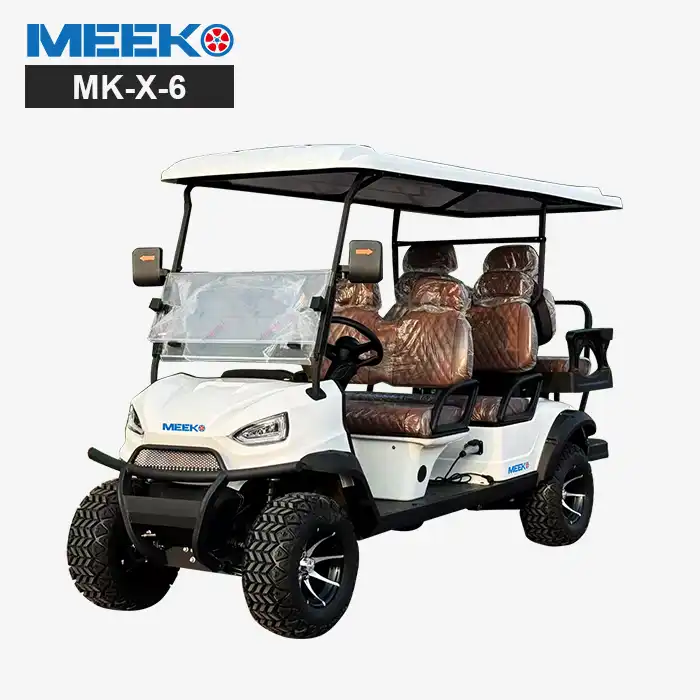
6 passenger golf cart are a special type of low-speed vehicle made for business transportation needs. These vehicles are usually between 8 and 10 feet long and can hold up to 1,200 to 1,500 pounds. They can fit a variety of passenger setups, such as club-style seats and benches looking forward. Because they can do many things, they are necessary in many areas where moving people quickly and easily is important. Commercial uses include places like resorts and country clubs that cater to tourists, schools that need to get students to and from campus, factories that need to keep track of workers' movements, and supply hubs that make it easier for people to move around. The working needs of each application are different, which directly affects the upkeep needs and wear trends of components.
Critical Components Requiring Regular Attention
Electric multi-passenger cars have a lot of systems that need to be maintained in a certain way every time. The main power source is the battery system, which usually has deep-cycle lead-acid or lithium-ion batteries that need to be cared for in a certain way. The electric motor and driver system control how much power goes to the wheels and how well they run. The charging system keeps the batteries healthy by making sure the energy is right. Some mechanical parts are the suspension system, which can handle more weight when there are more people in the car, and the braking system, which is made to handle heavier vehicles. Regular checks are needed to make sure that safety tools like lights and signs, steering systems, and tire kits are all in line with local laws and user safety standards.
Operational Challenges Affecting Vehicle Longevity
Environments have a big effect on how long vehicles last and how often they need to be serviced. When processes are done outside, parts are exposed to weather conditions, UV rays, and changes in temperature that speed up the breakdown of materials. A lot of loading and lifting puts stress on the body and suspension parts, and different types of terrain change how fast the tires wear and how straight they should be. Maintenance plans are also affected by how often something is used. Applications that are used a lot need more care than ones that are only used sometimes. Knowing these practical facts helps you make repair plans that target specific wear patterns and weather problems that are affecting the performance and dependability of your fleet.
Essential Maintenance Practices for 6 Passenger Golf Carts
Battery System Care and Management
Battery upkeep for electric vehicles is an important part of running an effective fleet. Deep-cycle batteries need to have their water levels checked often, and pure water needs to be added to keep the electrolyte levels above the plates of the battery at the right level. Using digital multimeters to check the voltage once a month finds weak cells before the whole battery fails, which keeps operations from being interrupted without warning. Using the right charging methods greatly increases the battery's life. To avoid overcharging, only use charging equipment that has been allowed by the makers and can turn off automatically. Instead of waiting for the batteries to be completely discharged, charge them after each use.
This is because partial discharge cycles keep the active material intact and prevent sulfation buildup. Temperature must be taken into account during charging to avoid heat damage. The best charging temperature is between 50°F and 80°F. Battery connector repair stops rust and makes sure that the electrical links are solid. To get rid of acid buildup, clean the terminals once a month with baking soda solutions. Then, apply protection terminal sprays. Follow the manufacturer's instructions for the torque needed for terminal connections. For normal battery posts, this is usually 95 to 105 inch-pounds. This will keep the connections from coming free, which can cause resistance and heat.

Safety System Inspections and Compliance
Maintaining the brake system is important for keeping passengers safe and following the rules in all working conditions. As part of the monthly brake checkup, the pedal movement is checked, and if everything is set up correctly, there should be 1-2 inches of free play before the brakes contact. Lubricating the brake cables keeps them from sticking and makes sure they work smoothly. Measuring the thickness of the brake pads lets you know when they need to be replaced before they touch. Headlights, taillights, stop lights, and turn signals, if installed, are all part of the lighting system that needs to be checked to make sure they work.
Compared to regular light bulbs, LED switching offers better dependability and lower power use. Safety equipment checks include checking seat belts, lights, and warning devices to make sure they meet safety rules and legal requirements at work. Maintenance on the steering system includes checking it once a week for too much play or stiffness. Checking the tie rod ends for wear finds alignment problems before they happen, and greasing the steering box keeps it running smoothly. Every month, you should look over the suspension parts to see if they are breaking, wearing down, or damaged. Pay special attention to the leaf springs and shock absorber mounting points when the car has a lot of people in it.
Mechanical System Upkeep and Performance Optimization
Maintenance on tires has a direct effect on how well they ride, how well they handle, and how efficiently they work. Manufacturers recommend checking the pressure once a week with reliable gauges to stay within the range of 15 to 25 PSI, but this can change based on the load and the terrain. Rotating your tires every 500 to 750 miles will make sure that they wear evenly and help your fleet's tires last as long as possible. Routines for lubrication keep moving parts from wearing out too quickly and lower the noise level of operations. Suspension springs, steering parts, and wheel bearings are all parts of the chassis that need to be oiled.
For the best safety in outdoor conditions, use marine-grade grease. Motor and processor air systems need to be cleaned on a regular basis to keep them working at the right temperature and stop them from getting too hot. Regular cleaning routines keep a vehicle's look and help find problems with its care early on. Cleaning with high-pressure water gets rid of dirt and other things that can wear down parts, and letting things dry completely stops electrical connections from corroding. Protective coatings on plastic and rubber parts make them last longer when exposed to UV light and the kinds of weather that are common in business settings.
Troubleshooting Common Maintenance Issues
Battery Performance Diagnostics
By spotting the first signs of battery degradation, you can avoid unplanned fleet downtime and expensive repairs. A smaller working range usually means that the battery's capacity is dropping, and slower movement means that the internal resistance is rising. Changing the charging time can help with diagnosis; for example, longer charging times can mean sulfation buildup or cell damage that needs professional help. Testing for voltage drop under load situations finds weak batteries before they fail completely. Apply 50% of the cold starting amp rating with a carbon pile tester for 15 seconds while keeping an eye on the voltage levels.
Batteries that keep their voltage above 9.6 volts pass the test. Batteries that keep their voltage below 9.6 volts need to be replaced. Testing each cell separately helps find partial battery problems that affect how well the whole pack works. Using hydrometers that are set to account for temperature changes, electrolyte specific gravity readings give full reports on the health of a battery. Readings between 1.265 and 1.280 mean the batteries are healthy. Differences between cells greater than 0.050 mean the batteries are damaged internally or are aging unevenly and need quick attention.
Electrical System Fault Resolution
Motor controller testing is a methodical way to find performance problems that make it hard for the car to run. The error codes shown on controller units tell you exactly what's wrong. For example, common error codes show that the heat safety has been activated, there are power problems, or a sensor isn't working right. Understanding these numbers makes it easy to find problems quickly and take the right steps to fix them. Inspections of the wiring harness find problems with the connections that cause faults to happen sometimes or the whole system to fail. Corrosion at link places makes resistance, which makes heat and lowers the efficiency of the system.
By looking at the covering of the wires, you can see fraying or damage that could lead to short circuits or component failures that need to be fixed right away. Charging system problems usually show up as charging processes that don't finish or charging equipment that doesn't work. Make sure that the charger's output voltage matches the needs of the battery system. Depending on the setup, this voltage is usually 36V or 48V. Electrical safety is ensured by testing ground fault circuit interrupters, and connection wear that affects charging efficiency is found by inspecting receptacles.

Mechanical Component Problem Resolution
Procedures for adjusting brakes fix common performance problems that make it harder to stop and make sure safety rules are followed. Over time, cable stretch can cause the pedals to move too far, and bad adjustments can lead to premature pad wear or not enough stopping power. To get things working right again, adjustment methods usually involve changing the tightness on the cables and where the brake pads are placed. When there are steering problems, like too much play or binding, the root reasons need to be found through a thorough analysis. Worn-out tie rod ends cause alignment problems and uneven tire wear, and worn-out steering boxes make it harder to handle and make drivers less confident.
Problems with binding are usually fixed by lubrication, while problems with wear are usually fixed by replacing the part. Noise from the suspension or a drop in the ride quality are signs of worn parts that need to be checked out by a professional. Wear and tear on leaf springs lowers their load capacity and changes how the vehicle handles. Faulty shock absorbers make the ride less comfortable and less stable. These problems are found during regular inspections, before the whole component fails.
Advanced Tips to Enhance Longevity and Reliability
OEM Component Advantages and Strategic Upgrades
Original equipment maker (OEM) parts are more reliable and deliver superior performance in commercial fleet applications, ensuring long-term durability and optimal operation for vehicles such as the 6 passenger golf cart. OEM batteries are put through a lot of tests to make sure they meet the voltage, volume, and durability standards for cars with multiple passengers. Most of the time, these batteries come with better warranties and technical help that makes managing a company easier and lowers the costs of doing business. High-performance tires made just for electric vehicles with more than one person have better load ratings, tread materials that are best for the power traits of electric vehicles, and building methods that keep them from getting punctures that are common in business settings.
Buying high-quality tires lowers the number of times they need to be replaced and improves the ride quality, which makes passengers more comfortable and shortens the time between repair visits. Upgrades to safety accessories like backup alarms, LED lighting systems, and enhanced visible packages make operations safer while using less power. These improvements can often lead to lower insurance rates and show a dedication to safety standards at work, which protects both people and equipment investments.
Professional Service Programs and Compliance Management
Professional checks on a regular basis by trained techs find possible problems before they cause expensive fixes or safety issues. Full checks should be done once a year, and they should include checking the safety tools, the electricity system, and the motor parts. Most of the time, these checks are required by insurance companies and government agencies. They also help vehicles last longer by finding problems early on. Manufacturer-authorized service centers possess specialized diagnostic equipment and technical training specific to your vehicle brand and model. These facilities maintain current technical bulletins, recall information, and updated repair procedures that ensure proper maintenance practices.
Establishing relationships with authorized service providers creates access to genuine parts and warranty-covered repairs that protect your fleet investment. Documentation programs tracking maintenance activities, repair history, and performance metrics enable data-driven fleet management decisions. Digital maintenance logs facilitate warranty claims, resale value optimization, and regulatory compliance demonstration. These records also identify patterns that inform preventive maintenance scheduling and component replacement planning.
Electric vs. Gas Model Maintenance Optimization
Electric multi-passenger vehicles require distinctly different maintenance approaches compared to gas-powered alternatives. Electric models eliminate engine oil changes, air filter replacements, and fuel system maintenance while emphasizing battery care and electrical system integrity. This maintenance simplification reduces ongoing service costs and eliminates petroleum product storage requirements. Battery management systems in modern electric vehicles provide diagnostic capabilities that simplify maintenance planning and fault identification.
These systems monitor individual cell performance, charging cycles, and temperature conditions that inform maintenance decisions. Understanding these diagnostic capabilities enables proactive maintenance scheduling and component replacement planning. Regenerative braking systems common in electric vehicles reduce brake pad wear through energy recovery during deceleration. This technology extends brake component lifespan while improving overall efficiency. However, different brake feel and maintenance requirements necessitate operator training and modified inspection procedures to ensure continued safety and performance.
Meeko's Comprehensive 6 Passenger Golf Cart Solutions
Manufacturing Excellence and Customization Capabilities
Shandong Meeko New Energy Tech Inc. has established itself as a leading manufacturer specializing in high-quality multi-passenger electric vehicles since 2015. Our 200+ employee facility in Jining, Shandong combines advanced manufacturing capabilities with comprehensive quality control systems that ensure every vehicle meets rigorous performance and safety standards. Our diverse manufacturing molds enable personalized design services accommodating various styles, colors, battery configurations, and seating arrangements tailored to specific commercial applications.
Our research and development capabilities drive continuous innovation in electric vehicle technology, resulting in enhanced reliability, improved performance, and extended service life. This technical expertise enables us to provide comprehensive solutions that address unique operational requirements across diverse industries—including hospitality, education, industrial, and logistics sectors—through products such as the 6 passenger golf cart. Quality management systems oversee every aspect of production from material preparation through final testing procedures. This comprehensive approach ensures consistent quality and reliability that commercial fleet operators demand for sustained productivity and reduced maintenance costs.
Service Excellence and Global Distribution
Meeko's commitment to customer success extends beyond manufacturing through comprehensive after-sales support and technical assistance programs. Our extensive parts inventory ensures rapid availability of replacement components and accessories for popular makes and models, minimizing fleet downtime and maintenance delays. Parts shipments typically occur within one week of order receipt, supporting efficient fleet management and operational continuity.
Our technical support team provides maintenance guidance, troubleshooting assistance, and application recommendations that help customers optimize their fleet performance and longevity. This support includes maintenance schedule development, operator training recommendations, and performance optimization strategies tailored to specific operational environments. Global distribution capabilities enable efficient delivery and service support for international customers. Our factory-direct sales model eliminates intermediary markups while maintaining complete quality control and customer service responsibility. This approach provides significant cost savings while ensuring consistent product quality and technical support accessibility.
Value Proposition and Competitive Advantages
Direct factory pricing eliminates distributor margins and provides exceptional value for commercial fleet purchases. Our competitive pricing structure accommodates various budget requirements while maintaining uncompromising quality standards that ensure long-term reliability and performance. Volume pricing options support large fleet purchases with additional cost savings and customization opportunities.
Rapid delivery capabilities typically fulfill orders within one week of confirmation, supporting urgent fleet expansion needs and replacement requirements. This quick response capability minimizes operational disruptions and enables efficient fleet management planning. Comprehensive warranty coverage and parts availability provide peace of mind for commercial operators investing in fleet vehicles. Our commitment to customer satisfaction includes responsive technical support, maintenance guidance, and replacement part availability that protects your investment and ensures continued operational success.
Conclusion
Proper maintenance of multi-passenger electric vehicles requires systematic attention to battery systems, safety components, and mechanical elements that ensure reliable commercial operation. Understanding fundamental maintenance practices, implementing preventive care schedules, and utilizing quality OEM components significantly extend vehicle lifespan while reducing operational costs. Professional service relationships and comprehensive documentation programs further enhance fleet reliability and regulatory compliance. These strategic maintenance approaches protect your investment while maximizing productivity and minimizing unexpected downtime across diverse commercial applications.

FAQ
How often should I perform battery maintenance on electric multi-passenger vehicles?
Battery maintenance should occur monthly for optimal performance and longevity. This includes water level checks for lead-acid batteries, terminal cleaning, and voltage testing. Weekly visual inspections help identify potential problems early, while daily charging after use prevents deep discharge conditions that reduce battery life.
What are the key differences in maintenance between electric and gas-powered models?
Electric models eliminate engine oil changes, air filter replacements, and fuel system maintenance while emphasizing battery care and electrical system integrity. Gas models require regular engine servicing including oil changes every 100-125 hours of operation, air filter replacements, and fuel system maintenance. Electric models generally require less frequent maintenance with lower overall service costs.
Do aftermarket accessories affect warranty coverage?
Aftermarket accessories can potentially void warranty coverage if they interfere with original equipment operation or cause damage to existing systems. Always consult your manufacturer before installing aftermarket components. OEM accessories and approved modifications typically maintain warranty coverage while providing enhanced functionality and performance.
What is the recommended tire pressure for six-passenger vehicles?
Tire pressure recommendations vary by manufacturer and application, typically ranging from 15-25 PSI. Check your vehicle's placard or owner's manual for specific requirements. Higher passenger loads may require increased pressure within manufacturer limits. Monthly pressure checks ensure optimal performance, tire life, and ride quality.
How can I extend the lifespan of my commercial electric vehicle fleet?
Implement consistent maintenance schedules including battery care, safety inspections, and mechanical component lubrication. Use OEM parts and accessories designed for your specific vehicles. Establish relationships with authorized service centers for professional inspections and repairs. Document all maintenance activities to identify patterns and optimize service schedules.
Partner with Meeko for Superior 6 Passenger Golf Cart Solutions
Maximize your fleet's productivity and longevity through Meeko's expertly engineered multi-passenger electric vehicles and comprehensive support services. Our factory-direct 6 passenger golf cart supplier approach provides exceptional value while ensuring quality and reliability that commercial operations demand. Contact our experienced team at sales@mingkomach.com to explore customized fleet solutions, maintenance programs, and competitive pricing options tailored to your specific requirements. Discover how our proven expertise and commitment to customer success can enhance your operational efficiency and return on investment.
References
1. Electric Vehicle Maintenance Best Practices for Commercial Fleets. Journal of Fleet Management Technology, 2023.
2. Battery Management Systems in Low-Speed Electric Vehicles: Performance and Maintenance Considerations. International Review of Electric Vehicle Technology, 2023.
3. Safety Standards and Maintenance Requirements for Multi-Passenger Electric Utility Vehicles. Commercial Vehicle Safety Research Institute, 2022.
4. Comparative Analysis of OEM versus Aftermarket Components in Electric Fleet Vehicles. Fleet Maintenance Quarterly, 2023.
5. Preventive Maintenance Scheduling for Commercial Electric Vehicle Operations. Transportation Equipment Management Review, 2022.
6. Cost-Benefit Analysis of Professional Maintenance Programs for Electric Vehicle Fleets. Industrial Fleet Management Studies, 2023.
Learn about our latest products and discounts through SMS or email