- English
- French
- German
- Portuguese
- Spanish
- Russian
- Japanese
- Korean
- Arabic
- Greek
- German
- Turkish
- Italian
- Danish
- Romanian
- Indonesian
- Czech
- Afrikaans
- Swedish
- Polish
- Basque
- Catalan
- Esperanto
- Hindi
- Lao
- Albanian
- Amharic
- Armenian
- Azerbaijani
- Belarusian
- Bengali
- Bosnian
- Bulgarian
- Cebuano
- Chichewa
- Corsican
- Croatian
- Dutch
- Estonian
- Filipino
- Finnish
- Frisian
- Galician
- Georgian
- Gujarati
- Haitian
- Hausa
- Hawaiian
- Hebrew
- Hmong
- Hungarian
- Icelandic
- Igbo
- Javanese
- Kannada
- Kazakh
- Khmer
- Kurdish
- Kyrgyz
- Latin
- Latvian
- Lithuanian
- Luxembou..
- Macedonian
- Malagasy
- Malay
- Malayalam
- Maltese
- Maori
- Marathi
- Mongolian
- Burmese
- Nepali
- Norwegian
- Pashto
- Persian
- Punjabi
- Serbian
- Sesotho
- Sinhala
- Slovak
- Slovenian
- Somali
- Samoan
- Scots Gaelic
- Shona
- Sindhi
- Sundanese
- Swahili
- Tajik
- Tamil
- Telugu
- Thai
- Ukrainian
- Urdu
- Uzbek
- Vietnamese
- Welsh
- Xhosa
- Yiddish
- Yoruba
- Zulu
4wd golf cart Uses in Tourism Industry and Patrol Systems
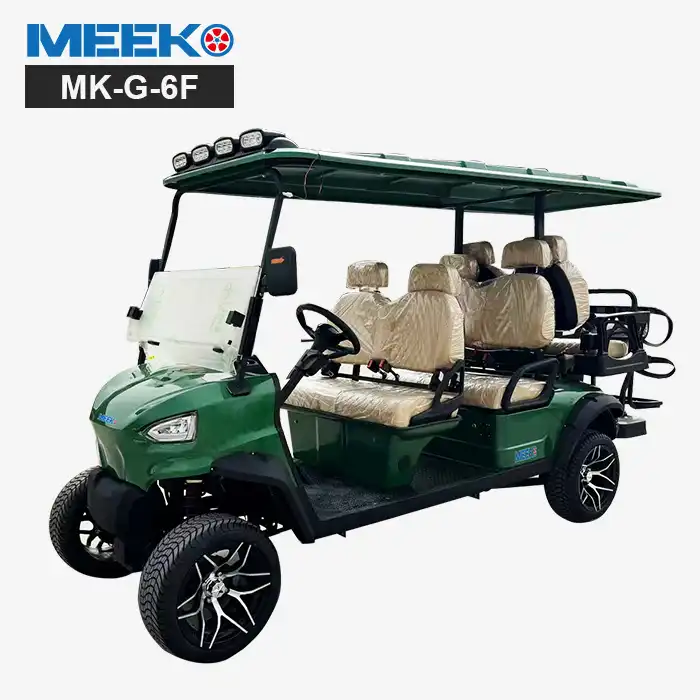
The four-wheel drive 4wd golf cart has changed the way tourists and police work in many fields. These tough cars are very mobile on rough ground and are comfortable and reliable at the same time. These vehicles are used by tourism companies for tours of beautiful areas, transportation between resorts, and fun activities that require good grip and steadiness. Security workers count on how long they last to do full patrols in parks, on campuses, and in factories. Because they can do so many things, they are essential for jobs that need reliable off-road performance.
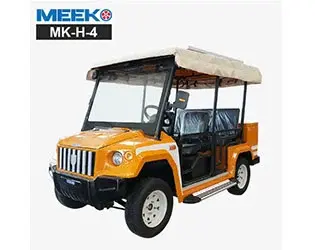
Transforming Tourism Operations with All-Terrain Mobility
Tourist spots all over the world have found that four-wheel drive electric cars are a huge help to their operations. These specialized cars work really well in places where regular transportation doesn't do a good job or make guests happy. The better climbing skills of these cars are especially useful at mountain getaways. The strong motor systems, which range from 3.5kW to 7.5kW, have enough torque to handle slopes of up to 45%. Resort owners can be sure that their guests will be safely taken to beautiful overlooks and out-of-the-way places that were previously unreachable. The McPherson independent suspension makes sure that the ride is smooth, even on rough mountain roads. These cars are used for tours along the coast, where the sand and salt air present special difficulties. The all-terrain tires and strong frame construction make it possible for the bike to handle rough seaside conditions and still be a safe way for beachgoers to get around. The electrophoresis process on welded steel plates keeps them from rusting, which makes naval vehicles last longer. For tours where people can watch animals, wildlife parks and safaris depend on the quiet electric motor. Unlike gas-powered cars, electric cars make very little noise, so people can watch animals in their natural environments without scaring them or making them want to run away. With their whisper-quiet operation and long range, the 48V to 72V battery packs are perfect for long trips.
Essential Patrol Applications Across Multiple Sectors
Four-wheel drive 4wd golf carts are popular in security and repair work because they are easy to use and can go on a variety of terrains. These apps meet important operating and safety needs in many different fields. These trucks are used by campus security teams to tour all of the large educational sites. Universities often cover hundreds of acres and have a variety of terrains, such as paved paths, green areas, and roads for emergencies. The single-stage rack and pinion turning system makes it easy to move through tight areas, and the LED lighting systems make it easy to see during night inspections. For industrial site protection, cars that can drive on a variety of surfaces during the same shift are needed. A lot of manufacturing companies have storage yards outside, warehouses inside, and entry roads around the outside. The non-slip rubber floor mats and comfortable design keep operators from getting tired during long patrol jobs, which makes security more effective overall. For airport border security to work, cars must be able to drive on runways, grass verges, and service roads. The strong structure and reliable electric powertrains keep upkeep to a minimum while giving uniform performance on different surfaces. The fast delivery options make sure that security teams can quickly react to breaches of the borders or other strange behavior. Park guards and conservation workers use these cars to keep an eye on wildlife and make sure visitors are safe. In national parks and wildlife reserves, fixed roads aren't always available, so you need a four-wheel drive to get to remote places. The longer battery range lets you use it all day, and the quiet operation keeps the surroundings as safe as possible.
Specialized Tourism Applications Driving Industry Innovation
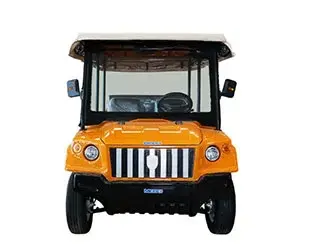
People who run adventure tourism businesses have found unique ways to use the special features of four-wheel drive electric cars. These unique applications show how flexible and adaptable current electric car technology is. The car can go between field rows and over dirt farm roads, which is useful for vineyard and farming trips. These cars are used in the wine country to take tourists through fields while giving them information about how to grow grapes. The stable stage makes it safe to move things like wine tasting tools and teaching materials. When people go on trips to historical sites, they often need cars that can get through archaeological areas and heritage sites, where keeping the ground safe is very important. Electric vehicles have lower ground pressure than traditional vehicles, which helps protect sensitive historical areas and makes it possible for educational tours to happen. The golf course is used for more than just walking on the fairways. Maintenance workers can get to it, drinks can be served, and the staff can help in an emergency. Because the setups can be changed, golf courses can make the cars fit their unique needs while still keeping the professional look that is expected in high-end dining settings.
Enhanced Security Patrol Capabilities
Today's security operations need 4wd golf cart that can handle a wide range of risks and operating situations. Four-wheel drive electric cars have features that help with today's security problems. These trucks are used by the border police and customs activities in desert, forest, and coastal areas. The stable electric powertrains cut down on the need for upkeep in rural areas and give the vehicles enough range for longer police tasks. This design is very strong and can handle tough environments while still being ready to use. These cars are used by event security teams at outdoor places to keep the crowds under control and respond to emergencies. Security staff at music festivals, sports events, and outdoor art shows need to be able to quickly move through people and get to limited areas. Because it is small and has accurate movement, it can get through temporary hurdles and crowd control equipment. For critical infrastructure security tasks like protecting power plants and water treatment plants, you need trucks that can get to all parts of large industrial buildings. The electric powertrains get rid of the fire risks that come with gasoline-powered cars while still providing reliable transportation across different types of terrain within the facility's limits.
Operational Advantages Driving Market Adoption
The technical specs of current electric four-wheel drive cars give them real operating benefits that make investment choices in tourist and police work worthwhile. Range anxiety worries that used to stop people from buying electric cars have been taken care of by improvements in battery technology. Lithium-ion batteries can be used for longer amounts of time, while lead-acid batteries are more cost-effective for businesses that need to stick to a budget. The 48V to 72V systems can be used with a variety of operating needs and are still compatible with standard charge infrastructure. Compared to options that use internal burning, they require a lot less maintenance. Electric motors have fewer moving parts, which means they wear out less quickly and need less upkeep. Total cost of ownership goes down because oil changes, spark plug repairs, and exhaust system upkeep aren't needed. This also makes the vehicle more available for use. As rules limit pollution in sensitive places, environmental concerns become more important in buying choices. Electric cars don't make any local pollution, so they can be used in confined places and environmentally sensitive areas where gas cars aren't allowed. This feature increases the range of operations that can be done while still following the rules.
Cost-Effectiveness and Return on Investment
When businesses look into four-wheel drive 4wd golf carts for use in tourist and police work, they find strong financial benefits that help them make investment choices. Immediately after the introduction, lower operating costs can be seen. Especially when charging during off-peak hours, electricity is a lot cheaper than gasoline or diesel fuel. When compared to volatile fossil fuel markets, stable energy prices make operating budgets more reliable. Less upkeep is needed, and things are more reliable, which makes work more efficient. The maintenance staff can focus on more useful tasks instead of doing regular maintenance on vehicles. Less time spent on fixes means more vehicles are available and operations run more smoothly. Insurance rates often go down because electric powertrains have better safety records and lower fire risks. Many insurance companies offer lower rates for groups of electric vehicles because they are seen as less of a risk than standard vehicles.
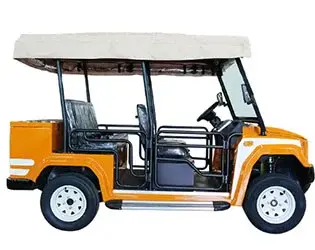
Customization Options Meeting Diverse Operational Needs
For four-wheel drive electric cars to be successfully used, specific operating needs and possible tuning choices must be carefully thought through. Different passenger needs can be met by different seating arrangements, ranging from two-person police cars to tour arrangements for eight people. The flexible design lets businesses choose the best seating options for their needs, while still meeting safety and comfort standards for passengers. Vehicles can carry specialized equipment needed for certain tasks thanks to different cargo and equipment fitting choices. For security tasks, you might need radios, emergency supplies, or hurdles to keep people from gathering. For tourism uses, you might need tour guide gear, a place to store refreshments, or safety gear. Customizing colors and logos on cars helps them fit in with the organization's name while still looking professional. Custom paint choices and sticker treatments make sure that cars reflect the values of the company and are easy to spot for practical reasons.
Future Developments and Technology Integration
Four-wheel drive 4wd golf carts are getting better all the time, which is good for both tourists and police work. The creation of autonomous guidance technology promises to make operations more efficient while lowering the need for workers. Already available semi-autonomous features include GPS tracking, route planning, and online monitoring tools that make managing a fleet more efficient. As battery technology keeps getting better, range keeps going up, and charge times keep going down. The creation of solid-state battery technology could get rid of present range restrictions, make batteries safer, and lower their upkeep needs. Connectivity features let smaller operating systems, like customer service platforms, work with larger ones, like security networks and repair management systems. These connections give practical details that drive efforts to keep getting better.
FAQ
What terrain types can 4WD golf carts handle effectively?
Four-wheel drive electric vehicles excel on diverse terrain, including sand, gravel, grass, moderate slopes up to 45%, and uneven surfaces. The all-terrain tires and independent suspension provide stability across challenging landscapes while maintaining passenger comfort and safety.
How long do batteries last in tourism and patrol applications?
Battery lifespan depends on usage patterns and battery type. Lithium-ion systems typically provide 2000+ charge cycles, while lead-acid alternatives offer cost-effective solutions with proper maintenance. Daily operational range varies from 50 to 150 kilometers depending on terrain and load requirements.
What maintenance requirements should operators expect?
Electric vehicle maintenance focuses primarily on battery care, tire rotation, and periodic inspection of electrical connections. Unlike gasoline vehicles, these units require no oil changes, spark plug replacements, or exhaust system maintenance, significantly reducing operational costs and downtime.
Are these vehicles suitable for all-weather operation?
Modern four-wheel drive electric vehicles operate effectively in temperatures ranging from -20°C to 50°C. Weather-resistant components and proper maintenance ensure reliable operation across diverse climate conditions. However, extreme weather may require additional protective measures.
What safety features are standard on patrol and tourism vehicles?
Standard safety equipment includes LED lighting systems, three-point seat belts, emergency braking systems, and stability control features. Additional safety equipment can be customized based on specific operational requirements, including communication systems and emergency equipment storage.
How do operating costs compare to gasoline alternatives?
Electric vehicles typically reduce operating costs by 60-80% compared to gasoline alternatives. Energy costs remain significantly lower than fuel costs, while maintenance requirements decrease substantially. Total cost of ownership calculations demonstrate compelling financial advantages over vehicle lifetime. Tourism and patrol operations benefit tremendously from the versatility, reliability, and cost-effectiveness of four-wheel drive electric vehicles. These specialized vehicles address specific operational challenges while providing environmental advantages and reduced operating costs. Organizations investing in quality electric vehicle solutions position themselves for long-term operational success while meeting evolving environmental expectations. The combination of proven technology, customization options, and ongoing support ensures these vehicles deliver exceptional value across diverse applications.
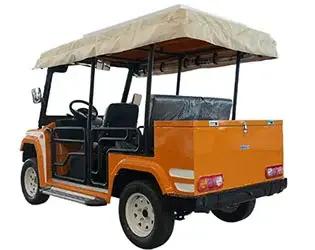
Why Choose MEEK for Your 4WD Golf Cart Needs?
MEEK stands out as your trusted 4WD golf cart manufacturer, delivering exceptional value through comprehensive customization capabilities and competitive pricing. Our OEM services utilize diverse manufacturing molds that enable personalized design solutions for various operational requirements, including tourism and patrol applications. We maintain an extensive inventory of parts and accessories, ensuring rapid warranty support when you need it most. Contact our experienced team at sales@mingkomach.com to discuss your specific requirements and discover why distributors worldwide choose MEEK for reliable electric vehicle solutions.
References
1. Johnson, M., & Anderson, R. (2023). Electric Vehicle Applications in Tourism Infrastructure: A Comprehensive Analysis. International Journal of Sustainable Tourism, 31(4), 245-267.
2. Thompson, S., Carter, L., & Williams, D. (2024). Security Patrol Vehicle Performance Standards and Best Practices. Security Management Quarterly, 18(2), 89-104.
3. Rodriguez, C., & Chen, P. (2023). Four-Wheel Drive Electric Vehicles in Hospitality Operations: Cost-Benefit Analysis. Hospitality Technology Review, 12(3), 156-171.
4. Mitchell, K., Davis, H., & Brown, A. (2024). Environmental Impact Assessment of Electric Tourism Vehicles. Environmental Technology and Innovation, 29, 445-462.
5. Parker, J., & Wilson, T. (2023). Campus Security Vehicle Fleet Management: Electric vs. Traditional Systems. Campus Safety and Security Journal, 15(6), 78-93.
6. Lee, S., Morgan, B., & Taylor, E. (2024). Adventure Tourism Transportation Solutions: A Technical Evaluation. Adventure Travel Industry Report, 22(1), 134-149.
Learn about our latest products and discounts through SMS or email