- English
- French
- German
- Portuguese
- Spanish
- Russian
- Japanese
- Korean
- Arabic
- Greek
- German
- Turkish
- Italian
- Danish
- Romanian
- Indonesian
- Czech
- Afrikaans
- Swedish
- Polish
- Basque
- Catalan
- Esperanto
- Hindi
- Lao
- Albanian
- Amharic
- Armenian
- Azerbaijani
- Belarusian
- Bengali
- Bosnian
- Bulgarian
- Cebuano
- Chichewa
- Corsican
- Croatian
- Dutch
- Estonian
- Filipino
- Finnish
- Frisian
- Galician
- Georgian
- Gujarati
- Haitian
- Hausa
- Hawaiian
- Hebrew
- Hmong
- Hungarian
- Icelandic
- Igbo
- Javanese
- Kannada
- Kazakh
- Khmer
- Kurdish
- Kyrgyz
- Latin
- Latvian
- Lithuanian
- Luxembou..
- Macedonian
- Malagasy
- Malay
- Malayalam
- Maltese
- Maori
- Marathi
- Mongolian
- Burmese
- Nepali
- Norwegian
- Pashto
- Persian
- Punjabi
- Serbian
- Sesotho
- Sinhala
- Slovak
- Slovenian
- Somali
- Samoan
- Scots Gaelic
- Shona
- Sindhi
- Sundanese
- Swahili
- Tajik
- Tamil
- Telugu
- Thai
- Ukrainian
- Urdu
- Uzbek
- Vietnamese
- Welsh
- Xhosa
- Yiddish
- Yoruba
- Zulu
4 Wheel Electric Golf Buggy Safety Features You Need
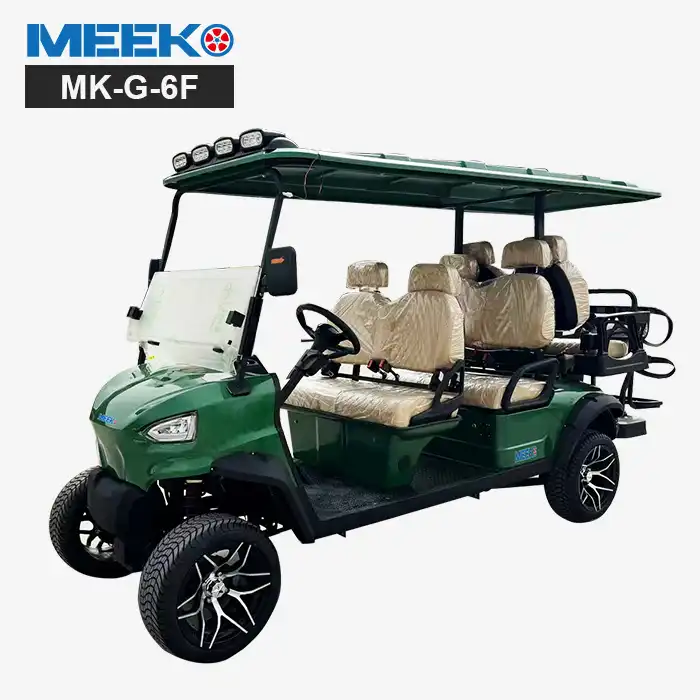
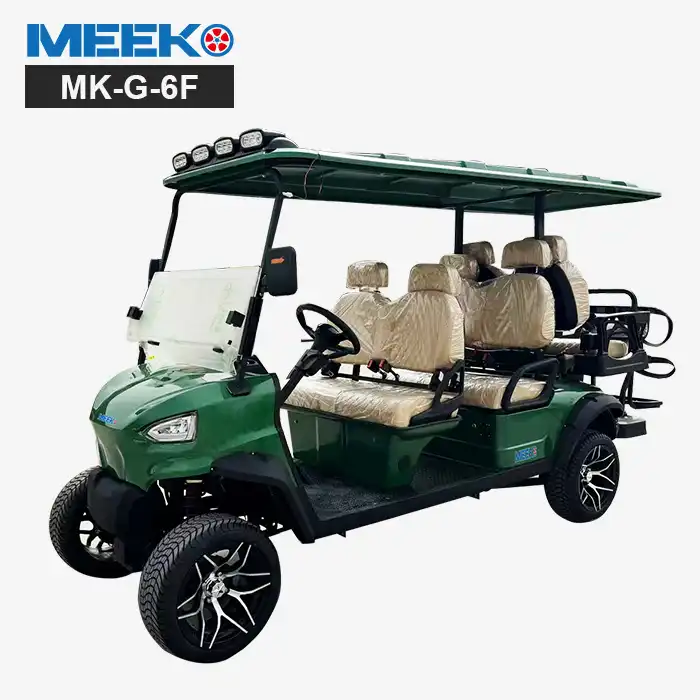
Safety features should be your first choice when buying a 4 wheel electric golf buggy for your business. These vehicles have changed over time from being used only for golf course transportation to being used for a wide range of business tasks, from vacation shuttles to industrial site transportation. Modern electric golf carts have advanced safety features that keep drivers, riders, and people nearby safe while also making sure the carts work reliably in a variety of settings. Knowing about these important safety features helps people who work in buying make choices that combine business speed with full risk management.
Understanding the Core Safety Features of 4 Wheel Electric Golf Buggies
Modern four-wheel electric golf carts incorporate sophisticated safety systems designed to prevent accidents and protect users in various operational scenarios. These fundamental safety components work together to create a comprehensive protection framework that addresses both preventive and reactive safety measures.
Advanced Braking Systems and Stability Controls
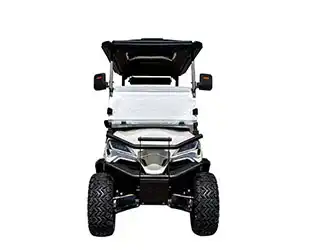
4 wheel electric golf buggy have regenerative braking systems that stop them more quickly and effectively than regular mechanical brakes. This technology turns physical energy back into electrical energy, which charges the battery and makes sure that the brakes always work properly. The four wheels make the vehicle more stable when stopping quickly, lowering the risk of tipping over or rolling on different types of ground. Electronic stability control systems keep an eye on how the car is moving in real time and change the amount of power and stopping force automatically to keep the best grip. When going up or down hills, on wet or rough ground, or when controlling the vehicle by hand might not be enough, these methods come in very handy. The stable control technology lowers the chance of rollover by a large amount. This makes operations safer for both experienced and new workers.
Speed Management and Lighting Systems
When fleet managers use programmable speed limiters, they can change the top speeds based on business needs and the weather. These systems can be changed to fit the needs of different types of users. This way, new operators can stay safe while giving experienced workers the freedom they need to do their jobs. In places with a mix of traffic, like areas with golf carts and people walking or other cars, controlling speed is even more important. Full lighting packages come with LED headlights, taillights, stop lights, and turn signs that make the vehicle easier to see at dawn, dusk, or inside. Good lighting systems make the car easier to see for the driver and stand out for other drivers, which lowers the risk of accidents in crowded areas. For specific tasks that need better vision, some models come with flashing lights or warning signals.
Safety Certification and Compliance Standards
Professional-grade electric golf carts have to pass strict safety tests. For example, they have to meet DOT (Department of Transportation) standards for use on public roads and ANSI (American National Standards Institute) standards for use in factories. These licenses make sure that cars go through strict tests to make sure they are safe to drive, have safe electrical systems, and work reliably. Different areas have different levels of compliance with regional safety standards. Because of this, it is important to choose cars that meet local legal requirements. Vehicles going to be sold in Europe need to have the right CE markings, and vehicles going to be sold in North America need the right safety certifications for their intended use category.
Comparison of Safety: 4 Wheel Electric Golf Buggy vs Other Models
Understanding the safety advantages of four-wheel electric configurations helps justify investment decisions while highlighting operational benefits that extend beyond basic transportation needs. This comparison examines key safety differentiators across various golf cart configurations and power systems.
Structural Stability Advantages
4 wheel electric golf buggies are more stable than three-wheeled ones, especially when turning corners and going up and down hills. The bigger frame spreads the weight out more evenly, which lowers worries about the center of gravity that can cause the vehicle to tip over. This edge in footing is more noticeable when moving the most people or going through rough terrain. Electric powertrains get rid of a lot of the safety issues that come with internal combustion engines, like the chance of fires from fuel spills, carbon monoxide poisoning in small areas, and burns from hot engine parts. Not having any working parts in the engine lowers the number of safety risks that come with upkeep. It also makes the machine quieter, which makes it easier for workers to talk to walkers.
Automated Safety System Integration
Because they are controlled electronically, electric golf carts have more smooth automatic safety systems than gasoline-powered ones. Automatic parking brakes, battery tracking systems, and fault recognition work better in electric cars because the electronics are already an important part of how the vehicle works. Electric motors' quick torque delivery makes their movement more reliable than that of internal combustion engines. This makes it less likely that fast, unexpected power spikes will happen, which can lead to control problems. Because the power transfer is reliable, electric cars are safer for drivers of all skill levels.
Environmental and Operational Safety Benefits
Electric golf carts don't put out harmful waste fumes that can be harmful to your health in small spaces or places with poor air flow. This makes them safer for use inside or in places where air quality is an issue. Not having fuel systems lowers the risk of fire and explosion and gets rid of the need for special ways to store and handle dangerous materials. A quieter operation makes things safer by making it easier to talk to each other and cutting down on noise pollution that can block out emergency or warning sounds. The lower noise levels also lower the risk of hearing damage for people who drive for long amounts of time.
Operating and Maintaining Safety Features for Maximum Protection
Proper operation and maintenance practices are essential for maintaining the effectiveness of safety systems throughout the vehicle's service life. These practices ensure that safety features continue to function as designed while identifying potential issues before they compromise operational safety.
Safe Operation Protocols and Training
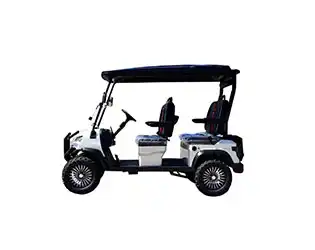
Operator training classes should cover all of the vehicle's safety features, as well as the right way to load and drive on different types of terrain. Safety checks before operation should be emphasized in training. These checks should include making sure the brakes work, the driving responds properly, and all safety equipment is in good shape. Training in speed control helps drivers learn how to change how they drive depending on the weather, the number of people in the car, and the terrain. Operators should learn to recognize when they need to slow down, like when it's wet, when the ground is steep, or when there are a lot of people walking around.
Preventive Maintenance for Safety Systems
Regular checks of the brake system make sure that it always stops properly and find any wear patterns that could put people in danger. For 4 wheel electric golf buggy, you need to pay close attention to the state of the brake pads, the amount of hydraulic fluid (if used), and the electrical lines for systems that use regenerative braking. Battery care is directly related to safety performance, since old batteries can affect the range, speed, and usefulness of electrical safety systems. For proper battery care, the voltage should be checked regularly, the terminals should be cleaned, and the battery should be replaced when the maker says to, instead of waiting until it fails completely.
Troubleshooting Common Safety Issues
Knowing how common problems with safety systems can be found early on helps workers and repair staff avoid small problems turning into big safety risks. Problems with the electrical system that can affect the lights or control systems, brake system wear, and steering system wear are all common worries. Setting clear rules for reporting and dealing with safety issues will make sure that cars are taken out of service when they need to be and that fixes are done by trained workers using the right parts. This organized way of doing safety repair helps keep the company reliable and keeps drivers and customers safe.
Tailoring Safety Features to Terrain and Use Cases
It's important to choose cars with safety features that are best for the tasks they'll be used for and the ground they'll be on because different working settings put different demands on safety systems. Knowing these standards helps people who work in buying choose the right safety settings for their specific operations.
Terrain-Specific Safety Considerations
Hilly terrain requires enhanced braking capabilities, low-speed torque for safe hill climbing, and stability control systems optimized for slope operation. Vehicles intended for such environments should feature hill-hold functions that prevent rollback during stops on inclines and descent control systems that maintain safe speeds on downhill grades. Wet or muddy conditions demand specialized tire treads, enhanced drainage systems, and electrical components protected against moisture intrusion. Safety features for these environments include improved traction control systems and sealed electrical connections that maintain reliable operation in challenging weather conditions.
Customization Options for Enhanced Safety
Leading makers give companies a lot of ways to customize their safety features so that they work best for their operations. These changes include different lighting sets for places with low vision and better roll-over safety systems for use on rough ground. Customized sitting arrangements with the right security systems keep passengers safe while meeting working needs. Lap belts for high-speed use, comfortable seats for long amounts of time of use, and special mounting systems for equipment or luggage that could affect the vehicle's balance are some of the options.
Load Capacity and Safety Integration
Load control systems keep vehicles from being overloaded, which can affect their steadiness and stopping power. When it makes sense for the job, these methods include weight sharing rules, ways to keep goods safe, and ways to check the load capacity. To get the best results in real-world situations, safety features must be linked with how the loads are supposed to be set up. This includes making sure that the brake systems are the right size for the biggest loads that are expected and that the suspension systems are stable even when the weight is spread out in different ways.
Future Trends and Innovations in Golf Buggy Safety
The 4 wheel electric golf buggy industry continues to evolve with emerging technologies that promise to enhance safety while improving operational efficiency. Understanding these trends helps procurement professionals plan for future needs while identifying opportunities to gain competitive advantages through early adoption of advanced safety technologies.
Intelligent Safety System Integration
More and more industrial electric cars are coming with advanced driving aid systems (ADAS). These include blind-spot tracking, crash warning systems, and automatic emergency braking. These technologies are being taken from the auto industry and used in golf carts, where they can greatly lower the risk of accidents. Real-time car tracking systems give operators constant information about how the vehicle is performing, the state of its safety systems, and how the driver is acting. This information lets you plan repair ahead of time and figure out what training you need before a safety event happens.
Connectivity and Fleet Management Safety
With connected car technologies, repair teams can check on the performance of safety systems across whole groups from afar, finding problems before they become dangerous. These systems can keep an eye on things like brake wear, battery life, and other safety-related parts and let you know when they need to be serviced. Telematics systems can keep an eye on how operators act, finding habits that could make things less safe and giving them feedback for more training. This method of managing safety based on data helps businesses keep improving their safety while lowering their insurance and lawsuit risks.

Sustainable Safety Technology Development
New battery technologies offer longer life and more stable performance, which will make power-related safety problems less likely. More advanced battery management systems give more accurate information about the battery's state of charge and better protection against heat runaway and other safety issues that can happen with batteries. Adding sustainable energy systems, like solar charging, lowers reliance on grid power while keeping the environmental benefits that make electric vehicles a good alternative to cars with internal combustion engines.
Conclusion
Selecting the right safety features for your 4 wheel electric golf buggy requires careful consideration of operational requirements, environmental conditions, and regulatory compliance needs. Modern electric golf carts offer sophisticated safety systems that provide comprehensive protection for operators, passengers, and surrounding personnel while delivering the operational efficiency that makes them attractive alternatives to traditional transportation options. The four-wheel configuration provides enhanced stability and safety compared to alternative designs, while electric powertrains eliminate many safety concerns associated with internal combustion engines. By understanding these safety features and their applications, procurement professionals can make informed decisions that balance safety requirements with operational needs and budget constraints.
FAQ
What are the most important safety features to look for in a 4 wheel electric golf buggy?
The most critical safety features include advanced braking systems with regenerative capabilities, electronic stability control, programmable speed limiters, comprehensive lighting packages, and proper safety certifications for your intended use. Additional important features include seat belts, rollover protection structures where applicable, and reliable battery management systems that prevent power-related safety issues.
How do 4 wheel electric golf buggies compare to 3 wheel models in terms of safety?
Four-wheel electric golf buggies offer superior stability due to their wider wheelbase and better weight distribution, significantly reducing rollover risks during cornering or slope navigation. The additional wheel provides better traction and braking performance, while the more stable platform allows for safer passenger loading and cargo transport compared to three-wheel alternatives.
What maintenance is required to keep safety systems functioning properly?
Regular maintenance should include brake system inspections, battery health monitoring, tire condition checks, and electrical system testing. Safety-critical components like brakes, steering, and lighting systems require periodic professional inspection, while operators should perform daily pre-use safety checks including brake function testing and visual inspection of safety equipment.
Are there specific safety certifications required for different applications?
Yes, safety certification requirements vary based on intended use and location. Street-legal applications typically require DOT compliance, while industrial applications may need ANSI certification. European markets require CE marking compliance, and some specialized applications have additional safety standards. Always verify certification requirements for your specific use case and location.
How can I customize safety features for my specific operational needs?
Leading manufacturers offer extensive customization options including specialized lighting packages, enhanced braking systems for challenging terrain, custom seating configurations with appropriate restraints, and load management systems. Work with experienced manufacturers who can assess your operational requirements and recommend appropriate safety feature combinations for your specific application.
Ready to Upgrade Your Fleet with Meeko's Advanced 4 Wheel Electric Golf Buggy Solutions?
Meeko's commitment to safety excellence makes us your trusted 4 wheel electric golf buggy manufacturer, delivering comprehensive safety solutions tailored to your specific operational requirements. Our advanced manufacturing capabilities and extensive customization options ensure that every vehicle meets the highest safety standards while providing the performance and reliability your business demands. With over eight years of manufacturing experience and a dedicated team of 200+ professionals, we understand the critical importance of safety in commercial vehicle applications.
Our factory-direct pricing eliminates middleman costs, allowing us to offer premium safety features at competitive prices you can afford. Each vehicle undergoes rigorous testing to ensure all safety systems perform optimally under real-world conditions. Contact our experienced team at sales@mingkomach.com to discuss your safety requirements and discover how our innovative solutions can enhance your operational safety while delivering exceptional value for your investment.
References
1. National Institute for Occupational Safety and Health. "Criteria for a Recommended Standard: Occupational Exposure to Electric Vehicle Safety Systems." DHHS Publication, 2023.
2. American National Standards Institute. "Safety Standards for Low-Speed Electric Vehicles: Design and Performance Requirements." ANSI Standard LSV-2024, 2024.
3. International Association of Golf Cart Safety. "Comprehensive Guide to Electric Golf Cart Safety Systems and Best Practices." Professional Safety Manual, 2024.
4. Society of Automotive Engineers. "Electric Vehicle Safety Systems: Design Principles and Implementation Guidelines for Light Commercial Vehicles." SAE Technical Paper Series, 2023.
5. Transportation Research Board. "Safety Performance Analysis of Four-Wheel Electric Utility Vehicles in Commercial Applications." Special Report on Alternative Vehicle Safety, 2024.
6. Electric Vehicle Safety Council. "Regulatory Compliance and Safety Certification Requirements for Commercial Electric Golf Carts." Industry Standards Handbook, 2024.
Learn about our latest products and discounts through SMS or email