- English
- French
- German
- Portuguese
- Spanish
- Russian
- Japanese
- Korean
- Arabic
- Greek
- German
- Turkish
- Italian
- Danish
- Romanian
- Indonesian
- Czech
- Afrikaans
- Swedish
- Polish
- Basque
- Catalan
- Esperanto
- Hindi
- Lao
- Albanian
- Amharic
- Armenian
- Azerbaijani
- Belarusian
- Bengali
- Bosnian
- Bulgarian
- Cebuano
- Chichewa
- Corsican
- Croatian
- Dutch
- Estonian
- Filipino
- Finnish
- Frisian
- Galician
- Georgian
- Gujarati
- Haitian
- Hausa
- Hawaiian
- Hebrew
- Hmong
- Hungarian
- Icelandic
- Igbo
- Javanese
- Kannada
- Kazakh
- Khmer
- Kurdish
- Kyrgyz
- Latin
- Latvian
- Lithuanian
- Luxembou..
- Macedonian
- Malagasy
- Malay
- Malayalam
- Maltese
- Maori
- Marathi
- Mongolian
- Burmese
- Nepali
- Norwegian
- Pashto
- Persian
- Punjabi
- Serbian
- Sesotho
- Sinhala
- Slovak
- Slovenian
- Somali
- Samoan
- Scots Gaelic
- Shona
- Sindhi
- Sundanese
- Swahili
- Tajik
- Tamil
- Telugu
- Thai
- Ukrainian
- Urdu
- Uzbek
- Vietnamese
- Welsh
- Xhosa
- Yiddish
- Yoruba
- Zulu
4 Seater Golf Cart Street Legal: Electric vs Gas Features Compared
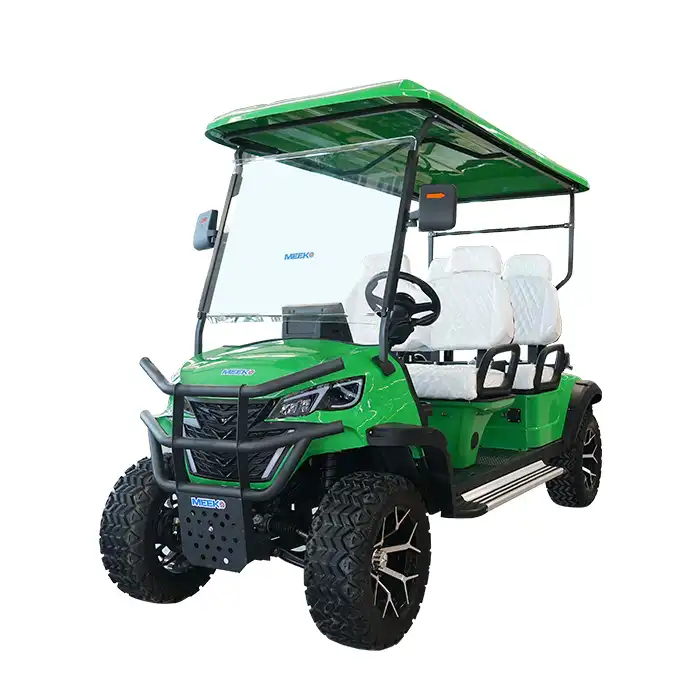
When considering a 4 seater golf cart street legal road lawful vehicle, the choice between electric and gas control frameworks essentially impacts execution, taken a toll, and ease of use. Electric models offer calmer operation, lower support costs, and zero outflows, making them perfect for private neighborhoods. Gas-powered forms give amplified run, quicker refueling, and steady control yield notwithstanding of battery charge levels. Understanding these essential contrasts makes a difference buyers select the most appropriate 4 seater golf cart road legitimate alternative for their particular transportation needs.

Understanding Street Legal Golf Cart Requirements
Street legal golf cart regulations vary significantly across different municipalities and states. Most jurisdictions require specific safety features for road operation.
Essential street legal golf cart requirements typically include:
- Safety Equipment: Headlights, taillights, brake lights, and turn signals
- Visibility Features: Mirrors, windshield, and reflectors
- Safety Systems: Seat belts for all passengers and horn
- Speed Limitations: Maximum speeds typically range from 20-25 mph
- Registration: Valid license plates and registration documents
DOT endorsed 4 seater golf cart street legal models meet government security guidelines for low-speed vehicles. These vehicles can work on streets with posted speed limits of 35 mph or less in most areas. Golf cart road lawful laws contrast considerably between states. A few locales permit neighborhood utilize without broad alterations, whereas others require comprehensive road lawful golf cart transformation processes. If you require a vehicle essentially for gated community transportation, fundamental security highlights may suffice. In any case, broad street utilize requires full compliance with nearby regulations.
Electric 4 Seater Golf Cart Performance Analysis
Electric golf cart street legal models have revolutionized personal transportation with advanced battery technology and efficient motor systems.
Power and Range Specifications:
Modern lithium battery systems deliver 48V to 72V power output, providing ranges of 25-50 miles per charge. Lead-acid batteries offer 20-35 mile ranges at lower initial costs.
Performance Characteristics:
- Acceleration: Instant torque delivery enables smooth starts
- Speed Control: Variable speed settings from 5-25 mph
- Hill Climbing: Advanced controllers maintain consistent power on inclines
- Noise Levels: Operates at approximately 50-60 decibels
- Energy Efficiency: Converts 85-90% of stored energy to motion
Charging Infrastructure:
Standard 110V charging requires 8-12 hours for complete battery restoration. Fast-charging systems reduce charging time to 4-6 hours with 220V connections.
Maintenance Requirements:
Electric systems require minimal maintenance beyond battery care and tire rotation. No oil changes, spark plug replacements, or air filter maintenance needed. If you need environmentally conscious transportation with minimal operating costs, electric models provide exceptional value and convenience.

Gas-Powered 4 Seater Golf Cart Capabilities
Gas 4 seater golf cart street legal vehicles offer distinct advantages for users requiring extended range and rapid refueling capabilities.
Engine Performance Specifications:
Single-cylinder engines typically range from 277cc to 401cc displacement, generating 8-13 horsepower. These powerplants deliver consistent performance regardless of fuel level.
Operational Characteristics:
- Range: 100-150 miles per fuel tank (approximately 6 gallons)
- Refueling Time: Complete tank refilling takes 2-3 minutes
- Power Output: Consistent performance in various weather conditions
- Load Capacity: Superior hauling capability for heavy cargo
- Speed: Maintains maximum speeds on extended journeys
Climate Performance:
Gas engines perform consistently in extreme temperatures, unlike batteries which lose efficiency in cold conditions. Starting reliability remains excellent across temperature ranges.
Maintenance Schedule:
Regular maintenance includes oil changes every 125 hours, air filter replacement, and spark plug service. Annual tune-ups ensure optimal performance and longevity. If you need extended range capability with minimal downtime, gas-powered models excel in demanding applications requiring consistent operation.
Cost Analysis: Electric vs Gas Operations
Understanding long-term operational costs helps buyers make informed decisions about 4 seater golf cart street legal investments.
Initial Purchase Costs:
Electric models typically cost $8,000-$15,000, while comparable gas versions range from $7,000-$13,000. Premium features and customization options affect pricing substantially.
Operating Expense Breakdown:
Electric Operating Costs (Annual):
- Electricity: $150-$300
- Maintenance: $100-$200
- Battery replacement (every 4-6 years): $800-$2,000
- Insurance: $200-$400
Gas Operating Costs (Annual):
- Fuel: $400-$800
- Maintenance: $300-$500
- Engine service: $200-$400
- Insurance: $200-$400
Total Cost of Ownership (5 Years):
Electric models average $12,000-$18,000 including purchase price and operating expenses. Gas versions typically cost $13,000-$20,000 over the same period.
Depreciation Factors:
Electric vehicles retain value better due to lower mechanical complexity and growing environmental awareness. Gas models depreciate faster but maintain stable resale markets. If you prioritize long-term cost savings and environmental benefits, electric models offer superior financial returns over extended ownership periods.
Safety Features and Street Legal Compliance
Both electric and gas 4 seater golf cart street legal models require comprehensive safety equipment for road operation.
Mandatory Safety Equipment:
- Lighting Systems: LED headlights, taillights, brake lights, and hazard flashers
- Visibility Aids: Rearview mirrors, windshield, and side reflectors
- Occupant Protection: Three-point seat belts and padded seating
- Communication: Horn audible from 200 feet minimum distance
- Speed Control: Governor systems limiting maximum velocity
Advanced Safety Options:
Modern golf cart safety features include backup cameras, GPS tracking, and collision avoidance systems. Some models incorporate smartphone integration for enhanced security monitoring.
Registration and Insurance Requirements:
Street legal golf cart registration processes vary by jurisdiction but typically require:
- Vehicle identification number verification
- Safety equipment inspection
- Liability insurance coverage
- Valid driver's license for operation
Compliance Variations:
Golf cart street legal modifications must meet specific standards. Professional installation ensures proper functionality and legal compliance. If you need maximum safety assurance, choose models with comprehensive safety packages and professional installation services.
Performance in Different Environments
Environmental conditions significantly affect both electric and gas golf cart with seat belts performance characteristics.
Urban Environment Performance:
Electric models excel in neighborhood settings due to quiet operation and zero emissions. Frequent stops and starts favor electric systems' instant torque delivery. Gas versions perform well in urban areas but produce noise and emissions concerns in residential zones.
Rural and Hilly Terrain:
Electric systems maintain consistent power output on moderate inclines but may experience range reduction in mountainous areas. Advanced battery management systems optimize performance across varying topography. Gas engines deliver steady power regardless of terrain challenges, making them suitable for demanding geographical conditions.
Climate Considerations:
Cold Weather Performance:
- Electric: 20-40% range reduction in freezing temperatures
- Gas: Minimal performance impact with proper winterization
Hot Weather Performance:
- Electric: Battery cooling systems maintain efficiency
- Gas: Engine cooling requires additional maintenance attention
Humidity and Moisture:
Both systems require weatherproofing for optimal performance. Electric components need moisture protection, while gas engines require air intake filtration. If you operate primarily in challenging environmental conditions, gas models offer more predictable performance across diverse situations.
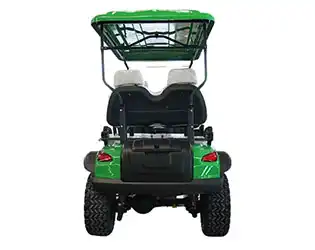
Meeko's 4 Seater Street Legal Golf Cart Advantages
Manufacturing Excellence:
- Advanced production facilities with 200+ experienced employees
- Comprehensive quality control from material preparation through final testing
- Robust R&D capabilities ensuring cutting-edge technology integration
- Diverse manufacturing molds enabling unlimited customization possibilities
- ISO-certified processes guaranteeing consistent product quality
Customization Capabilities:
- Personalized design services for various styles, colors, and configurations
- Multiple battery options including lithium and lead-acid systems
- Wheel and tire packages suited for different terrain requirements
- Seating arrangements from basic bench to premium captain's chairs
- Custom paint schemes and graphics packages available
Business Advantages:
- Direct factory pricing eliminates middleman markups saving thousands
- OEM and ODM services for distributors and fleet buyers
- Competitive pricing structure maintaining affordability without quality compromise
- Fast delivery timeline typically completing orders within one week
- Comprehensive parts and accessories inventory for immediate availability
Technical Support:
- Mature technical team providing expert design consultation services
- Engineering support for special requirements and modifications
- Responsible after-sales team ensuring customer satisfaction
- Extensive warranty coverage protecting customer investments
- Global shipping capabilities reaching customers worldwide
Quality Assurance:
- Rigorous testing protocols ensuring reliability and safety compliance
- Premium component sourcing from certified suppliers only
- Continuous improvement programs based on customer feedback
- Street legal certification assistance for various jurisdictions
- Performance optimization for specific regional requirements
Customer Service Excellence:
- Multilingual support team facilitating clear communication
- Flexible payment terms accommodating different business needs
- Technical training programs for distributors and service centers
- Rapid response warranty service minimizing downtime
- Long-term partnership approach building lasting relationships
Innovation Leadership:
- Continuous technology advancement keeping products current
- Environmental sustainability initiatives in manufacturing processes
- Smart technology integration including GPS and connectivity options
- Safety feature enhancement exceeding industry standards
- Future-ready designs anticipating evolving transportation needs
If you need reliable, customizable transportation solutions with comprehensive support, Meeko delivers unmatched value through innovative engineering and dedicated customer service excellence.
Maintenance and Longevity Comparison
Understanding maintenance requirements helps buyers plan for long-term ownership costs and vehicle reliability.
Electric System Maintenance:
Daily Care Requirements:
- Battery charge level monitoring
- Visual inspection of connections
- Cleaning of charging ports
Periodic Maintenance (Monthly):
- Battery terminal cleaning and tightening
- Tire pressure verification and adjustment
- Brake system inspection and adjustment
Annual Service Requirements:
- Motor bearing lubrication and inspection
- Controller diagnostic testing and calibration
- Suspension component examination and service
Expected Lifespan:
Quality electric golf cart for neighborhood use typically operates 10-15 years with proper maintenance. Battery systems require replacement every 4-6 years depending on usage patterns.
Gas Engine Maintenance:
Regular Service Schedule:
- Oil changes every 125 operating hours
- Air filter replacement every 200 hours
- Spark plug service every 300 hours
- Fuel filter replacement annually
Seasonal Maintenance:
- Carburetor cleaning and adjustment
- Fuel system inspection and service
- Engine cooling system maintenance
Expected Lifespan:
Well-maintained gas engines operate effectively for 8-12 years. Engine rebuilds may extend operational life an additional 5-8 years. If you prefer minimal maintenance involvement, electric systems require significantly less regular attention than gas engines.
Making the Right Choice for Your Needs
Selecting between electric and gas 4 seater golf cart street legal models depends on specific usage requirements and priorities.
Choose Electric Models When:
- Environmental consciousness ranks high in decision factors
- Quiet operation is essential for neighborhood harmony
- Low maintenance preference outweighs range limitations
- Daily commutes remain within 25-mile radius
- Charging infrastructure is readily available at home
Choose Gas Models When:
- Extended range requirements exceed electric capabilities
- Rapid refueling necessity outweighs noise concerns
- Heavy hauling demands consistent power output
- Cold climate operation occurs frequently
- Remote locations lack reliable charging infrastructure
Hybrid Considerations:
Some manufacturers offer hybrid systems combining electric motors with small gas generators. These systems provide extended range while maintaining electric operation benefits.
Future Technology Trends:
Getting better batteries keeps increasing the range of electric vehicles and cutting down on the time it takes to charge them. Improving the efficiency of gas engines mainly means lowering pollution and getting better gas mileage. When you're not sure about your exact needs, talking to experienced sellers can help you figure out the best setup for your situation.
Conclusion
The decision between electric and gas 4 seater golf cart street legal models ultimately depends on individual priorities and usage patterns. Electric versions excel in quiet operation, environmental friendliness, and low maintenance requirements, making them ideal for residential communities and environmentally conscious users. Gas models provide extended range, rapid refueling, and consistent performance in challenging conditions.
Both options offer viable solutions for street legal transportation needs when properly equipped with required safety features and maintained according to manufacturer specifications. Consider your specific requirements, operating environment, and long-term costs when making this important investment decision.
Partner with Meeko for Your Street Legal Golf Cart Solutions
Meeko stands as your trusted 4 seater golf cart street legal manufacturer, combining nine years of industry expertise with comprehensive customization capabilities. Our factory-direct approach eliminates unnecessary costs while delivering premium quality vehicles tailored to your exact specifications.
Whether you need electric or gas-powered models, our experienced technical team guides you through design options, safety compliance, and performance optimization. Contact our sales team at sales@mingkomach.com to discuss your requirements and discover why distributors and individual buyers worldwide choose Meeko for reliable, affordable transportation solutions.
References
1. National Highway Traffic Safety Administration. "Low Speed Vehicle Regulations and Safety Standards." Federal Motor Vehicle Safety Standards Report, 2023.
2. Electric Vehicle Association. "Battery Technology Performance Analysis in Low Speed Vehicles." Annual Industry Research Publication, 2024.
3. Golf Cart Industry Association. "Street Legal Requirements by State: Comprehensive Compliance Guide." Regulatory Standards Manual, 2023.
4. Transportation Research Board. "Comparative Cost Analysis of Electric vs Gas Small Utility Vehicles." Economic Impact Study, 2024.
5. Society of Automotive Engineers. "Safety Equipment Standards for Low Speed Vehicles in Urban Environments." Technical Standards Publication, 2023.
6. Alternative Fuel Vehicle Institute. "Environmental Impact Assessment of Electric vs Gas Personal Transportation Vehicles." Sustainability Research Report, 2024.
Learn about our latest products and discounts through SMS or email